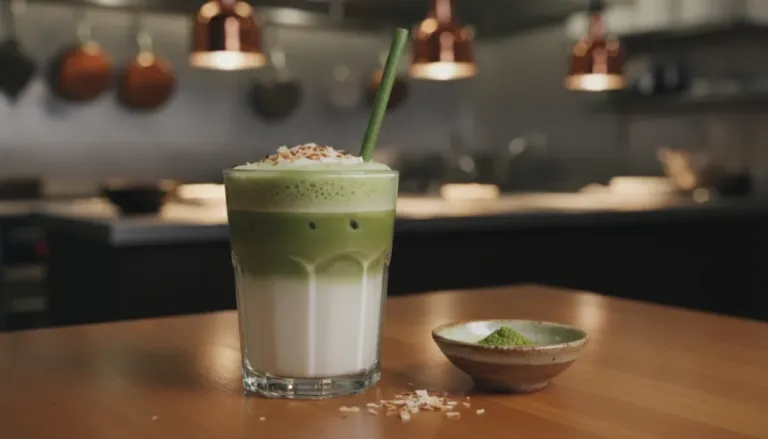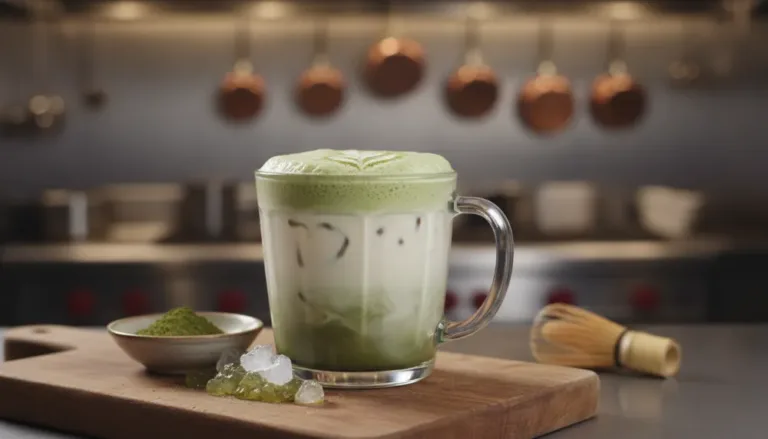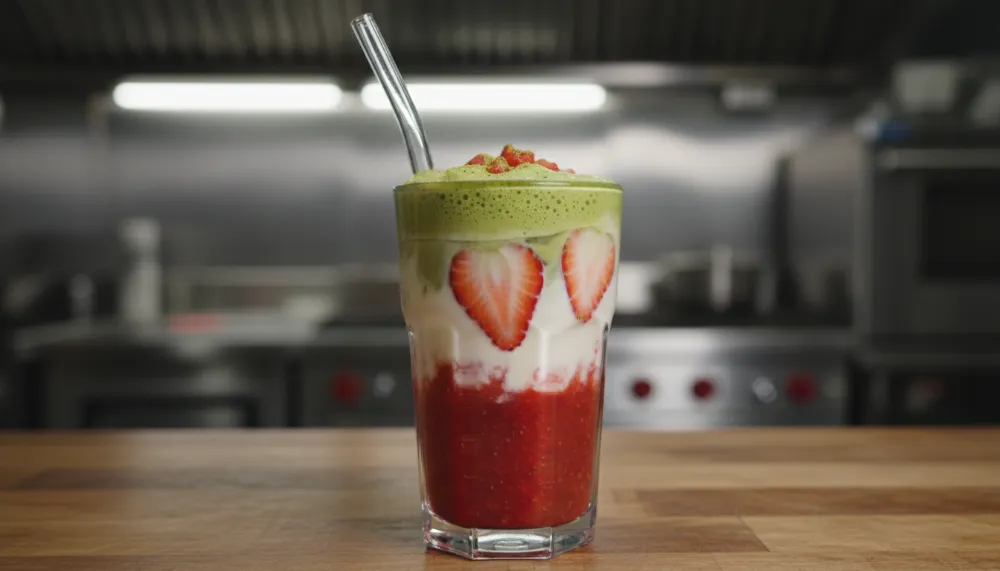
The Strawberry Matcha Latte is more than just a viral sensation; it is a masterclass in balancing earthy umami with vibrant fruit acidity. This layered masterpiece combines ceremonial-grade green tea with house-made strawberry compote for the ultimate refreshing pick-me-up that tastes even better than it looks.
Pro Layered Strawberry Matcha Latte
Ingredients
- 1 1 cup fresh strawberries, hulled
- 2 2 tablespoons honey or maple syrup
- 3 1.5 teaspoons ceremonial grade matcha powder
- 4 1/4 cup hot water (not boiling, approx 175°F)
- 5 1 cup milk of choice (Oat or Whole milk recommended)
- 6 1 cup ice cubes
Instructions
- 1 Blend or muddle the strawberries and sweetener until a thick puree forms.
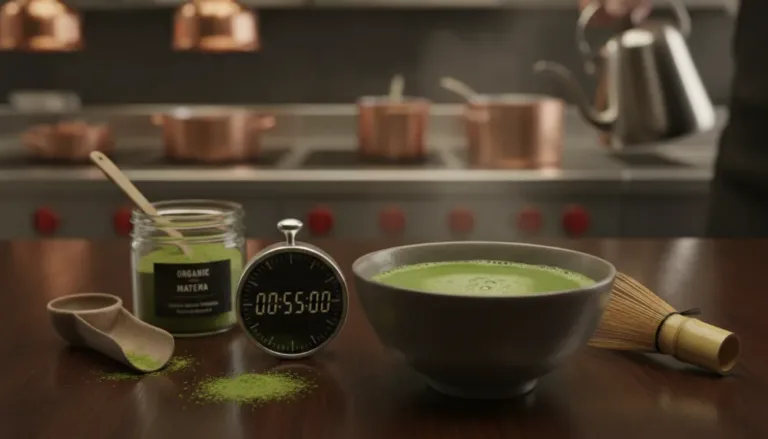
- 2 Sift the matcha powder into a bowl, add hot water, and whisk in a zig-zag motion until frothy.
- 3 Pour the strawberry puree into the bottom of a tall glass.
- 4 Fill the glass with ice cubes carefully to maintain the strawberry layer.
- 5 Pour the milk over the ice, then slowly top with the whisked matcha for a tiered effect.
The Fascinating History of the Strawberry Matcha Latte
While matcha itself boasts a history spanning nearly a millennium, the Strawberry Matcha Latte is a distinctly modern creation. This beverage represents a fusion of traditional Japanese tea culture and contemporary Western cafe aesthetics. The specific layered version that we see today is widely credited to the innovators at Boba Guys, a specialty tea company founded in San Francisco in 2011. The founders, Andrew Chau and Bin Chen, were inspired by the flavor profiles of Japanese strawberry and green tea chocolates, which are a staple in Asian convenience stores.
They experimented with using real strawberry puree rather than artificial syrups, finding that the acidity of the berries perfectly cut through the grassiness of high-quality matcha. By layering the ingredients, they created a visual spectacle that became an instant hit in the early days of Instagram culture. Since then, the drink has traveled from San Francisco to Tokyo, Seoul, and London, evolving into a global phenomenon that signals a new era of tea consumption where texture and visual appeal are as important as the tea itself.
Nutritional Deep Dive: More Than Just a Pretty Drink
Beyond its stunning appearance, the Strawberry Matcha Latte offers a robust nutritional profile. A standard 16 oz serving made with whole milk and natural sweeteners typically contains between 180 and 260 calories. However, the true value lies in the micronutrients and antioxidants hidden within the layers. Strawberries provide a significant boost of Vitamin C, which is essential for immune health and collagen production. When you use fresh berries, you are also consuming beneficial fiber and polyphenols.
The matcha component is where the real power lies. Matcha is unique because you consume the entire leaf, meaning you receive 100% of the nutrients. This includes high concentrations of EGCG (epigallocatechin gallate), a potent catechin that has been linked to improved metabolic health and anti-inflammatory properties. Furthermore, the presence of L-Theanine, an amino acid found almost exclusively in tea, works in tandem with the caffeine to provide a “calm alertness.” This prevents the jittery “crash” often associated with coffee, making it the perfect beverage for sustained focus.
Essential Tools for Barista-Quality Results
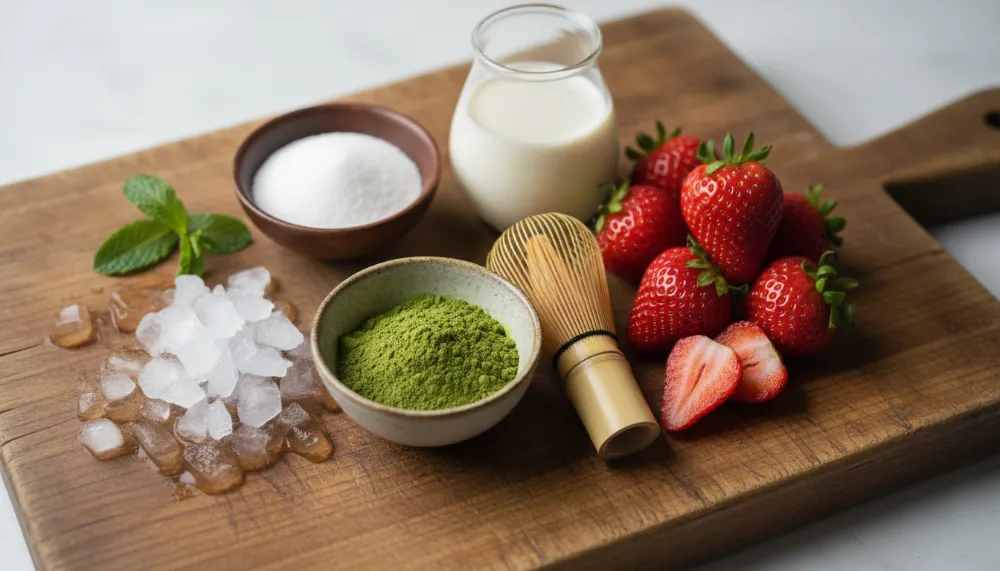
To achieve the perfect consistency and layering at home, having the right equipment is non-negotiable. Professional results require more than just a spoon and a glass. Here are our top recommendations for making the best Strawberry Matcha Latte:
- Ninja BN751 Professional Plus DUO Blender: Check Price on Amazon. This is essential for creating a perfectly smooth strawberry puree without any large chunks that might clog your straw. The 1000W motor ensures the seeds are minimized and the texture is velvet-like.
- Cuisinart 8 Cup Food Processor: Check Price on Amazon. If you prefer a more “rustic” puree with slight texture, this food processor allows for precise pulsing. It is also a meal prep essential for larger batches of strawberry compote.
- Rubbermaid Brilliance Glass Storage: Check Price on Amazon. Once you make your strawberry base, store it in these leak-proof containers. They are perfect for keeping your fruit fresh and preventing oxidation.
- FoodSaver Vacuum Sealer: Check Price on Amazon. If you find strawberries on sale, use this to freeze them at peak ripeness. Vacuum-sealed berries retain their flavor much better than those in standard freezer bags.
- Cosori 9-in-1 TurboBlaze Air Fryer: Check Price on Amazon. While not for the drink itself, this is perfect for roasting some chickpeas or snacks to enjoy alongside your latte!
The Art of Layering: How to Get That Perfect Gradient
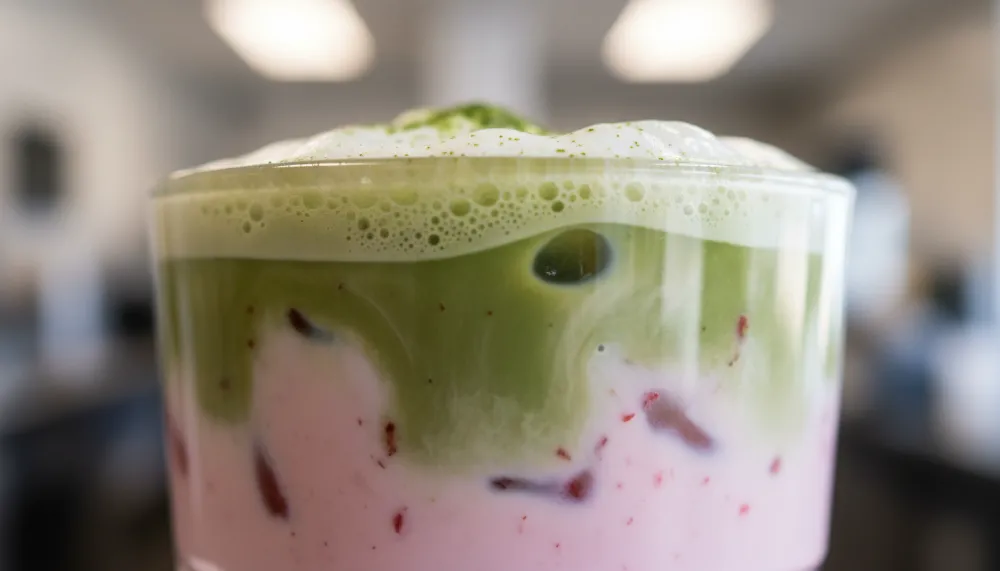
The most common complaint when making this drink at home is that the layers immediately mix, resulting in a murky brown-green liquid. The secret to professional layering is physics, specifically, density. Your bottom layer (the strawberry puree) must be the densest. This is achieved by adding a sweetener like honey or maple syrup to the berries. The sugar content increases the weight of the liquid, helping it stay at the bottom.
The middle layer of milk should be poured slowly over a glass full of ice. The ice acts as a buffer, breaking the fall of the liquid and preventing it from disturbing the strawberry base. Finally, the matcha layer should be whisked thoroughly so it is light and airy. When you pour the matcha, do it over the back of a spoon or directly onto an ice cube. This further diffuses the liquid, allowing it to float gracefully on top of the milk. If you follow these steps, you will achieve those crisp, distinct lines that make this drink so famous.
Ceremonial vs. Culinary Matcha: Which One Should You Buy?
If you want that vibrant, neon-green color and a smooth, non-bitter taste, you must use Ceremonial Grade Matcha. Culinary grade is intended for baking and has a much stronger, more astringent flavor and a brownish-green hue. Ceremonial grade is made from the youngest tea leaves, which are stone-ground into a fine powder. It has a naturally sweet, creamy finish that complements the strawberries beautifully without requiring excessive sugar.
Professional Flavor Variations to Try
Once you have mastered the basic recipe, you can begin to experiment with variations used in high-end specialty cafes. Here are a few ways to elevate your drink:
- Strawberry Matcha Cold Foam: Instead of layering the matcha, create a cold foam. Froth some heavy cream, a splash of milk, and a teaspoon of matcha powder until it reaches a soft-peak consistency. Dollop this on top of your strawberry milk for a decadent, cloud-like experience.
- The Botanical Infusion: Add a single drop of food-grade rose water or a half-teaspoon of lavender syrup to the strawberry puree. These floral notes bridge the gap between the tart fruit and the earthy tea, creating a complex, sophisticated flavor profile.
- The “Umami Sharpener”: Add a tiny pinch of fine sea salt to the strawberry puree. Salt is a flavor enhancer that suppresses bitterness and amplifies sweetness, making the matcha taste even smoother and the berries pop with flavor.
- Texture Play: Add a tablespoon of small sago pearls or white peach jelly to the bottom of the glass. This provides a chewy contrast to the creamy latte, a technique often used in high-end Asian tea shops.
Frequently Asked Questions
Can I use frozen strawberries?
Yes, frozen strawberries work perfectly for the puree. In fact, if you blend them while slightly frozen, you get a thicker, chillier base that helps keep the layers separated longer. Just ensure they are fully blended to avoid large chunks that might make the drink difficult to sip.
Why is my matcha clumpy?
Matcha is highly electrostatic, meaning the particles naturally want to stick together. Always sift your matcha powder through a fine-mesh strainer before adding water. Additionally, use a bamboo whisk (chasen) or a high-speed electric frother to ensure every particle is hydrated. Never use boiling water, as it will scorch the tea and make it taste bitter.
What is the best milk for this latte?
For the best visual and flavor results, Oat milk is the top choice. It has a natural sweetness and a creamy texture that mimics dairy without the heavy aftertaste. If you prefer dairy, whole milk provides the best density for layering. Soy milk is also a great option as it has enough protein to foam well if you are making a hot version of this drink.