Experience the perfect fusion of earthy Japanese green tea and creamy tropical goodness with this refreshing Coconut Matcha Latte. This vibrant beverage offers a clean energy boost and a velvety texture that satisfies both the palate and the soul.
Creamy Coconut Matcha Latte
Ingredients
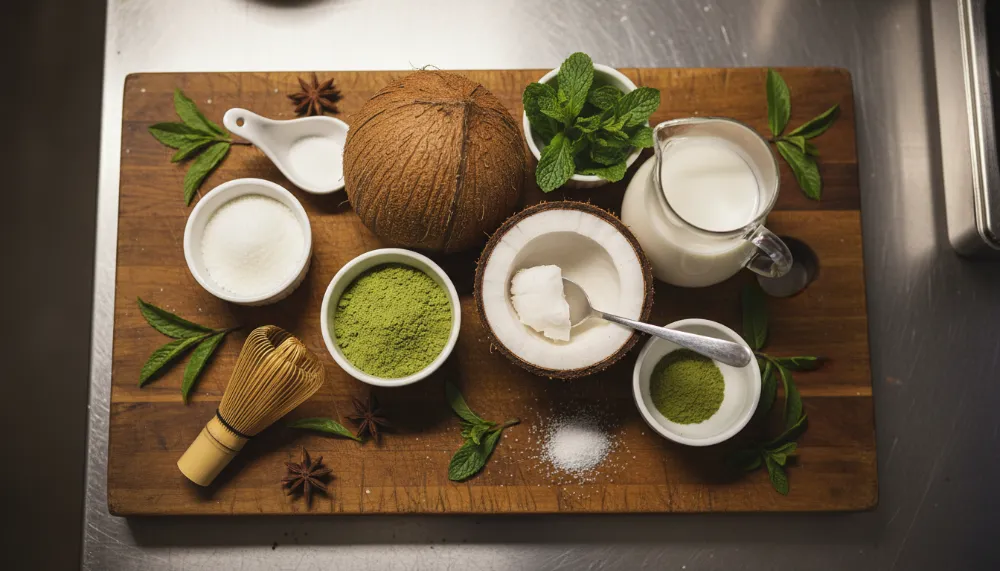
- 1 1.5 teaspoons high-quality ceremonial grade matcha powder
- 2 2 ounces hot water (approximately 175°F or 80°C)
- 3 8 ounces unsweetened coconut milk (carton or light canned)
- 4 1 tablespoon maple syrup or honey (optional)
- 5 1 cup ice cubes (for the iced version)
- 6 1/4 teaspoon vanilla extract
Instructions
- 1 Sift the matcha powder into a small bowl to remove any clumps.
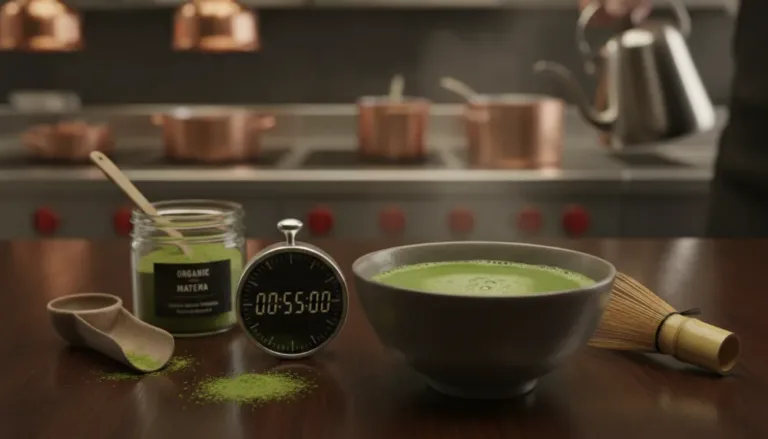
- 2 Add the hot water and whisk vigorously in a ‘W’ motion until a thick froth forms on the surface.
- 3 In a separate glass, stir the coconut milk, vanilla extract, and sweetener together.
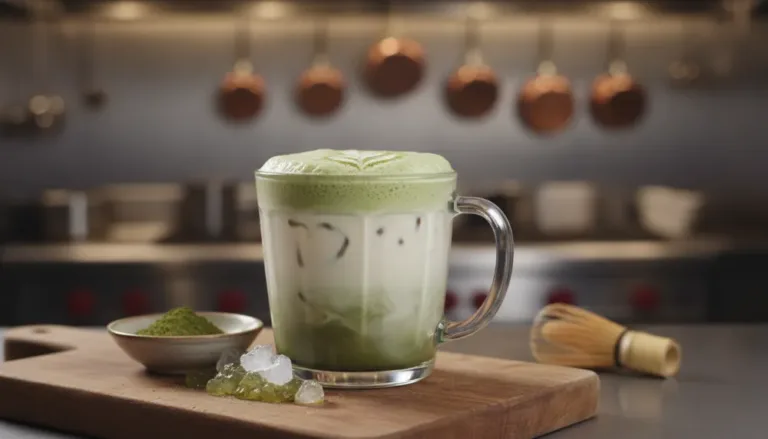
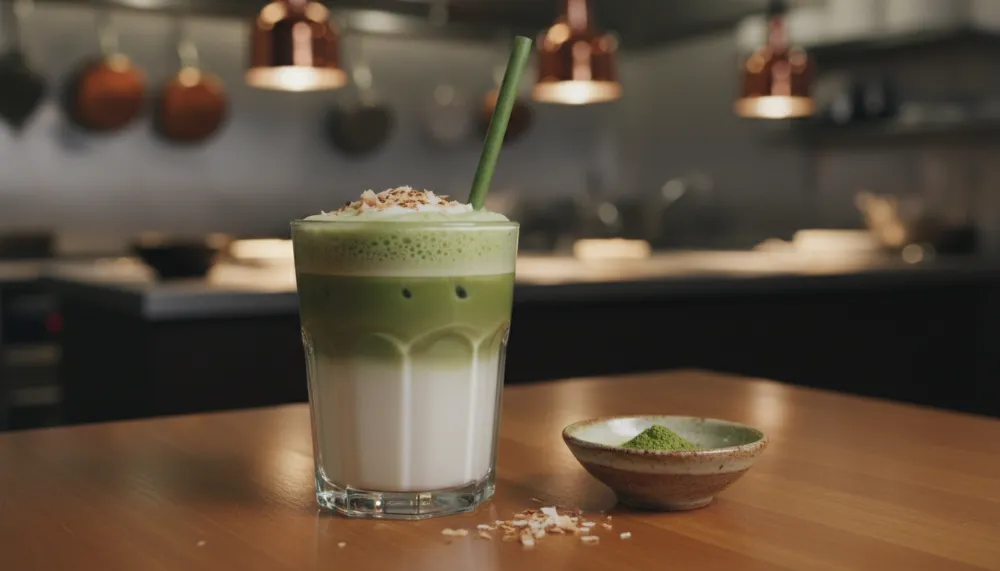
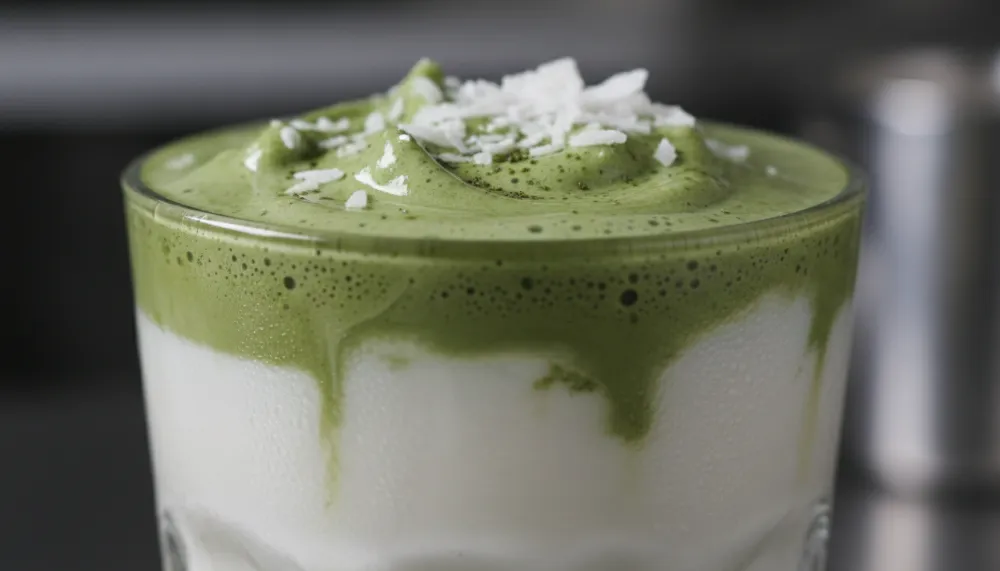
- 4 For an iced latte, fill a glass with ice and pour the coconut milk mixture over it. Gently pour the whisked matcha on top to create a beautiful layered effect.
- 5 For a hot latte, steam the coconut milk mixture before combining with the whisked matcha.
The Fascinating History of the Coconut Matcha Latte
The Coconut Matcha Latte is a contemporary fusion beverage that combines the centuries-old traditions of Japanese tea with the tropical, plant-based culinary influences of Southeast Asia. While the components seem like a modern invention of the Instagram era, their roots go back over a thousand years. Matcha, or stone-ground green tea, originated in China during the Tang and Song Dynasties but was truly perfected in Japan starting in the 12th century. It became the centerpiece of the Chanoyu, the Japanese tea ceremony, valued for its meditative and grounding properties. The monks who first utilized matcha did so to maintain a state of calm alertness during long hours of meditation, a benefit we still enjoy today.
The evolution into a “latte” only occurred fairly recently. The concept of adding dairy or plant-based milk to whisked matcha emerged in Western markets in the early 2010s. For example, the Los Angeles-based cafe Alfred claims to be one of the first to put matcha on a mainstream coffee menu around 2013. However, the specific pairing with coconut milk gained prominence during the plant-based superfood movement of the mid-2010s. This variation was further popularized by viral cafe trends in Bangkok, where baristas used fresh coconut water and membranes, and in China, where Luckin Coffee turned the coconut milk latte into a cultural phenomenon, selling hundreds of millions of cups annually.
Why Coconut Milk is the Superior Choice
When crafting a Coconut Matcha Latte, the choice of milk is paramount. Coconut milk offers a unique fatty acid profile that complements the tannins in green tea perfectly. Unlike almond milk, which can sometimes be watery, or oat milk, which is quite grainy, coconut milk provides a rich, tropical creaminess that mimics the mouthfeel of traditional whole milk without the dairy. This makes it an essential component for those seeking tropical drink recipes that feel indulgent yet light.
One of the primary reasons health enthusiasts gravitate toward coconut milk matcha is the presence of Medium-Chain Triglycerides (MCTs). These fats are metabolized differently than long-chain fats, providing a quick source of energy for the brain and body. When combined with the caffeine in matcha, it creates a sustained energy release that avoids the “crash” often associated with sugary coffee drinks. To ensure your coconut milk is perfectly smooth for your latte, using a high-quality tool like the Ninja BN751 Professional Plus DUO Blender is a game-changer. Its 1000W motor can emulsify even the thickest canned coconut milk into a silky froth in seconds.
The Nutritional Science: Matcha Meets Coconut
A typical 12-ounce serving prepared with unsweetened coconut milk provides a robust nutritional profile. Depending on your choice of sweetener, the calories usually range between 120 to 290 kcal. However, the real value lies in the bioactive compounds. Matcha is famous for its high concentration of L-theanine, an amino acid that promotes relaxation without drowsiness. This works in synergy with caffeine to provide what many call “zen energy.”
Furthermore, matcha is packed with Catechins, specifically EGCG (epigallocatechin gallate). These are powerful antioxidants that support cardiovascular health and boost metabolism. When you add coconut to the mix, you also introduce essential electrolytes like potassium and magnesium. For those focused on meal prep and maintaining a healthy lifestyle, storing your pre-measured matcha portions in a Rubbermaid Brilliance Glass Storage Set ensures that the delicate powder remains airtight and free from moisture, preserving its antioxidant potency.
Selecting the Right Matcha Grade
Not all matcha is created equal. For a Coconut Matcha Latte, you should ideally use “Ceremonial Grade” matcha. This grade is made from the youngest tea leaves, which are stone-ground into a fine powder. It has a vibrant emerald green color and a naturally sweet, delicate flavor. “Culinary Grade” matcha, while more affordable, tends to be more bitter and duller in color, which can be overwhelmed by the richness of the coconut milk. Always look for matcha sourced from Uji or Nishio in Japan for the highest quality experience.
Mastering the Art of the Whisk
The secret to a world-class Coconut Matcha Latte lies in the preparation of the tea concentrate. If you simply stir matcha powder into milk, you will likely end up with clumps. To avoid this, always sift your matcha through a fine-mesh strainer. Once sifted, add hot water, but never boiling water. Water that is too hot will scorch the delicate tea leaves, resulting in a bitter taste. The ideal temperature is around 175°F.
Using a traditional bamboo whisk (chasen) is the preferred method for many, but a handheld electric frother works wonders for a quick morning routine. If you are preparing lattes for a large family or a brunch group, the Cuisinart 8 Cup Food Processor can actually be used with its whisk attachment to prep large batches of the coconut milk base, ensuring every guest gets a perfectly aerated and mixed beverage. To keep your ingredients as fresh as possible, especially if you buy bulk coconut flakes or tea leaves, a FoodSaver Vacuum Sealer Machine is indispensable for preventing oxidation.
Barista-Style Variations and Tropical Ideas
If you want to take your Coconut Matcha Latte to the next level, consider these professional variations often seen in high-end coastal cafes:
- The “Dirty” Coconut Matcha: For those who need an extra kick, add a single shot of espresso over the coconut milk before pouring the matcha. This creates a stunning tri-color gradient and a complex flavor profile that balances the bitterness of coffee with the earthiness of tea.
- Blue Spirulina Ocean Latte: Mix a pinch of blue spirulina into your coconut milk. This creates a vibrant turquoise base that, when topped with green matcha, looks like a tropical ocean. It is one of the most popular summer tea ideas on social media.
- Toasted Coconut Garnish: Enhance the texture by topping your latte with toasted coconut chips. You can easily toast these yourself in a Cosori 9-in-1 TurboBlaze Air Fryer for just 2-3 minutes until golden and fragrant.
Pairing Your Latte with Food
Since this latte is dairy-free and full of healthy fats, it pairs beautifully with a variety of snacks. For a light breakfast, try pairing it with a chicken and avocado wrap or a bowl of steel-cut oats topped with fresh berries. If you prefer something savory, roasted chickpeas seasoned with sea salt provide a wonderful crunch that contrasts with the creamy latte. The Cosori Air Fryer mentioned earlier is the perfect tool for getting those chickpeas perfectly crispy without excess oil.
For a refreshing afternoon snack, consider a tropical fruit salad with mango, pineapple, and a squeeze of lime juice. The acidity of the fruit cuts through the richness of the coconut milk, making for a balanced and energizing treat. Because this beverage contains no alcohol or pork products, it fits seamlessly into a wide variety of lifestyle diets without needing specific labels.
Frequently Asked Questions
Can I use coconut water instead of coconut milk?
Yes, coconut water matcha is a popular alternative. It is much thinner and less creamy but extremely hydrating. It is a fantastic choice for a refreshing iced latte on a hot summer day. However, it will lack the velvety latte texture that the fats in coconut milk provide.
How do I prevent my matcha from clumping?
Sifting is the most important step. Beyond that, creating a “slurry” by mixing the matcha with just a tiny amount of water first to form a paste before adding the rest of the liquid can help ensure a smooth consistency.
Is it better hot or iced?
This is entirely down to preference. Hot Coconut Matcha Lattes are incredibly comforting and bring out the aromatic floral notes of the tea. Iced versions are the quintessential tropical drink, perfect for cooling down and staying alert throughout the afternoon.
Final Thoughts on the Coconut Matcha Ritual
Incorporating a Coconut Matcha Latte into your daily routine is more than just a caffeine choice, it is a moment of mindfulness. The process of whisking the tea, watching the vibrant green foam develop, and layering it over creamy coconut milk allows for a brief pause in a busy day. By choosing high-quality ingredients and the right kitchen tools, you can recreate this cafe-quality experience in the comfort of your own home, reaping the long-term health benefits of antioxidants and healthy fats.