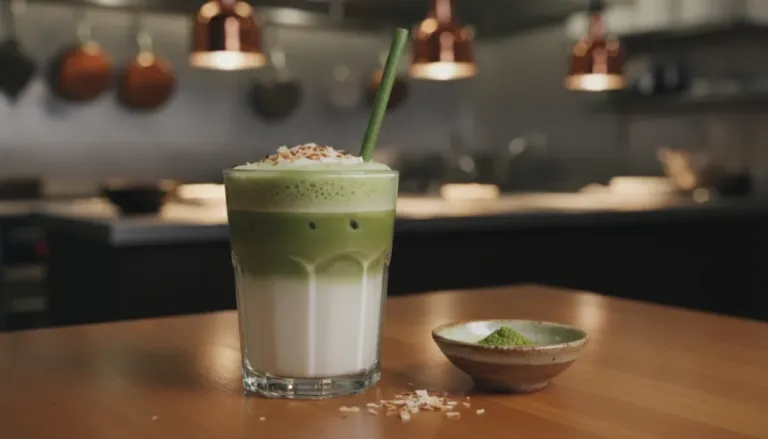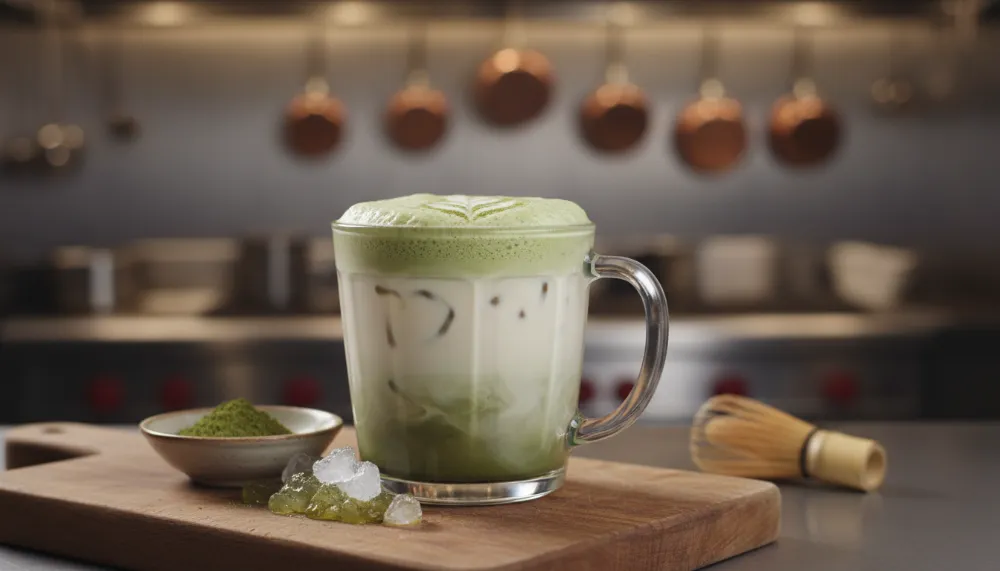
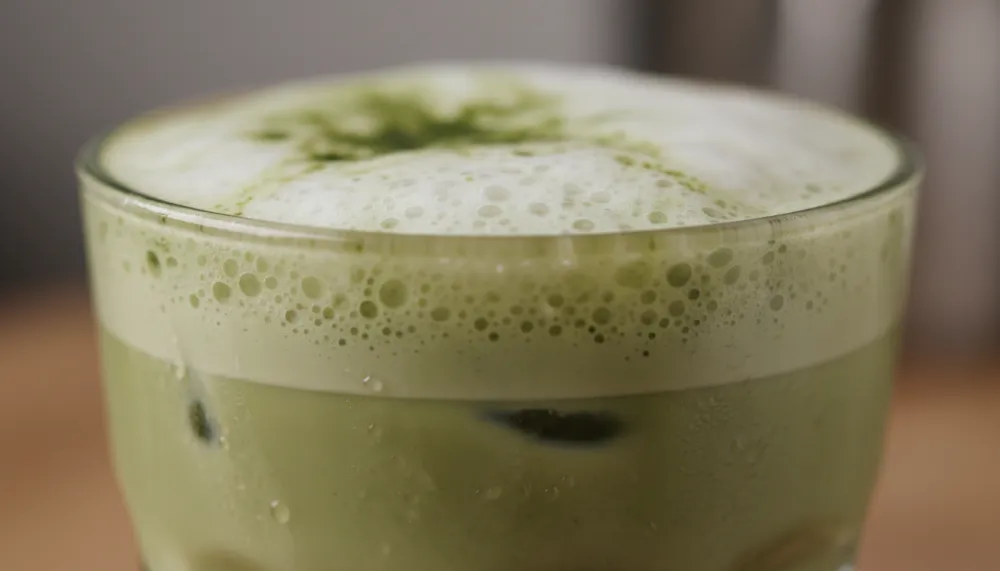
Experience the ultimate creamy energy boost with this vibrant Oat Milk Matcha Latte, a perfect fusion of ancient tradition and modern plant-powered indulgence. This barista-quality drink delivers a smooth, earthy flavor profile without any dairy, making it the perfect morning ritual for focused energy.
Barista-Style Oat Milk Matcha Latte
Ingredients
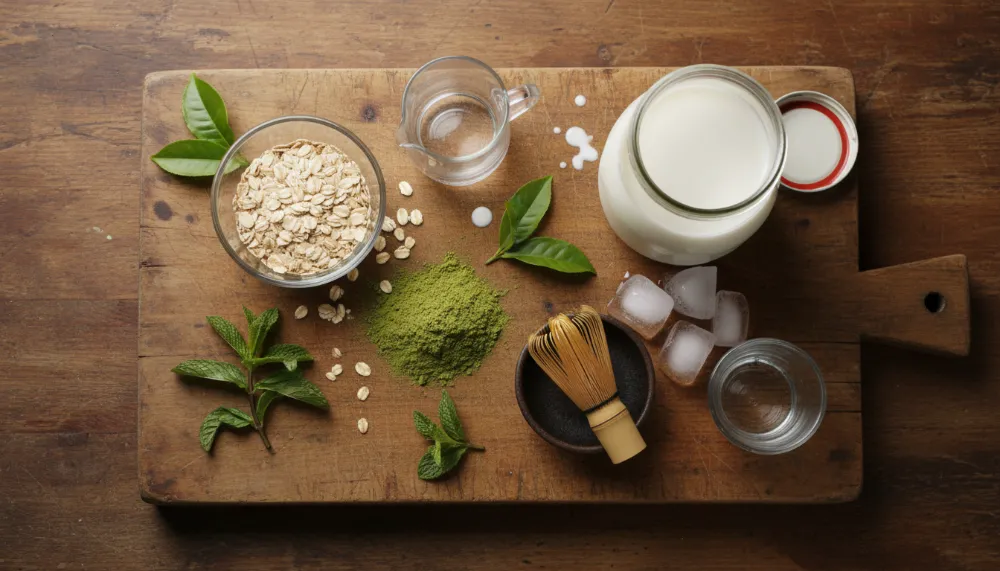
- 1.5 tsp Ceremonial Grade Matcha Powder
- 2 oz Hot Water (exactly 175°F/80°C)
- 8 oz Barista-Style Oat Milk
- 1 tsp Pure Maple Syrup (optional)
- 1/4 tsp Alcohol-Free Vanilla Bean Paste
Instructions
- 1 Sift the matcha powder into a bowl to remove all clumps.
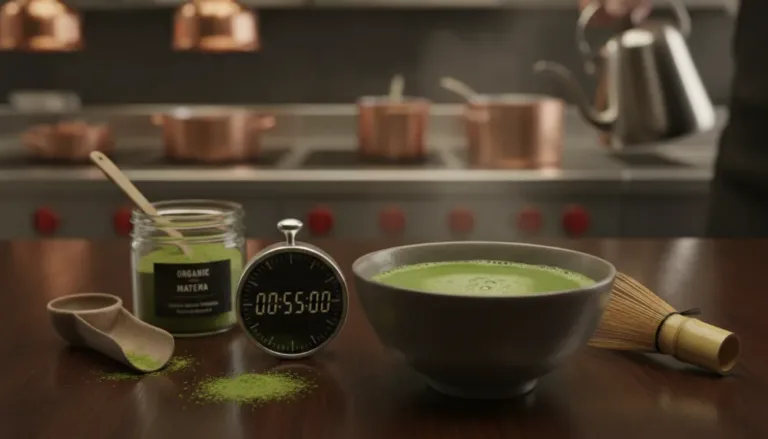
- 2 Add the hot water and whisk in a zig-zag motion until a frothy slurry forms.
- 3 Heat the oat milk and froth using a steam wand or electric frother.
- 4 Stir the sweetener and vanilla into the matcha slurry.
- 5 Pour the frothy oat milk over the matcha and enjoy immediately.
The Historical Journey of Matcha: From Dynasties to Modern Cafes
The story of the Oat Milk Matcha Latte begins over a millennium ago, long before it became a staple of modern specialty coffee shops. The practice of grinding tea into a fine powder originated in China during the Tang Dynasty (618–907), where tea leaves were steamed and formed into bricks for storage and trade. However, it was during the Song Dynasty (960–1279) that the method of whisking powdered tea with hot water in a bowl became popular, a technique that would eventually travel to Japan and evolve into the ritualistic ceremony we know today.
In 1191, the Zen Buddhist monk Eisai brought green tea seeds to Japan after studying in China. He planted them on the grounds of a temple in Kyoto and wrote the first Japanese book on tea, asserting that tea was a medicinal miracle for health and longevity. Over the centuries, Japanese farmers in the Uji region perfected the art of cultivation, developing the “shade-growing” technique. By covering the tea plants with bamboo mats for several weeks before harvest, they forced the plants to produce more chlorophyll and L-theanine, resulting in the vibrant emerald color and mellow, umami flavor that distinguishes high-quality matcha.
Why Oat Milk is the Ultimate Partner for Matcha
The transition from a water-based ceremonial tea to the modern latte was an evolution of palates. While dairy was the initial standard, the rise of oat milk in the late 2010s revolutionized the beverage. Unlike almond milk, which can be thin and slightly bitter, or soy milk, which can have a strong bean-like aftertaste, oat milk possesses a natural sweetness and a creamy, thick texture that mimics whole milk. This creaminess is essential for balancing the slightly astringent and earthy notes of the matcha powder.
From a chemistry perspective, oat milk is high in lipids and proteins that emulsify well, creating a stable micro-foam. This allows for beautiful latte art and a luxurious mouthfeel. Furthermore, oat milk contains beta-glucans, a type of soluble fiber that adds a velvety weight to the drink, making the Oat Milk Matcha Latte feel more like a decadent treat than a simple tea.
The Science of Energy: L-Theanine and Caffeine
What sets the Oat Milk Matcha Latte apart from a standard coffee latte is the quality of the caffeine high. When you consume coffee, the caffeine is released rapidly into the bloodstream, often leading to a spike followed by a “crash” and potential jitters. Matcha contains a significant amount of caffeine, but it also contains a high concentration of L-theanine, a unique amino acid that promotes relaxation without drowsiness.
L-theanine works in synergy with caffeine to slow its absorption, providing a sustained release of energy over four to six hours. This state is often referred to as “calm alertness.” For professionals and students, this makes the Oat Milk Matcha Latte the ideal beverage for deep work and concentration. Additionally, the antioxidants in matcha, specifically Epigallocatechin gallate (EGCG), have been studied for their ability to support metabolic health and protect cells from oxidative stress.
Nutritional Breakdown (Approximate per 12 oz Serving)
- Calories: 140–180 kcal
- Total Fat: 5g
- Carbohydrates: 22g
- Fiber: 2g (from oats)
- Protein: 3g
- Antioxidants: ~1300 ORAC units
Mastering the Technique: Water Temperature and Whisking
The most common mistake when making an Oat Milk Matcha Latte at home is using boiling water. Boiling water (212°F) will scorch the delicate tea leaves, resulting in a bitter, unpalatable drink. To achieve the perfect flavor, your water should be approximately 175°F (80°C). If you do not have a temperature-controlled kettle, simply let boiling water sit for two minutes before pouring it over your matcha.
The whisking process is equally critical. While a traditional bamboo whisk (chasen) is the gold standard for creating a smooth slurry, modern tools like the Ninja BN751 Professional Plus DUO Blender (https://amzn.to/3LCDyNR) can be used to emulsify the matcha and oat milk together at high speeds, ensuring no clumps remain and the texture is perfectly uniform. For those who prefer the manual method, always whisk in a ‘W’ or ‘Z’ motion rather than a circular one to incorporate air and create a thick, frothy foam.
Professional Flavor Variations to Elevate Your Drink
Specialty cafes often use botanical infusions to add depth to their lattes. Here are a few ways you can customize your Oat Milk Matcha Latte:
- Lavender Infusion: Add a drop of food-grade lavender oil or a splash of lavender-infused honey. The floral notes perfectly complement the grassiness of the matcha.
- Spiced Cardamom: Whisk a pinch of ground cardamom into the powder. This adds a warm, spicy undertone that is incredibly comforting in the winter.
- Iced Strawberry Matcha: For a refreshing summer version, layer fresh strawberry purée at the bottom of a glass, add ice, pour in cold oat milk, and top with your whisked matcha slurry. Use a Cuisinart 8 Cup Food Processor (https://amzn.to/47Nhbg8) to quickly create smooth fruit purées from fresh berries.
- Vanilla Bean Elegance: Using a high-quality, alcohol-free vanilla bean paste rather than extract provides a deeper, more aromatic sweetness that bridges the flavors of the oats and the tea.
Essential Equipment for the Matcha Enthusiast
To produce a consistent, high-quality latte, having the right tools in your kitchen is essential. Beyond the whisk and kettle, consider these professional recommendations:
- Ninja BN751 Professional Plus DUO Blender: https://amzn.to/3LCDyNR (Why Perfect: The 1000W motor is excellent for creating perfectly emulsified lattes and handling bulk batches of matcha slurry for meal prep).
- Cosori 9-in-1 TurboBlaze Air Fryer 6 Qt: https://amzn.to/4hRWmVq (Why Perfect: While not for the tea itself, it is perfect for roasting seeds or making crunchy chickpeas to serve alongside your morning beverage).
- Rubbermaid Brilliance Glass Storage Set: https://amzn.to/4oD0YkY (Why Perfect: These are ideal for storing leftover matcha slurry or pre-measured oat milk in the fridge, keeping them fresh and leak-proof).
- FoodSaver Vacuum Sealer Machine: https://amzn.to/4qWgVnS (Why Perfect: Matcha is extremely sensitive to oxygen and light. Use this to vacuum seal your bulk matcha powder bags to prevent oxidation and keep the flavor vibrant).
Storage and Maintenance for Maximum Freshness
Matcha is a “living” product that begins to oxidize the moment it is ground. To keep your Oat Milk Matcha Latte tasting like a professional barista made it, you must store your tea properly. Always keep your matcha in an airtight container, preferably in a cool, dark place or even the refrigerator. Exposure to heat, light, and air will quickly turn the vibrant green powder into a dull brown, significantly affecting the flavor and nutritional content.
If you are a frequent drinker, buying in bulk and using the FoodSaver Vacuum Sealer Machine (https://amzn.to/4qWgVnS) to portion out your powder into smaller, airtight bags can save money while preserving the integrity of the tea. For daily use, the Rubbermaid Brilliance Glass Storage Set (https://amzn.to/4oD0YkY) is excellent for keeping your prepared ingredients accessible and fresh.
Common Pitfalls to Avoid
Even with the best ingredients, small errors can ruin the experience of an Oat Milk Matcha Latte. Avoid these common mistakes:
- Skipping the Sifting: Matcha naturally clumps due to static electricity. If you don’t sift it, you will end up with bitter, powdery chunks in your drink.
- Using Culinary Grade for Lattes: While culinary grade is great for baking, it is often too bitter for a latte. Always opt for ceremonial grade or a high-quality latte-specific blend.
- Too Much Sweetener: The goal is to enhance the matcha, not hide it. Start with a small amount of sweetener and adjust slowly.
- Poor Quality Oat Milk: Standard oat milk can be too watery. Always look for “Barista Edition” or “Creamer” versions, as these are formulated to handle heat and frothing without separating.