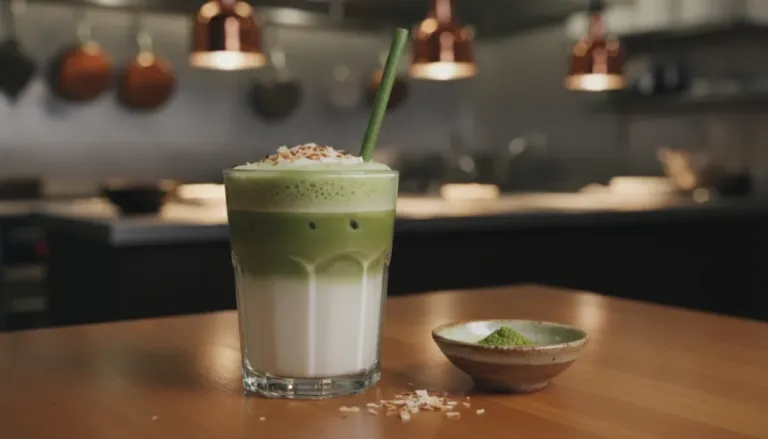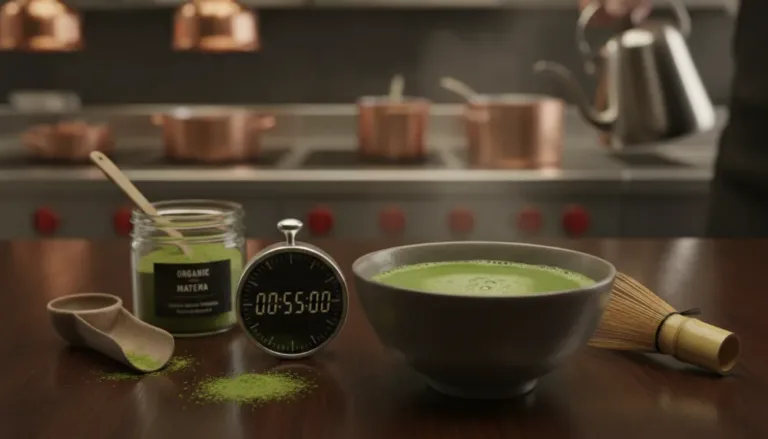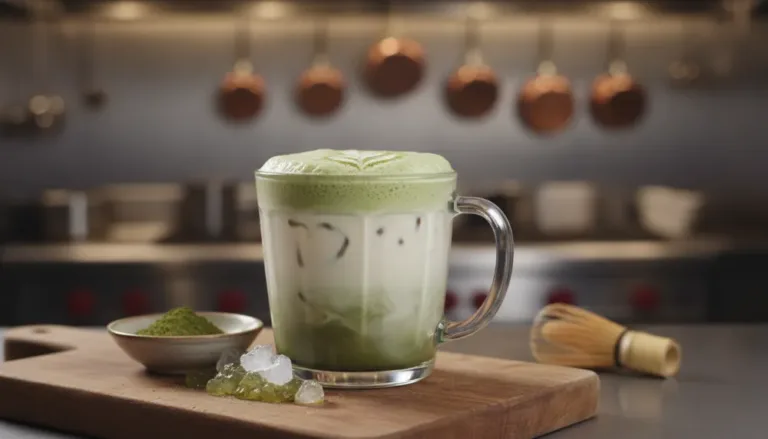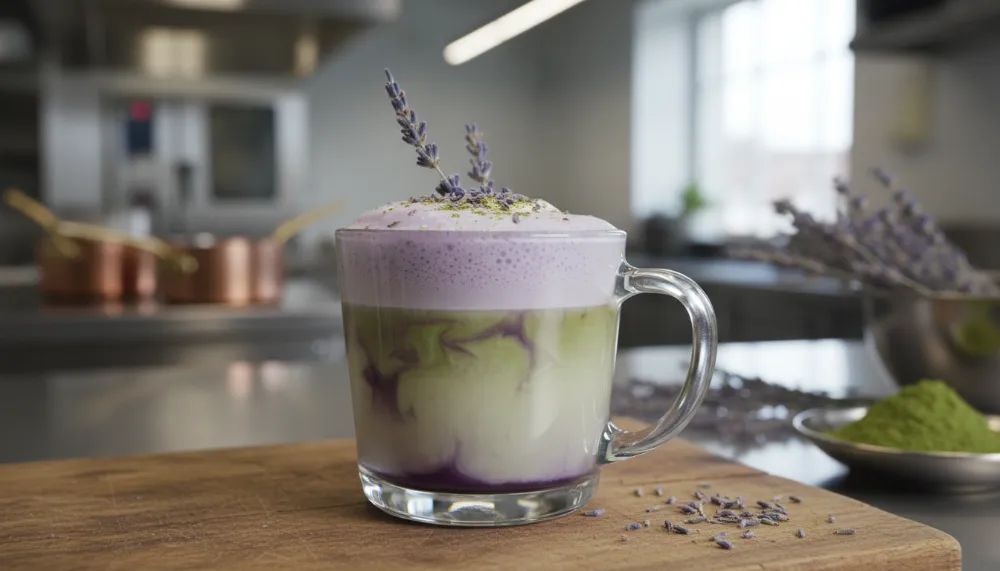
Experience a sensory revolution with the Lavender Matcha Latte, where botanical elegance meets ancient Japanese tradition in a vibrant, pastel-hued masterpiece. This sophisticated beverage offers a perfect balance of earthy umami and soothing floral notes, making it the ultimate ritual for calm alertness.
Signature Lavender Matcha Latte
Ingredients
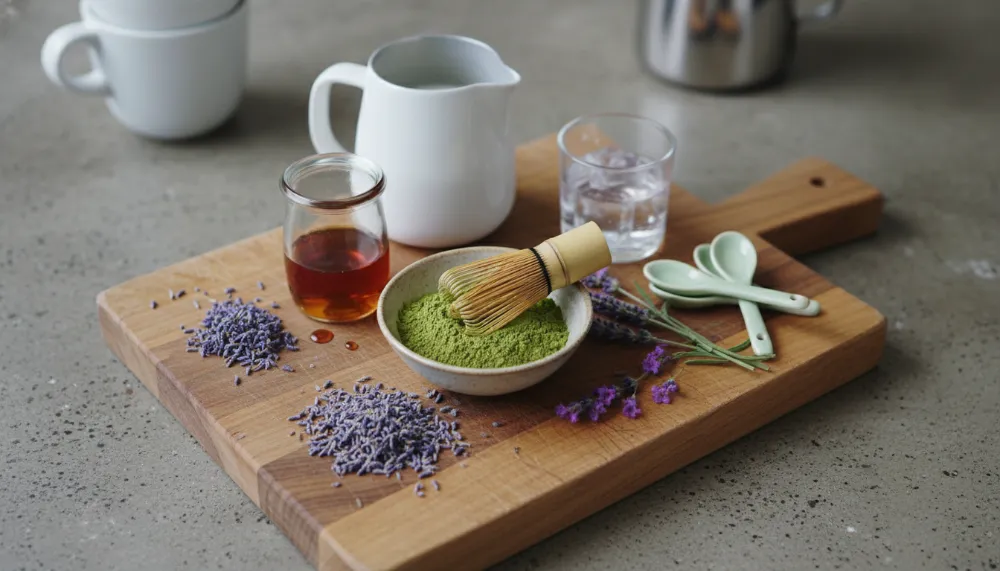
- 1 1.5 teaspoons High-Quality Ceremonial Grade Matcha Powder
- 2 2 ounces Hot Water (175°F / 80°C)
- 3 1 tablespoon Homemade Lavender Syrup (Water, Sugar, Dried Lavender Buds)
- 4 8 ounces Oat Milk or Whole Milk
- 5 1 pinch Dried Culinary Lavender Buds for garnish
Instructions
- 1 Sift the matcha powder into a small bowl to remove any clumps, ensuring a smooth texture.
- 2 Add the hot water (not boiling) and whisk vigorously in a zigzag motion with a bamboo whisk until a thick froth forms.
- 3 Stir the lavender syrup into the matcha concentrate until fully incorporated.
- 4 Heat and froth your milk using a steam wand or electric frother until light and airy.
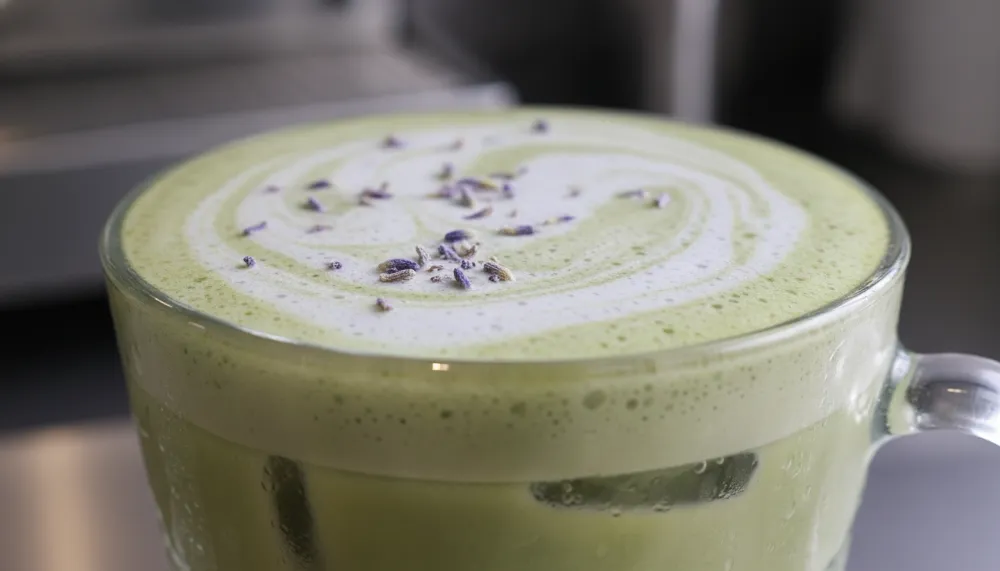
- 5 Pour the frothed milk over the lavender-infused matcha, top with dried lavender buds, and enjoy immediately.
The Historical Journey of the Lavender Matcha Latte
The Lavender Matcha Latte is not merely a modern Instagram trend, it is the culmination of centuries of tea culture meeting the contemporary botanical beverage movement. To understand this drink, we must look at the two distinct lineages that formed its DNA. Matcha, a finely ground powder of specially grown and processed green tea leaves, has been the cornerstone of the Japanese tea ceremony since the 15th century. Originating in China during the Tang Dynasty and later refined in Japan, matcha represents harmony, respect, and tranquility. On the other hand, lavender has been a staple of Mediterranean herbalism for millennia, prized for its aromatic properties and supposed calming effects. The convergence occurred in the early 21st century, specifically within the third-wave coffee culture of the American West Coast. Baristas, looking to innovate beyond standard vanilla and caramel, began experimenting with floral syrups. By 2024, the Lavender Matcha Latte exploded into the mainstream, becoming a seasonal staple for major retailers who recognized the public’s desire for functional ingredients that offer both flavor and aesthetic appeal.
Nutritional Deep Dive: Why This Drink is a Powerhouse
Beyond its striking appearance, the Lavender Matcha Latte is a nutritional heavyweight. A standard 16 oz serving prepared with oat milk contains roughly 190 to 290 calories, but the real value lies in the bioactive compounds. Matcha is renowned for its high concentration of EGCG (epigallocatechin gallate), a powerful antioxidant that supports heart health and metabolic function. Unlike the jittery energy provided by coffee, matcha contains L-theanine, an amino acid that promotes a state of relaxation without drowsiness. This creates a sustained, calm alertness that is perfectly complemented by the soothing aroma of lavender. When you choose plant-based milks like oat or almond, you also benefit from added calcium and Vitamin D, making this a well-rounded beverage choice. It is important to note that the nutritional profile can be adjusted by controlling the sugar content in your lavender syrup, many professionals now opt for honey or agave to provide a more natural glycemic response.
Professional Variations: Elevating Your Home Brew
Once you have mastered the basic recipe, there are several professional variations you can explore to customize your Lavender Matcha Latte experience. For instance, the “Lavender Velvet” variation involves blending your milk with lavender syrup at high speeds to create a dense, mousse-like consistency that sits atop the matcha like a cloud. For a more visually stunning drink, some baristas incorporate butterfly pea flower powder into the lavender component. This provides a natural blue-purple tint that creates a gorgeous ombre effect against the bright green matcha. If you prefer a brighter finish, adding a small amount of fresh lemon zest to the garnish can cut through the creaminess of the milk and highlight the floral notes of the lavender. Another popular modification is the addition of vanilla bean paste, which rounds out any potential bitterness from the tea and creates a dessert-like profile without excessive sugar.
The Art of the Lavender Syrup
Creating your own lavender syrup is the secret to a high-authority latte. Avoid store-bought syrups that often use artificial flavorings and instead opt for a simple infusion. To make this without any alcohol, combine equal parts water and organic cane sugar in a saucepan, add two tablespoons of dried culinary lavender, and simmer for ten minutes. This ensures the linalool, the primary aromatic compound in lavender, is fully extracted into the syrup. For the best results, use the Ninja BN751 Professional Plus DUO Blender: https://amzn.to/3LCDyNR to emulsify your syrups if you choose to incorporate honey or thicker sweeteners, as its 1000W motor ensures a perfectly smooth consistency every time.
Mastering the Tech: Essential Tools for the Modern Kitchen
To achieve cafe-quality results at home, having the right equipment is non-negotiable. While a bamboo whisk (chasen) is traditional, many modern enthusiasts prefer the speed and consistency of high-performance blenders and food processors. For instance, if you are prepping large batches of lavender-infused sugar or grinding your own botanicals, the Cuisinart 8 Cup Food Processor: https://amzn.to/47Nhbg8 is an essential tool for meal prep and ingredient refinement. Furthermore, storing your homemade syrups and matcha powder correctly is vital to maintaining freshness. We recommend the Rubbermaid Brilliance Glass Storage Set of 9: https://amzn.to/4oD0YkY, which is leak-proof and keeps your delicate botanicals away from air and moisture. For long-term preservation of bulk-purchased matcha powder, the FoodSaver Vacuum Sealer Machine: https://amzn.to/4qWgVnS is a game-changer, preventing oxidation and freezer burn so every cup tastes as fresh as the first. If you’re feeling adventurous and want to pair your latte with a healthy snack, the Cosori 9-in-1 TurboBlaze Air Fryer 6 Qt: https://amzn.to/4hRWmVq is perfect for roasting lavender-infused chickpeas or almond flour crackers to complement the drink’s earthy profile.
Common Pitfalls and Troubleshooting
One of the most common mistakes when making a Lavender Matcha Latte is using boiling water. Matcha is extremely delicate, and water above 185°F will scorch the leaves, resulting in an unpleasantly bitter and astringent taste. Always aim for 175°F. Another frequent issue is the “soapy” taste associated with lavender. This occurs when too much dried lavender is used or if the lavender is steeped for too long. Stick to culinary-grade Lavandula angustifolia, which has a sweeter, more refined flavor than common decorative lavender. If your matcha is clumpy, it is likely because you skipped the sifting step. Even high-grade ceremonial matcha can clump due to static electricity, so always use a fine-mesh sieve before adding water. Finally, ensure your milk is frothed to the correct temperature, overheating milk (beyond 150°F) can destroy its natural sweetness and create a thin, watery texture rather than a rich, micro-foam.