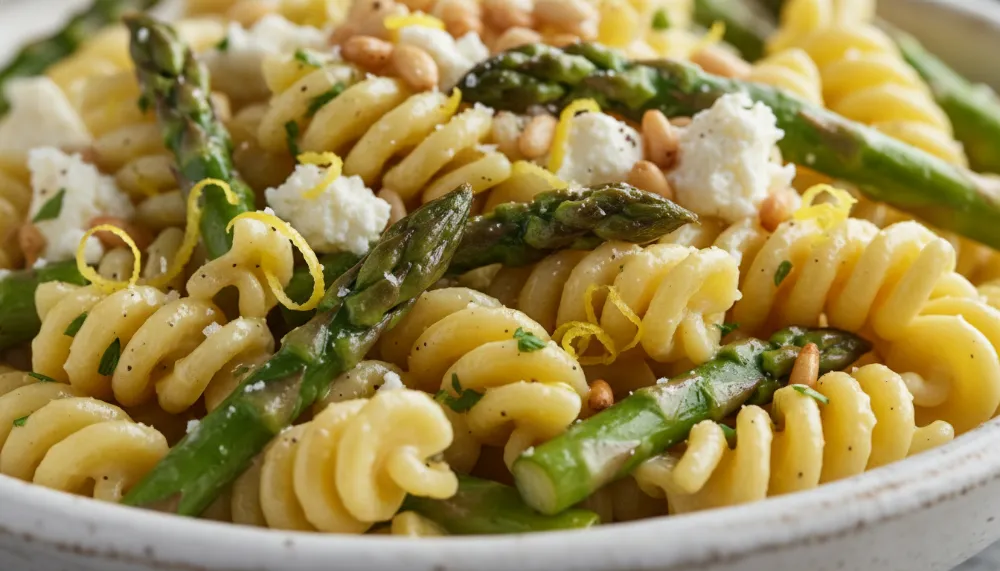
This vibrant lemon asparagus pasta salad combines zesty citrus notes with crisp spring vegetables for the perfect healthy meal. It is a refreshing, nutrient-dense dish that brings the bright flavors of the Mediterranean straight to your table.
Zesty Lemon Asparagus Pasta Salad
Ingredients
- 1 lb Rotini or Fusilli Pasta
- 1 lb Fresh Asparagus, trimmed and cut into 2-inch pieces
- 1/2 cup Extra Virgin Olive Oil
- 2 Large Lemons, zested and juiced
- 3 cloves Garlic, minced
- 1/2 cup Crumbled Feta Cheese
- 1/4 cup Toasted Pine Nuts
- 1 tsp Sea Salt and 1/2 tsp Black Pepper
- 1/4 cup Fresh Parsley, chopped
Instructions
- 1 Cook the pasta in a large pot of salted boiling water according to package directions.
- 2 During the last 3 minutes of pasta cooking, add the asparagus pieces to the pot to blanch.
- 3 Drain the pasta and asparagus and rinse immediately with cold water to stop the cooking process.
- 4 In a small bowl, whisk together the olive oil, lemon juice, zest, garlic, salt, and pepper.
- 5 Toss the pasta and asparagus with the dressing, feta, pine nuts, and parsley. Serve chilled.
The Rich History and Mediterranean Roots of Cold Pasta
The lemon asparagus pasta salad is far more than just a modern picnic staple, it is a dish rooted in the ancient traditions of Mediterranean culinary history. The concept of cold pasta, or pasta fredda, originated centuries ago in Italy, specifically within the coastal regions where heat necessitated lighter, more refreshing meals during the summer months. Food historians often point to the Italian Jewish communities as early innovators of this style. Because religious law prohibited cooking during the Sabbath, pasta was often prepared in advance and served cold, which allowed flavors to meld and develop a unique profile separate from traditional hot dishes. Over time, these techniques blended with the agricultural abundance of the spring season, where the arrival of the first asparagus stalks signaled a time for renewal and fresh eating.
As the farm-to-table movement gained momentum in the late 20th century, the pairing of lemon and asparagus became a benchmark for seasonal excellence. The acidity of the lemon acts as a natural flavor enhancer, cutting through the starch of the pasta and highlighting the earthy, slightly sweet notes of the asparagus. In professional kitchens, this lemon asparagus pasta salad represents the perfect balance of texture and taste, showcasing how simple ingredients, when treated with respect, can create a gourmet experience. 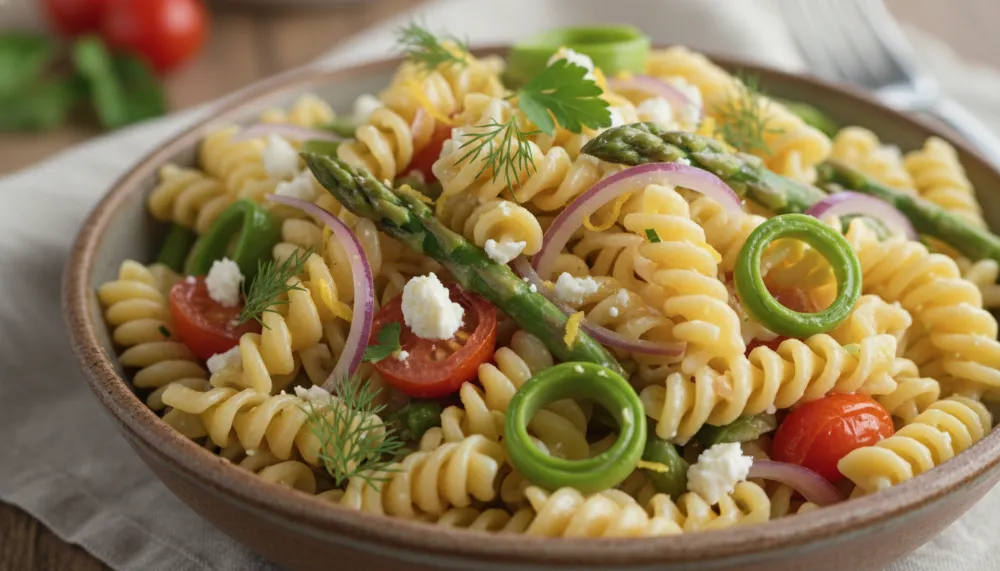
A Deep Dive into the Nutritional Profile of Lemon Asparagus Pasta Salad
When you consume a bowl of lemon asparagus pasta salad, you are fueling your body with a complex array of macronutrients and micronutrients. Asparagus is widely considered a nutritional powerhouse. It is exceptionally high in Vitamin K, which is essential for bone health and proper blood clotting. A single serving of this salad can provide over 50% of your daily requirement for this vital nutrient. Furthermore, asparagus is a significant source of folate, also known as Vitamin B9, which plays a crucial role in DNA synthesis and cell repair. This makes the lemon asparagus pasta salad an excellent choice for individuals looking to support their cellular health naturally.
The lemon component adds more than just a bright zing, it provides a substantial boost of Vitamin C, a powerful antioxidant that supports the immune system and promotes skin health. When paired with high-quality extra virgin olive oil, the healthy monounsaturated fats facilitate the absorption of fat-soluble vitamins found in the vegetables. To ensure your ingredients are prepared with precision, using the Cuisinart 8 Cup Food Processor is essential for fast chopping and slicing during meal prep, allowing you to achieve consistent vegetable sizes for optimal texture in every bite.
Essential Tools for Mastering the Perfect Pasta Salad
Creating a high-quality lemon asparagus pasta salad requires the right equipment to handle delicate ingredients and emulsify dressings. Professional chefs rely on specialized tools to ensure that every component is treated correctly. For example, the dressing is the soul of the salad. To achieve a perfectly smooth and integrated vinaigrette, the Ninja BN751 Professional Plus DUO Blender is a top recommendation. Its 1000W motor is perfect for blending lemon juice, oil, and aromatics like garlic or even tahini if you choose a creamier variation, ensuring that the dressing doesn’t separate after being tossed with the pasta.
Texture is another critical element. While many people blanch their asparagus in boiling water, roasting it can provide a deeper, charred flavor that contrasts beautifully with the lemon. The Cosori 9-in-1 TurboBlaze Air Fryer 6 Qt roasts chickpeas and vegetables perfectly with a large family capacity, offering an alternative way to prepare your asparagus or even crispy chickpea croutons for a protein boost. Using an air fryer preserves the structural integrity of the asparagus while concentrating its natural sugars through caramelization.
Professional Flavor Variations: Expanding Your Culinary Horizons
The beauty of the lemon asparagus pasta salad lies in its versatility. By introducing different proteins and supplemental vegetables, you can transform this simple side dish into a sophisticated main course. Note that these variations strictly avoid pork and alcohol, focusing instead on high-quality beef, chicken, and vegetarian alternatives.
1. The Argentinian Beef and Asparagus Variation
This variation introduces a robust, savory element to the citrus base. By adding thinly sliced grilled flank steak or beef tenderloin tips, the salad becomes a hearty meal. The flavor profile is inspired by Argentinian chimichurri, incorporating fresh parsley, red onion, and a touch of chili flakes. Instead of using red wine vinegar, which is common in chimichurri, this recipe utilizes apple cider vinegar or extra lemon juice to maintain the bright acidity required for the lemon asparagus pasta salad. The char from the beef complements the blanched asparagus, creating a complex smoky and tangy experience.
2. Mediterranean Roasted Chicken Variation
For a lighter yet protein-packed option, the Mediterranean roasted chicken variation is a crowd-pleaser. Shredded or cubed herb-roasted chicken breast is tossed with the lemon asparagus pasta salad, along with marinated artichoke hearts and a generous helping of feta cheese. To add a creamy element without using alcohol-based reductions, a lemon-yogurt dressing thinned with a splash of vegetable broth provides a luxurious mouthfeel. This version is particularly effective for meal prepping, as the chicken continues to absorb the lemon and garlic flavors as it sits.
3. Zesty Garden Vegetarian Variation
If you prefer a plant-based approach, the zesty garden vegetarian variation focuses on texture and earthy undertones. Instead of meat, incorporate crispy roasted chickpeas prepared in your air fryer and a handful of toasted pine nuts. For an extra layer of sophistication, use a Cuisinart food processor to create thin ribbons of raw asparagus. These ribbons provide a different textural experience than the standard chunks, offering a fresh, snappy bite. To replace any traditional white wine acidity, use white balsamic vinegar, which is alcohol-free, combined with preserved lemon for an intense, salty-citrus depth.
The Science of the Perfect Dressing: Emulsification and Balance
A common mistake when making lemon asparagus pasta salad is a dressing that pools at the bottom of the bowl. This occurs when the oil and acid are not properly emulsified. Emulsification is the process of combining two liquids that normally don’t mix, like oil and lemon juice. In a professional setting, we use a stabilizer like mustard or a high-speed blender to create a permanent emulsion. The lemon juice provides the necessary acid to break down the surface tension of the oil, while the Ninja blender creates small droplets that remain suspended, ensuring that every strand of pasta is evenly coated in a velvety layer of flavor.
Furthermore, the timing of dressing your salad is critical. Pasta is most porous when it is warm. However, if you add a lemon-based dressing to hot pasta, the acid can cause green vegetables like asparagus to turn a dull, brownish-olive color due to the reaction with chlorophyll. To maintain the bright green hue of the lemon asparagus pasta salad, it is vital to rinse the pasta in cold water and allow it to cool to room temperature before tossing it with the lemon vinaigrette. This preservation of color is what makes the dish look as good as it tastes on a serving platter.
Storing and Serving Your Lemon Asparagus Pasta Salad
This salad is an ideal candidate for meal prep because it holds up well in the refrigerator. In fact, many find that the flavors are even better the second day. To store it correctly, place the salad in an airtight glass container. Avoid aluminum containers, as the high acidity of the lemon can react with the metal, potentially imparting a metallic taste to the food. If the pasta has absorbed most of the dressing and feels a bit dry the next day, simply add a fresh squeeze of lemon and a tiny drizzle of olive oil to refresh the textures.
When serving at a gathering, remember that the lemon asparagus pasta salad is best enjoyed at a cool room temperature. If it is too cold, the fats in the olive oil and cheese can solidify, masking the delicate flavors of the asparagus. Taking the salad out of the fridge 20 minutes before serving allows the olive oil to return to its liquid state and the aromatics of the garlic and lemon to become more pronounced. This attention to detail is what separates a standard home-cooked meal from a professional culinary presentation.