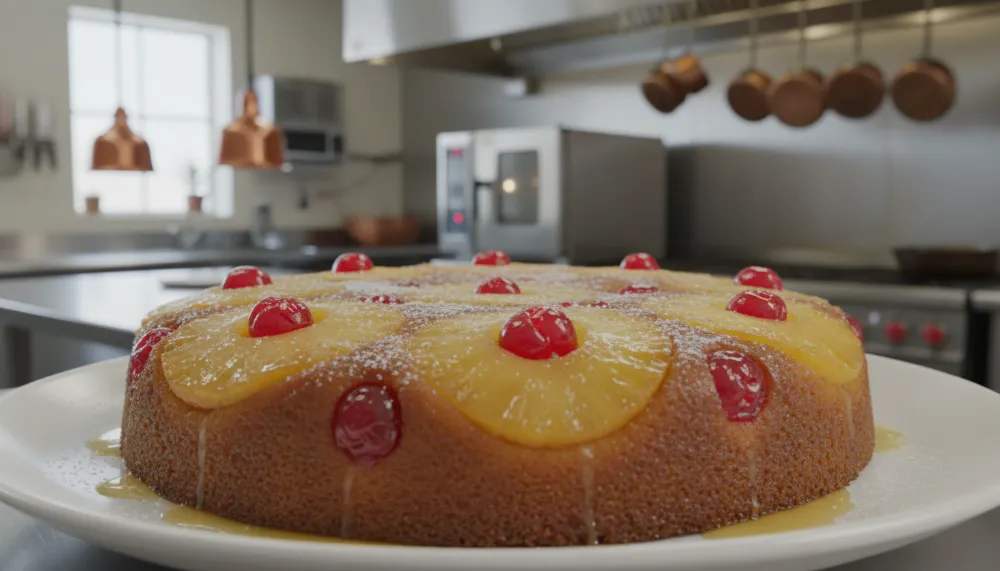
Experience the nostalgia of a golden, caramelized Pineapple Upside Down Cake that perfectly balances tangy fruit with a buttery, moist sponge. This timeless classic is the ultimate centerpiece for any gathering, offering a sophisticated blend of tropical sweetness and rich, comforting textures.
Classic Pineapple Upside Down Cake
Ingredients
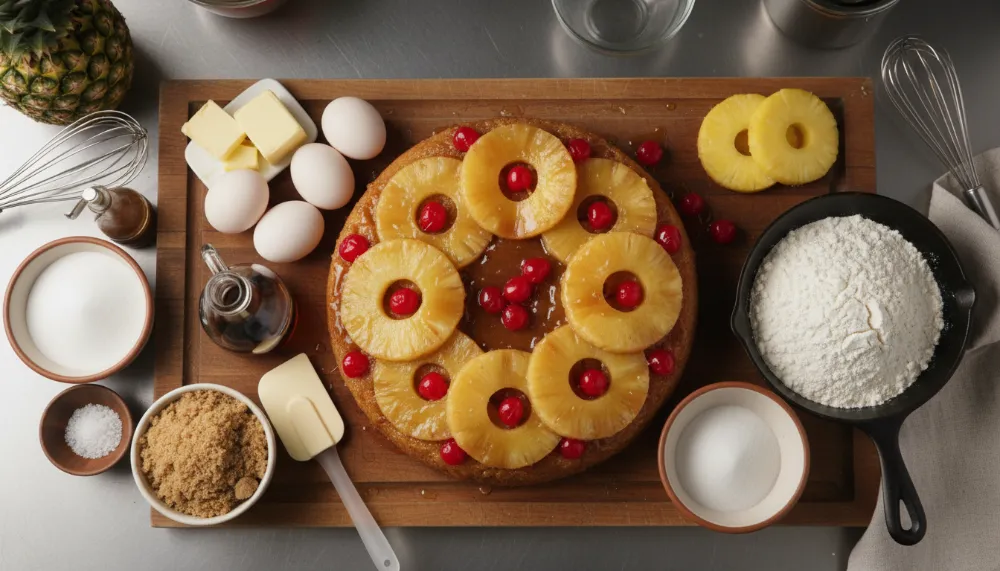
- 1 1/2 cup unsalted butter (for the topping)
- 2 1 cup packed light brown sugar
- 3 1 can (20 oz) pineapple slices in juice (drain and reserve 1/2 cup juice)
- 4 10-12 Maraschino cherries
- 5 1 1/2 cups all-purpose flour
- 6 1 tsp baking powder and 1/4 tsp salt
- 7 1/2 cup unsalted butter, softened (for cake)
- 8 1 cup granulated sugar
- 9 2 large eggs
- 10 1 tsp vanilla-flavored essence (alcohol-free)
Instructions
- 1 Preheat your oven to 350°F (175°C). Melt 1/2 cup butter and pour into a 9×9 inch square pan or a 9-inch round cake pan.
- 2 Sprinkle the brown sugar evenly over the melted butter. Arrange pineapple slices on top of the sugar, and place a cherry in the center of each slice.
- 3 In a medium bowl, whisk together flour, baking powder, and salt. Set aside.
- 4 In a large bowl, cream the softened butter and granulated sugar until light and fluffy. Beat in the eggs one at a time, then add the vanilla essence.
- 5 Gradually add the dry ingredients to the creamed mixture, alternating with the reserved 1/2 cup pineapple juice, beating well after each addition.
- 6 Pour the batter carefully over the fruit. Bake for 40 to 45 minutes or until a toothpick inserted in the center comes out clean.
- 7 Cool in the pan for 10 minutes, then run a knife around the edges and invert onto a serving plate. Let the caramel drizzle down before removing the pan.
The Fascinating History of Pineapple Upside Down Cake
The Pineapple Upside Down Cake is far more than just a retro dessert from the 1950s, it is a quintessential piece of American culinary history that traces its roots back to the very dawn of convenient baking. Long before modern ovens were a standard fixture in every home, early cooks relied on heavy cast-iron skillets. These skillets were placed over open fires or on wood-burning stoves, leading to the creation of “skillet cakes.” To prevent the cake from sticking and to provide a built-in topping, bakers would layer fruit and sugar at the bottom of the pan. Once the cake was finished, it was flipped over, revealing a beautifully glazed fruit crown.
While various fruits like apples or peaches were used in the 19th century, the transition to pineapple was a direct result of industrial innovation. In 1901, James Dole founded the Hawaiian Pineapple Company and pioneered the mass production of canned pineapple. By 1925, the company launched a national recipe contest that changed the course of dessert history. Out of 60,000 entries, nearly 3,000 were for Pineapple Upside Down Cake, prompting the company to feature the recipe in widespread advertisements. This marketing blitz transformed the cake from a practical skillet necessity into a sophisticated, modern icon of the American kitchen.
The Science of Caramelization and Flavor
The magic of the Pineapple Upside Down Cake lies in the chemical transformation that occurs at the bottom of the pan. When butter and brown sugar are heated together, they undergo a process known as caramelization. This involves the oxidation of sugar, which results in the development of complex nutty, buttery, and slightly bitter notes that perfectly contrast the sharp acidity of the pineapple. Simultaneously, the Maillard reaction occurs between the sugars and the proteins in the butter, deepening the flavor profile and creating that signature amber hue.
Unlike standard cakes where the topping is applied after baking, the Pineapple Upside Down Cake effectively “self-bastes.” As the cake rises, the steam from the fruit and the bubbling caramel move upward through the batter, infusing the entire sponge with moisture and tropical essence. This is why the crumb of this cake is uniquely dense yet tender, offering a texture that is vastly different from a standard vanilla sponge. To ensure your cake is a success, using high-quality tools is essential. For instance, preparing your batter components with the Ninja BN751 Professional Plus DUO Blender ensures a perfectly smooth incorporation of ingredients, while storing leftovers in the Rubbermaid Brilliance Glass Storage Set keeps the caramel moist without letting it become soggy.
Choosing the Best Ingredients for Success
While the recipe seems straightforward, the quality of your ingredients will dictate the final result of your Pineapple Upside Down Cake. Let’s break down the essential components that elevate this from a simple tea cake to a professional-grade dessert.
Fresh vs. Canned Pineapple
The eternal debate in the world of Pineapple Upside Down Cake is whether to use fresh or canned fruit. Canned pineapple rings are the traditional choice for a reason: they are uniform in size, pre-peeled, and consistently sweet. Furthermore, the reserved juice in the can is an essential moisture-booster for the batter. However, if you choose fresh pineapple, ensure it is fully ripe. You should use a sharp knife to cut uniform circles and perhaps increase the sugar in the base slightly, as fresh pineapple has a higher acidity and less residual syrup than its canned counterpart.
The Role of Fat and Sugar
Butter is non-negotiable in this recipe. While some modern variations use oil for a lighter crumb, butter provides the necessary fat for the caramelization process. In the topping, light brown sugar is preferred over dark brown sugar because it allows the vibrant yellow of the pineapple and the deep red of the cherries to pop without being overshadowed by excessive molasses. For the cake batter, ensure your butter is at room temperature to achieve a proper emulsion with the granulated sugar, which traps air and provides the necessary lift.
Professional Variations to Elevate Your Baking
Once you have mastered the classic version of the Pineapple Upside Down Cake, you can begin to experiment with gourmet variations that play with temperature, spice, and texture. Professional bakers often look to bridge the gap between retro charm and modern sophistication.
- The Tropical Coconut Infusion: Replace the dairy milk or pineapple juice in the batter with full-fat coconut milk. This adds a velvety mouthfeel and a subtle nutty flavor that pairs exquisitely with the caramelized topping.
- The Ginger Snap: Fold finely minced crystallized ginger into the batter. The spicy bite of the ginger cuts through the sugar of the caramel, providing a complex finish that lingers on the palate.
- Brown Butter Base: Instead of simply melting the butter for the topping, brown it in a saucepan first until it smells like toasted hazelnuts. This adds an incredible depth of flavor to the bottom layer.
The Art of the Flip: Tips and Tricks
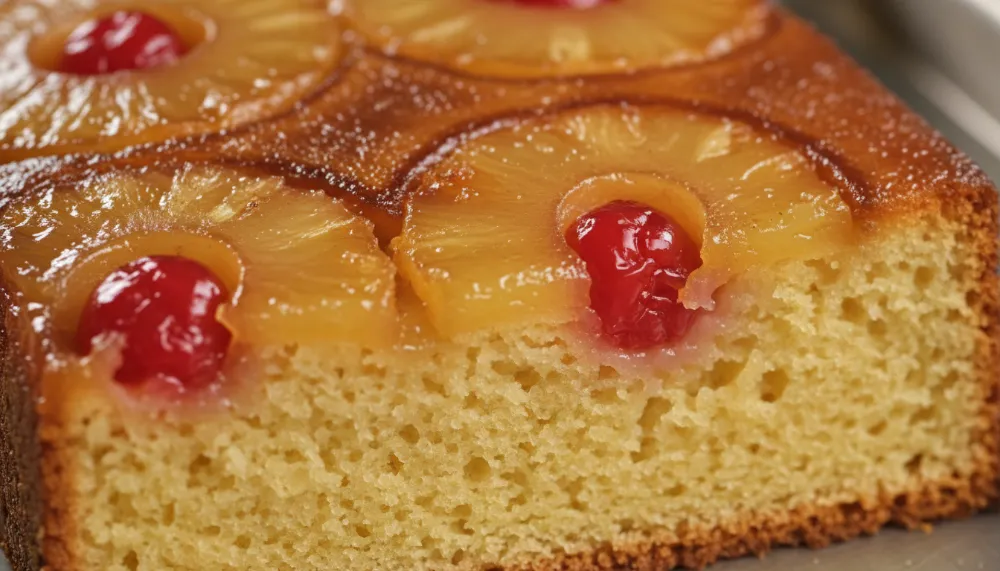
The most nerve-wracking moment for any baker is the final flip. If you wait too long, the caramel will harden and stick to the pan. If you flip too soon, the delicate cake may break apart under the weight of the fruit. The “sweet spot” is typically 10 minutes after the cake comes out of the oven. This allows the structure of the cake to set while the sugar remains in a liquid state. Always run a thin offset spatula around the edges of the pan before inverting. If a pineapple slice does happen to stick to the pan, simply peel it off and place it back onto the cake, no one will ever know!
Essential Tools for the Perfect Cake
To achieve the best results, you need reliable kitchen equipment. Beyond the standard cake pan, here are some professional recommendations:
- Cuisinart 8 Cup Food Processor: Ideal for quickly prepping any fresh fruit or nuts you might want to add to your variations. Check it out here.
- Cosori 9-in-1 TurboBlaze Air Fryer: While not for baking the cake itself, this is perfect for roasting side garnishes or quickly drying out fresh pineapple slices if they are too juicy. See the Cosori Air Fryer.
- FoodSaver Vacuum Sealer: If you find yourself with extra pineapple slices or cherries, vacuum sealing them ensures they stay fresh for your next baking session without freezer burn. Get the FoodSaver here.
Frequently Asked Questions
Can I make this cake ahead of time?
Yes, though Pineapple Upside Down Cake is best served warm or on the day it is made. If you need to prepare it in advance, store it at room temperature for up to 24 hours. Reheat slightly in the oven before serving to soften the caramel.
Why is my cake soggy?
Sogginess usually comes from excessive moisture in the fruit. If using canned pineapple, make sure to pat the rings dry with a paper towel before placing them in the sugar-butter mixture. Also, ensure the cake is fully baked by using the toothpick test.
Can I use a different fruit?
Absolutely. While the pineapple is classic, this method works beautifully with sliced peaches, pears, or even apricots. The key is to ensure the fruit is sliced to a uniform thickness so it bakes evenly under the batter.