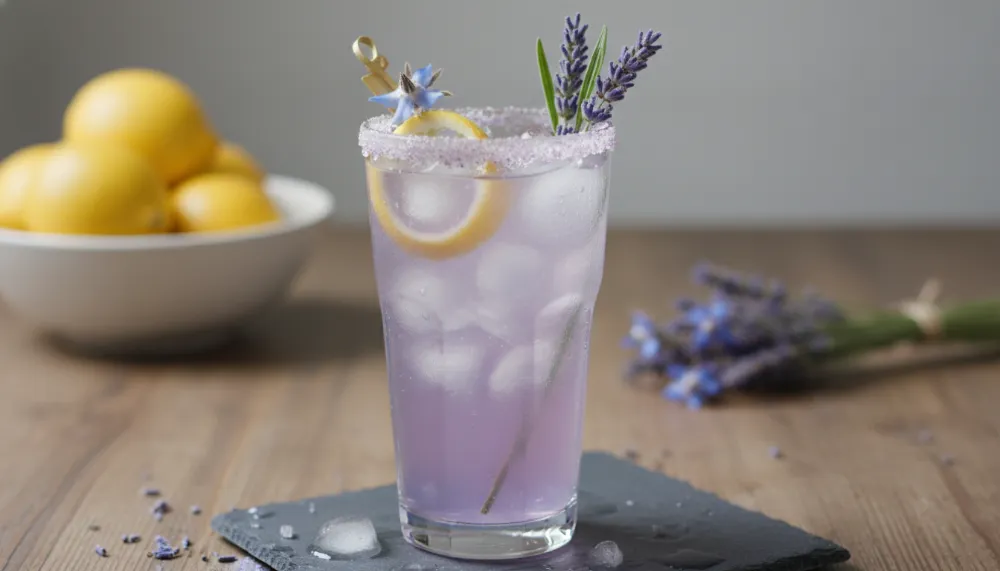
Indulge in the perfect balance of tart citrus and calming floral notes with this sophisticated Lavender Lemonade Mocktail. It is the ultimate non-alcoholic refreshment for any elegant gathering or a quiet afternoon of relaxation.
Signature Lavender Lemonade Mocktail
Ingredients
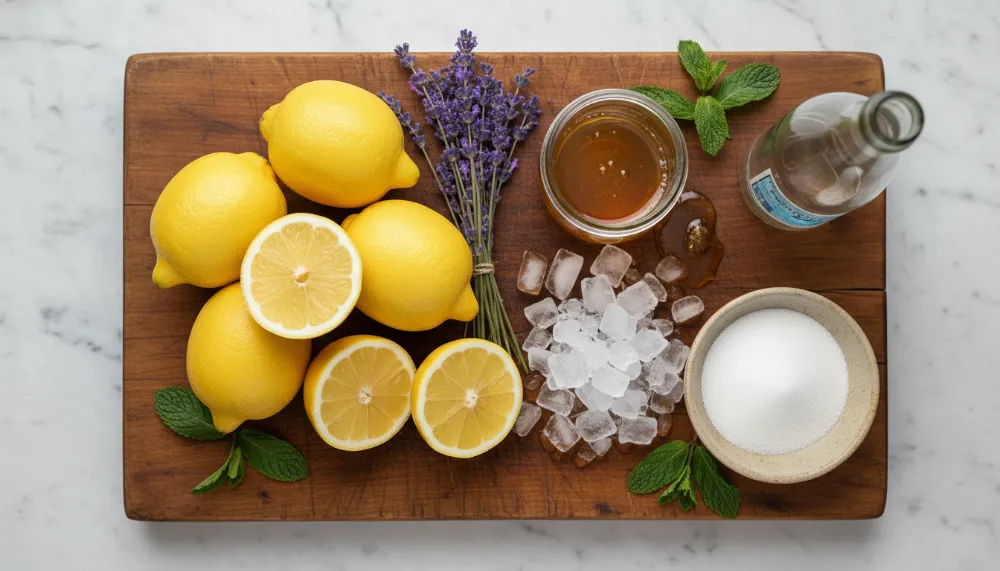
- 1 cup Freshly squeezed lemon juice (approx. 6-8 lemons)
- 3/4 cup Lavender Simple Syrup (recipe below)
- 4 cups Cold filtered water or sparkling mineral water
- 1 tbsp Dried culinary-grade lavender buds
- 1 cup Granulated sugar
- 1 cup Water (for syrup)
- QS Fresh lavender sprigs and lemon wheels for garnish
Instructions
- 1 In a small saucepan, combine 1 cup water, sugar, and dried lavender buds. Bring to a gentle simmer.
- 2 Stir until sugar is dissolved, then remove from heat. Let steep for 15-20 minutes.
- 3 Strain the syrup through a fine-mesh sieve to remove lavender buds. Chill completely.
- 4 In a large pitcher, combine the lemon juice, chilled lavender syrup, and 4 cups of water.
- 5 Stir well and taste. Adjust sweetness by adding more syrup if desired.
- 6 Serve over plenty of ice, garnished with a lemon wheel and a fresh lavender sprig.
The Art of the Lavender Lemonade Mocktail
The Lavender Lemonade Mocktail is more than just a drink, it is a sensory experience. It represents a shift in modern beverage culture where the focus has moved toward complex, botanical flavors that offer a sense of relaxation without the need for alcohol. Whether you are hosting a summer garden party or simply looking for a refreshing way to unwind after a long day, this drink offers a sophisticated profile that appeals to adults and children alike. The sharp, vibrant acidity of fresh lemons acts as the perfect canvas for the ethereal, aromatic quality of culinary lavender.
A Deep Dive into the History of Lavender
Lavender has been cherished for millennia, originating in the rugged landscapes of the Mediterranean, the Middle East, and India. Historically, its use was far more utilitarian than culinary. The ancient Romans, who arguably popularized its use throughout their empire, utilized lavender for its antiseptic properties and in their expansive public baths. In fact, the word lavender is derived from the Latin ‘lavare’, which translates to ‘to wash’.
By the time of the Renaissance, lavender had made its way into the royal courts of Europe. Queen Elizabeth I of England was a notable enthusiast, requesting lavender-infused jellies and teas to help alleviate her frequent migraines. During this era, lavender was also used to scent linens and ward off insects, but its potential as a flavor enhancer was only beginning to be explored in French and English country kitchens. The transition into the Lavender Lemonade Mocktail we recognize today took centuries, as sweeteners became more accessible and the cultivation of citrus expanded globally.
The Egyptian Origins of Lemonade
While we often associate lemonade with Americana and roadside stands, its origins are deeply rooted in the 12th century in Egypt. A physician named Ibn Jumayʿ wrote a comprehensive treatise titled ‘On Lemon, Its Drinking and Use’, which provided some of the first documented recipes for lemon-based beverages. These early versions were often mixed with honey and various herbs to create health-promoting elixirs. This historical foundation paved the way for the sophisticated infusions we enjoy today, such as the Lavender Lemonade Mocktail, which continues the tradition of blending medicinal herbs with refreshing citrus.
The Nutritional Profile of Lavender Lemonade
Beyond its incredible flavor, the Lavender Lemonade Mocktail offers several functional benefits. A standard 8-ounce serving typically contains between 40 to 120 calories, depending on the concentration of the simple syrup. The fresh lemon juice provides a significant boost of Vitamin C, often reaching 15% to 20% of the recommended daily value, which supports immune function and skin health.
The culinary lavender itself contains linalool and linalyl acetate. These chemical compounds are widely studied for their ability to reduce anxiety and improve sleep quality. While the amount in a single mocktail is relatively small, the aromatherapy provided by the fresh sprigs combined with the ingestion of the infusion creates a calming effect that is perfect for stress relief. Additionally, because this recipe is entirely free of alcohol and animal products, it fits seamlessly into a plant-based lifestyle without the need for specific dietary labels.
Professional Flavor Variations
If you wish to elevate your Lavender Lemonade Mocktail, consider these professional variations used by world-class mixologists:
- The Woodland Profile: Add a sprig of fresh rosemary or thyme to your syrup while it steeps. This adds an earthy, savory undertone that grounds the floral sweetness of the lavender.
- The Berry-Lavender Bramble: Muddle fresh blueberries or blackberries at the bottom of the glass before pouring in the lemonade. This creates a stunning ombre effect and adds a deep, tannic complexity to the drink.
- Effervescent Elegance: Instead of still water, use high-quality club soda or a sparkling botanical water. To achieve the perfect consistency, use the Ninja BN751 Professional Plus DUO Blender (https://amzn.to/3LCDyNR) to create a frozen slushy version, which is incredibly popular during the peak of summer.
- The Smoked Garnish: Briefly torch a dried lavender sprig before placing it in the glass. The smoke releases the essential oils and provides a campfire-like aroma that contrasts beautifully with the cold, tart drink.
Essential Tools for Mocktail Perfection
Creating a high-quality Lavender Lemonade Mocktail requires more than just ingredients, it requires the right tools. For those who enjoy making large batches of fresh citrus juice, the Cuisinart 8 Cup Food Processor (https://amzn.to/47Nhbg8) is an essential tool for prepping lemon zest or even processing lavender into a fine powder for specialized garnishes.
If you prefer to dry your own lavender from your garden, the Cosori 9-in-1 TurboBlaze Air Fryer 6 Qt (https://amzn.to/4hRWmVq) is surprisingly effective for quick-drying herbs at low temperatures. This ensures your lavender remains vibrant and aromatic rather than brittle and flavorless.
Storage and Preparation Tips
One of the best ways to enjoy this Lavender Lemonade Mocktail frequently is to prepare the lavender syrup in advance. You can store your homemade syrup in the Rubbermaid Brilliance Glass Storage Set of 9 (https://amzn.to/4oD0YkY), which features leak-proof lids that prevent the syrup from absorbing any refrigerator odors. For those who want to buy lemons in bulk when they are in season, using the FoodSaver Vacuum Sealer Machine (https://amzn.to/4qWgVnS) to freeze lemon juice portions or zest ensures that you always have fresh ingredients on hand for your next mocktail creation.
The Science of Scent and Taste
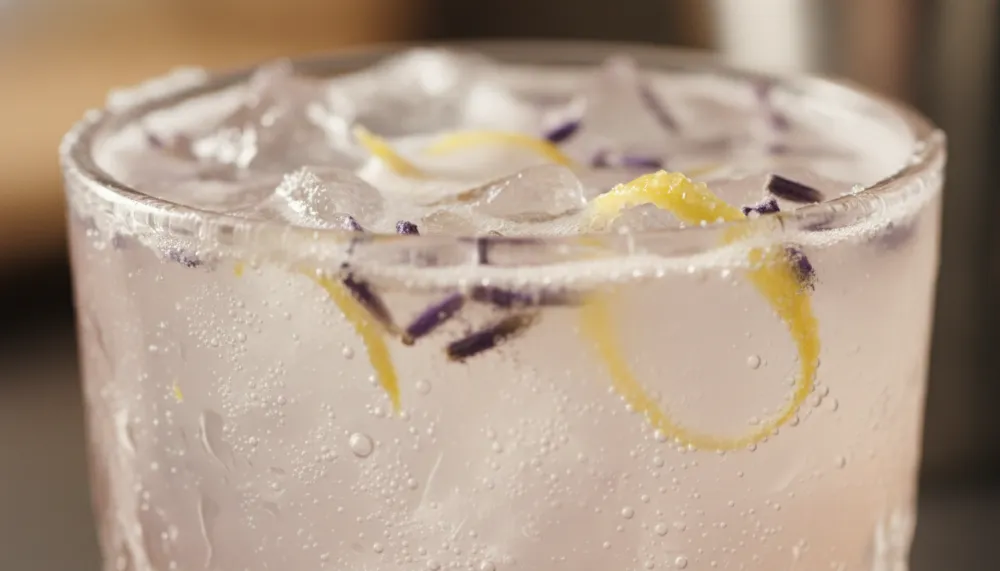
The reason the Lavender Lemonade Mocktail works so well is due to the science of flavor pairing. Lemons are highly acidic and contain a terpene called limonene. Lavender contains linalool. Both of these compounds are found in citrus fruits and herbs, which means they share a common chemical bridge. When you combine them, the brain perceives the flavor as harmonious rather than clashing. This is why lavender and lemon are often paired in soaps, candles, and high-end perfumes, the transition to the palate is a natural evolution of this aromatic partnership.
Frequently Asked Questions
Can I use lavender essential oil instead of dried buds? It is generally recommended to use culinary-grade dried lavender buds. Essential oils are extremely concentrated and can often lead to a ‘soapy’ taste if not measured with extreme precision. The dried buds provide a more nuanced and controlled flavor profile.
Is this mocktail suitable for children? Absolutely! It is a fantastic, low-caffeine, and caffeine-free alternative to sodas and iced teas. Children often enjoy the unique color and the fun of having a ‘fancy’ drink.
How long does the lavender syrup last? When stored in an airtight container like the Rubbermaid Brilliance sets mentioned above, the syrup will stay fresh in the refrigerator for up to two weeks.