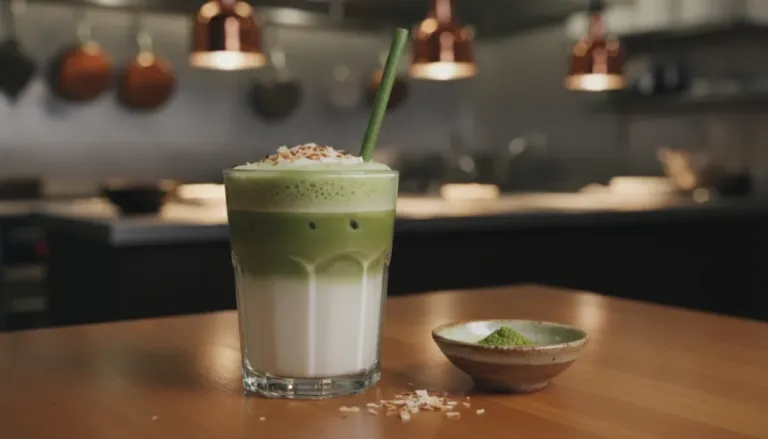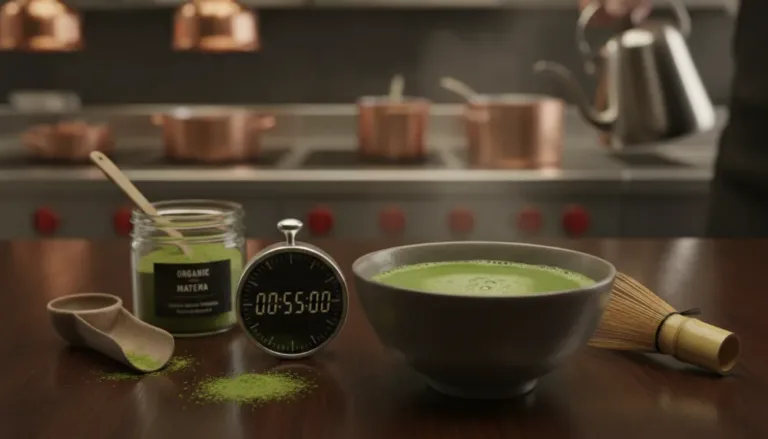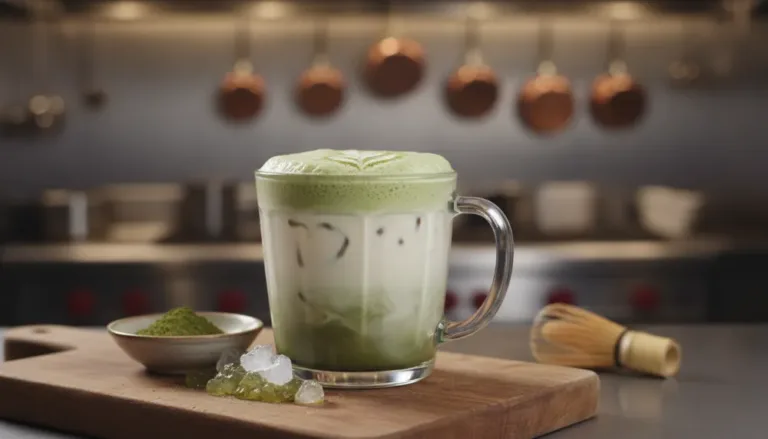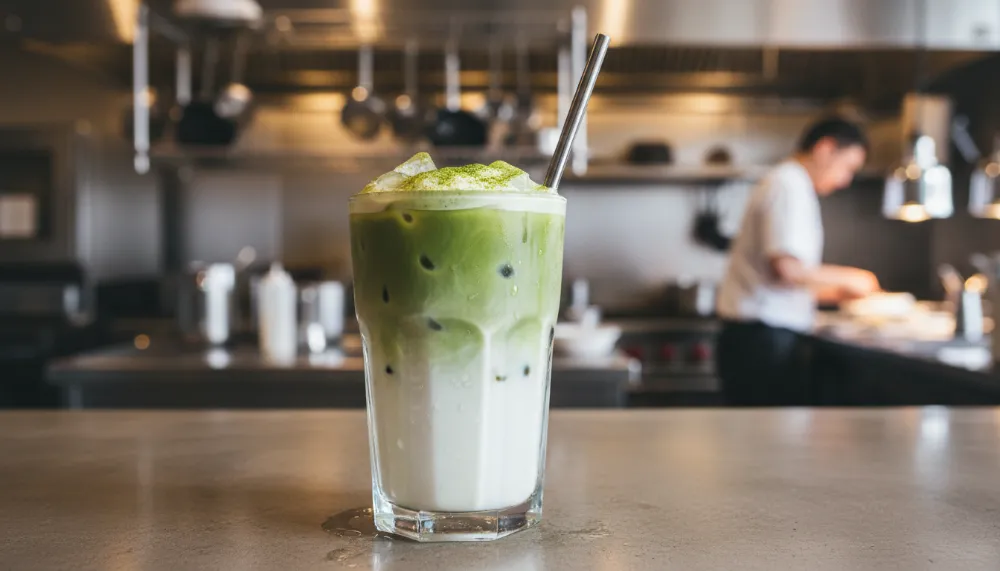
Experience the vibrant energy and creamy texture of a perfectly balanced Iced Matcha Latte, a refreshing beverage that bridges ancient traditions and modern luxury. This guide unveils the professional secrets to achieving a smooth, lump-free consistency while exploring the profound history of this green tea powerhouse.
The Ultimate Iced Matcha Latte
Ingredients
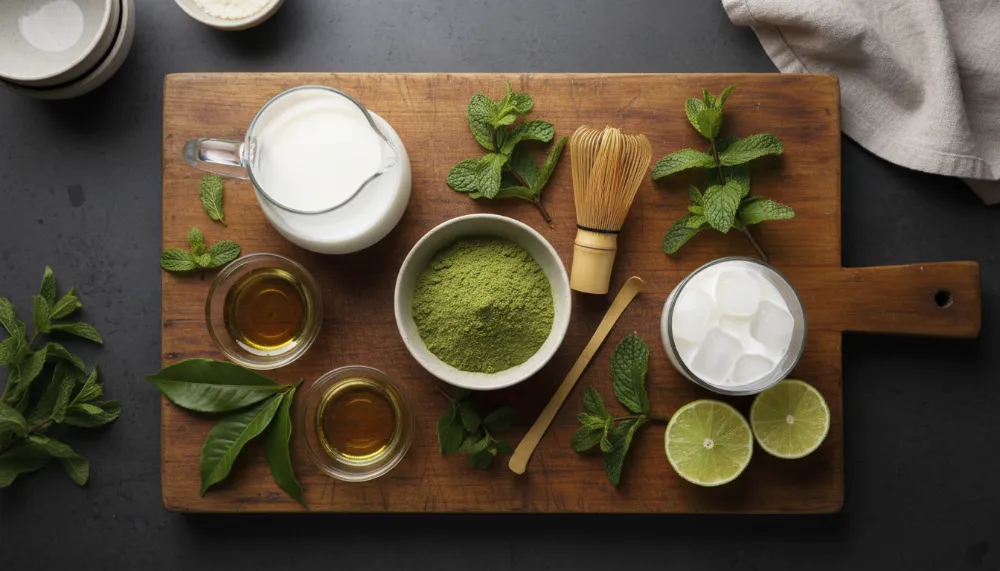
- 1 1.5 teaspoons Ceremonial Grade Matcha Powder
- 2 2 tablespoons hot water (175°F / 80°C)
- 3 1 cup milk of choice (Oat, Coconut, or Dairy)
- 4 1 to 2 teaspoons Maple Syrup or Honey
- 5 1 cup large ice cubes
- 6 1/4 teaspoon alcohol-free vanilla bean paste (optional)
Instructions
- 1 Sift the matcha powder through a fine-mesh sieve into a small bowl to remove any clumps.
- 2 Add the hot water (not boiling) and whisk vigorously in a “W” motion until a thick, frothy paste forms.
- 3 Stir in your sweetener of choice and the vanilla bean paste into the warm matcha concentrate.
- 4 Fill a tall glass with ice cubes and pour in the cold milk until the glass is three-quarters full.
- 5 Slowly pour the whisked matcha over the milk to create a beautiful layered effect, then stir gently before drinking.
The Ancient Lineage of the Iced Matcha Latte
To truly appreciate the Iced Matcha Latte, one must look back over a millennium. The story of matcha begins in Tang Dynasty China, where tea leaves were steamed and compressed into bricks for transport and trade. This method allowed for preservation, but it was the Japanese who refined the cultivation and preparation into the high art form we recognize today. In 1191 AD, the Zen Buddhist monk Eisai returned to Japan from China, bringing with him tea seeds and the knowledge of powdered tea preparation. He famously declared tea to be a medicinal miracle for the maintenance of health, setting the stage for centuries of devotion to the green powder.
Over the subsequent centuries, the Japanese developed the *Chanoyu*, or the Way of Tea. This ritualized ceremony emphasized harmony, respect, purity, and tranquility. The tea was shade-grown to increase chlorophyll levels and then stone-ground into an impossibly fine powder. The transition from a hot, ceremonial drink to the modern Iced Matcha Latte represents a global fusion. As coffee culture expanded in the late 20th century, baristas began experimenting with traditional ingredients, realizing that the concentrated umami and earthy sweetness of matcha paired perfectly with the creaminess of milk and the crispness of ice.
Nutritional Science: Calm Alertness and Antioxidants
The Iced Matcha Latte is not just a treat for the palate, it is a powerhouse of nutrition. Unlike coffee, which often leads to a sharp spike and subsequent crash in energy, matcha contains a unique combination of caffeine and the amino acid L-theanine. This duo creates what health experts call “calm alertness,” where the L-theanine slows the absorption of caffeine, providing a sustained energy boost without the jitters. A standard 16 oz serving made with high-quality ingredients contains approximately 120 to 190 calories, depending heavily on the choice of sweetener and milk.
The most celebrated component of the Iced Matcha Latte is its high concentration of EGCG (Epigallocatechin Gallate). This potent catechin is known for its metabolism-boosting properties and its ability to support cellular health by fighting free radicals. Because you are consuming the entire leaf in powdered form, rather than just the infusion, you receive up to 137 times more antioxidants than you would from a standard cup of steeped green tea. Furthermore, the high chlorophyll content, resulting from the shade-growing process, acts as a natural internal cleanser, supporting the body’s detoxification pathways.
Sourcing the Right Matcha: Ceremonial vs. Culinary
The success of your Iced Matcha Latte depends entirely on the quality of your powder. There are two primary grades of matcha: Ceremonial and Culinary. For an iced latte, Ceremonial grade is highly recommended. It is made from the youngest tea leaves, which are stone-ground to a fine, silk-like texture. It possesses a vibrant, electric green color and a naturally sweet, delicate flavor. Culinary grade, while excellent for baking, tends to be more bitter and has a duller, brownish-green hue that can result in a less appealing beverage. To maintain freshness, always store your matcha in a cool, dark place, ideally in an airtight container within the refrigerator, as heat and light quickly oxidize the powder and ruin its flavor profile.
Essential Tools for Barista-Quality Results
While you can make an Iced Matcha Latte with basic kitchen tools, using professional equipment ensures a superior texture. For those who enjoy a variety of beverages, the Ninja BN751 Professional Plus DUO Blender is a fantastic investment. Its 1000W motor is not only perfect for blending large batches of matcha but also for creating the perfectly smooth fruit purees often found in specialty variations. If you are making your own nut milks to pair with your latte, the Cuisinart 8 Cup Food Processor is essential for quickly processing soaked nuts into a creamy base.
For keeping your ingredients fresh, the FoodSaver Vacuum Sealer Machine is a game-changer. It helps prevent the oxidation of delicate powders and keeps additives like dried lavender or special tea blends at their peak potency. Additionally, if you find yourself prepping matcha concentrates in advance, the Rubbermaid Brilliance Glass Storage Set offers leak-proof, stackable solutions that keep your fridge organized and your matcha fresh for up to 24 hours.
Professional Variations to Elevate Your Drink
Once you have mastered the basic Iced Matcha Latte, you can begin experimenting with professional-grade variations that add complexity and visual flair. Many high-end cafes now offer fruit-layered versions. The **Strawberry Matcha** is particularly popular, where a reduction of fresh strawberries is placed at the bottom of the glass before adding ice, milk, and the green tea layer. This creates a stunning tricolor effect that is as delicious as it is photogenic. For a tropical twist, substitute dairy with coconut milk and add a splash of mango nectar to the base.
Another sophisticated variation is the **Miso-Caramel Matcha**. By whisking a small amount of white miso into a homemade caramel sauce, you enhance the natural umami notes of the tea, creating a savory-sweet balance that is incredibly addictive. Floral infusions also pair beautifully with the grassy notes of the tea. A lavender-infused simple syrup, made without any alcohol, provides a calming aroma that complements the L-theanine in the matcha. For a warming contrast to the cold temperature, try adding a touch of fresh ginger juice or honey, which adds a sharp, bright finish to the drink.
The Importance of Water Temperature
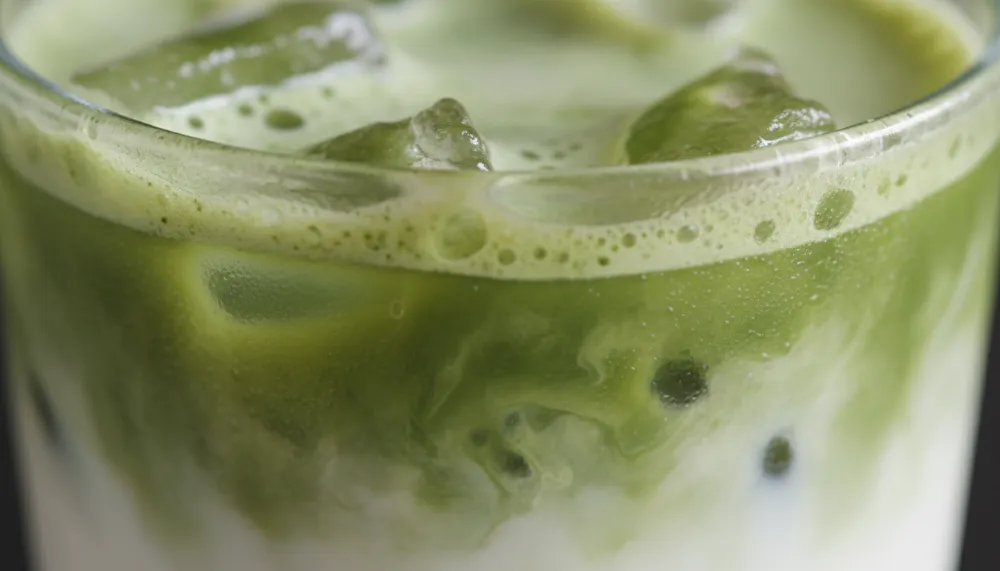
One of the most common mistakes when making an Iced Matcha Latte is using boiling water to whisk the powder. Boiling water scorches the delicate tea leaves, resulting in a bitter, astringent taste that masks the natural sweetness of the ceremonial grade powder. Ideally, your water should be around 175°F (80°C). If you don’t have a temperature-controlled kettle, simply let boiling water sit for about two minutes before pouring it over your sifted matcha. This ensures you extract the full range of flavor without the bitterness.
Mastering the Froth: The Whisking Technique
The texture of a truly great Iced Matcha Latte comes from the suspension of the powder in the water. Professionals use a *Chasen*, a traditional bamboo whisk, to create a micro-foam. The key is to use a vigorous “W” or “M” motion with your wrist, rather than a circular motion. This movement aerates the tea and breaks up any remaining microscopic clumps, resulting in a creamy, emerald-green concentrate that integrates flawlessly with cold milk. If you do not have a bamboo whisk, a handheld electric milk frother is a modern alternative that achieves similar results in seconds.
Long-Term Storage and Meal Prep Tips
While an Iced Matcha Latte is best enjoyed fresh, you can streamline your morning routine by prepping a matcha concentrate. Whisk a larger batch of matcha and water, and store it in your Rubbermaid Brilliance Glass containers for up to 24 hours. Some enthusiasts even freeze matcha into ice cubes using a tray. This prevents your drink from becoming watered down as the ice melts, ensuring every sip is as potent as the first. When preparing your vegetables or fruit for variations, the Cosori 9-in-1 TurboBlaze Air Fryer can be used to dehydrate citrus wheels for a professional garnish that adds a subtle citrus aroma to the finished beverage.