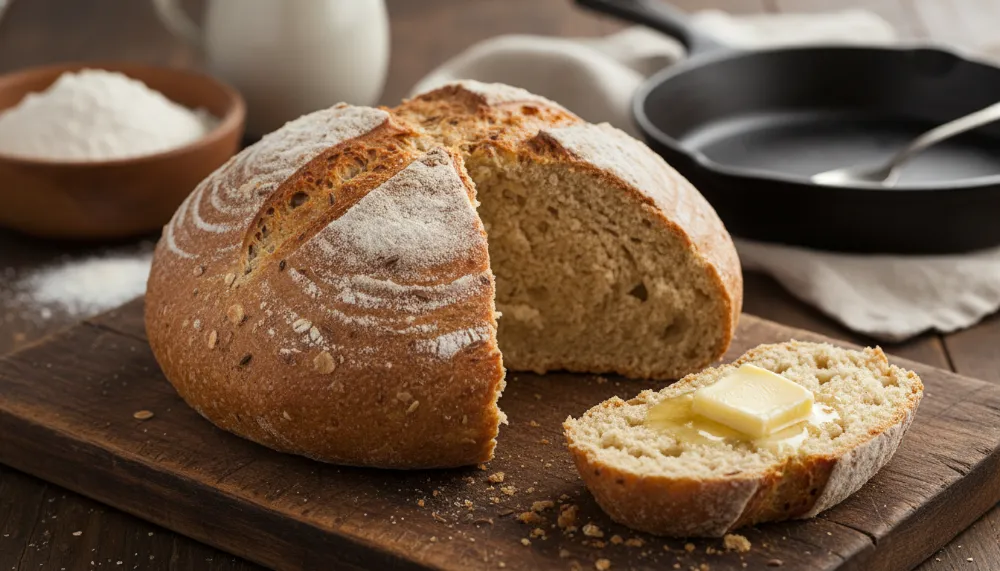
Traditional Irish Soda Bread is a rustic, hearty staple that brings the warmth of an Irish kitchen to your home using simple ingredients and a fascinating chemical reaction. This timeless recipe produces a thick crust and a dense, tender crumb that is perfect for soaking up stews or enjoying with a thick slab of salted butter.
Traditional Irish Soda Bread
Ingredients
- 4 cups All-Purpose Flour (plus extra for dusting)
- 1 teaspoon Baking Soda
- 1 teaspoon Sea Salt
- 1.75 cups Cold Buttermilk
- Optional: 2 tablespoons Cold Butter (cubed)
Instructions
- Preheat: Set your oven to 425 degrees Fahrenheit and lightly flour a baking sheet or seasoned cast-iron skillet.
- Dry Mix: In a massive mixing bowl, whisk together the flour, baking soda, and salt. If using butter, rub it into the flour with your fingertips until it resembles coarse crumbs.
- Hydrate: Create a well in the center and pour in the buttermilk. Use a wooden spoon or your hand in a claw shape to gently bring the dough together. Do not overwork it.
- Shape: Turn the shaggy dough onto a floured surface. Shape into a round loaf about 1.5 inches thick.
- Score: Use a sharp knife to cut a deep cross into the top of the dough, extending to the sides. This lets the bread expand and, according to legend, lets the fairies out.
- Bake: Place in the oven for 30 to 45 minutes. The bread is done when the crust is golden and the bottom sounds hollow when tapped.
- Rest: Wrap the hot bread in a clean tea towel to keep the crust from getting too hard.
The Fascinating History of Traditional Irish Soda Bread
Traditional Irish Soda Bread is far more than just a quick loaf, it is a symbol of resilience and ingenuity that dates back to the early 19th century. While the concept of using soda-like leavening agents was actually first recorded by Native Americans using pearl ash, the technique was perfected and popularized in Ireland around the 1830s. During this era, Ireland was a land of agricultural complexity and economic struggle. The Great Famine of 1845 to 1852 left much of the population in extreme poverty, making expensive yeast and commercial ovens unattainable for the average household. Families relied on four simple, accessible, and inexpensive ingredients: soft wheat flour, salt, baking soda, and sour milk, which we now know as buttermilk. Because Ireland’s climate was better suited for growing soft wheat, which has a lower gluten content than the hard wheat found in North America or Central Europe, yeast did not perform well. However, this soft flour was the perfect partner for a chemical leavening reaction. The immediate interaction between the alkaline baking soda and the acidic lactic acid in the buttermilk created carbon dioxide bubbles, allowing the bread to rise instantly without the need for long fermentation periods. Historically, many Irish homes lacked a proper oven, so the bread was baked in a bastible, a heavy cast-iron pot with a lid that sat over an open hearth. This method created the thick, signature crust and dense, satisfying interior that defines the bread today.
The Science Behind the Perfect Rise
Understanding the chemistry of Traditional Irish Soda Bread is the key to mastering its texture. Unlike sourdough or standard white bread, which rely on biological fermentation through yeast, soda bread is all about a rapid chemical reaction. The moment the buttermilk hits the baking soda, the leavening process begins. This is why professional bakers emphasize the importance of speed and a light touch. If you knead the dough too much, you will develop the gluten, which makes the bread tough and chewy rather than tender. Furthermore, over-mixing allows those precious carbon dioxide bubbles to escape, resulting in a flat, brick-like loaf. To achieve the perfect rise, ensure your buttermilk is cold and your baking soda is fresh. You should also consider using a food processor for initial mixing to keep the ingredients cool. We highly recommend the Cuisinart 8 Cup Food Processor: https://amzn.to/47Nhbg8 (Why Perfect: Fast chopping and slicing, meal prep essential) for those who want to integrate cold butter or herbs into their dough without the heat of their hands melting the fats. The goal is a shaggy dough that just barely holds together. Once the loaf enters the high heat of the oven, the gas expands rapidly, and the scoring on top allows the steam to escape, preventing the bread from cracking in irregular patterns. This process results in a loaf that is crusty on the outside and wonderfully moist on the inside.
Professional Variations and Flavor Profiles
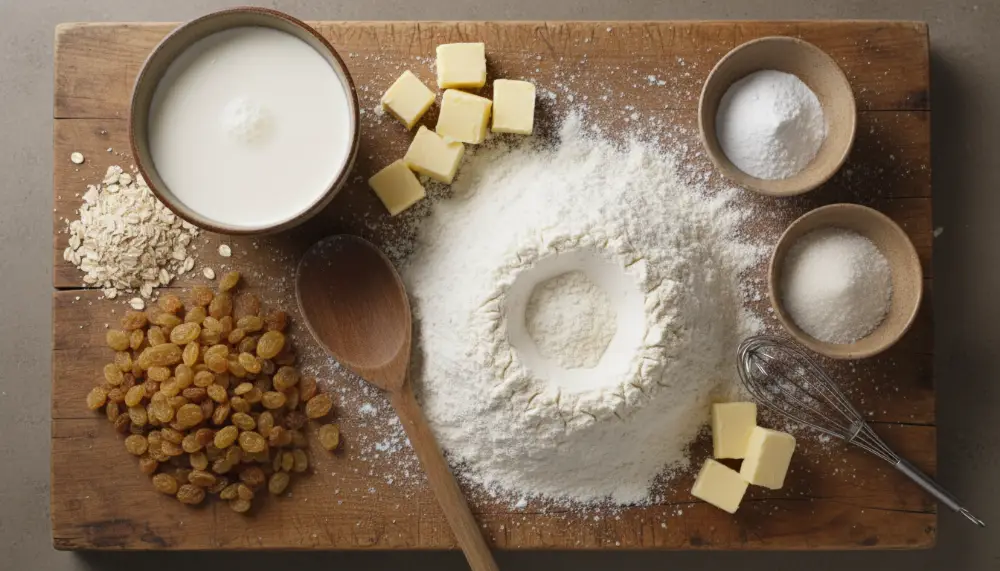
While the classic four-ingredient recipe is a masterpiece of simplicity, professional chefs often introduce variations to suit different palates. In the world of savory baking, many people look for the salty, smoky flavor of bacon. Since we strictly avoid pork, a fantastic professional alternative is using finely diced, salt-cured beef brisket or corned beef. This provides that essential savory punch without violating dietary restrictions. Another excellent option is to add aged sharp cheddar cheese and fresh chives. If you are looking for a smoky profile, consider adding slivers of smoked chicken breast and a sprig of rosemary. For those who enjoy a bit of crunch, a seedy loaf using caraway seeds and toasted pumpkin seeds is a traditional favorite in many Irish provinces. When it comes to sweet variations, the Spotted Dog, also known as Railway Cake, is a beloved choice. This involves adding raisins or sultanas to the dough. To take it to a professional level, soak your raisins in warm apple juice or a mixture of water and a splash of malt vinegar to plump them up before mixing. This adds a burst of moisture to every bite. For a more modern twist, you can even add dark chocolate chunks, creating the Stripy Cat variation. If you need to prep large batches of these add-ins, the Ninja BN751 Professional Plus DUO Blender: https://amzn.to/3LCDyNR (Why Perfect: 1000W motor, perfect for tahini sauce and harissa paste) is an excellent tool for creating purees or spiced liquids to incorporate into your dough. For roasting seeds or vegetables to add to your bread, the Cosori 9-in-1 TurboBlaze Air Fryer 6 Qt: https://amzn.to/4hRWmVq (Why Perfect: Roasts chickpeas and vegetables perfectly, large family capacity) is a game-changer for the modern kitchen.

Essential Tips for the Best Irish Soda Bread
To ensure your Traditional Irish Soda Bread turns out perfectly every time, follow these expert tips. First, do not over-measure your flour. Use the scoop and level method to avoid packing the flour too tightly, which can lead to a dry loaf. Second, pay attention to the consistency of your dough. It should be sticky and a bit messy, if it looks like smooth pizza dough, you have likely added too much flour or worked it too hard. Third, the cross on top should be deep, at least half an inch to an inch. This is not just for decoration, it allows the center of the dense loaf to cook through. Fourth, if you find your crust is getting too dark before the center is done, tent the loaf with aluminum foil. Finally, the cooling process is crucial. Wrapping the loaf in a clean, slightly damp tea towel as it cools will soften the crust slightly, making it easier to slice without crumbling. For storing your bread and keeping it fresh for several days, the Rubbermaid Brilliance Glass Storage Set of 9: https://amzn.to/4oD0YkY (Why Perfect: Perfect for meal prep storage, leak-proof, stackable) is the gold standard. If you plan on making several loaves to save for later, using a FoodSaver Vacuum Sealer Machine: https://amzn.to/4qWgVnS (Why Perfect: Keeps ingredients fresh longer, prevents freezer burn) will allow you to freeze slices or whole loaves without losing that characteristic texture.
Substitutions for Modern Dietary Needs
In many modern recipes, you might see the addition of stout or ale to provide a dark color and a malty depth of flavor. Since we do not use alcohol in our kitchen, there are brilliant professional substitutions that offer the same complexity. To mimic the deep, slightly bitter notes of a stout, use a combination of strong beef broth and a tablespoon of black treacle or molasses. This provides a rich, dark hue and a savory undertone that pairs beautifully with the tangy buttermilk. Another option is to use cooled, concentrated black coffee, which adds an earthy bitterness that enhances the brown sugar or molasses in a brown soda bread recipe. If you are looking for that fermented tang typically provided by beer, a mixture of apple juice and a teaspoon of malt vinegar works wonders. For those who cannot find buttermilk, you can make a quick substitute by adding a tablespoon of lemon juice or white vinegar to a cup of regular milk and letting it sit for five minutes. This creates the necessary acidity to react with the baking soda, though the texture may be slightly lighter than bread made with traditional thick buttermilk.
Nutritional Profile of Irish Soda Bread
Traditional Irish Soda Bread is a nutrient-dense food that provides sustained energy. A typical 100-gram serving, which is roughly two thick slices, contains approximately 250 to 290 calories. It is naturally low in fat, usually containing between 1.5 and 5 grams depending on whether you include butter or eggs. The carbohydrate count sits between 45 and 56 grams, making it an excellent source of fuel. It also provides a surprising amount of protein, usually 6 to 8 grams per serving, and is a good source of iron and calcium due to the flour and buttermilk. If you opt for a whole wheat or brown bread version, the dietary fiber increases significantly, aiding in digestion and providing a longer-lasting feeling of fullness. This bread is a far healthier alternative to many store-bought white breads that are loaded with preservatives and high-fructose corn syrup. By making it at home, you control every ingredient, ensuring a wholesome product for your family.