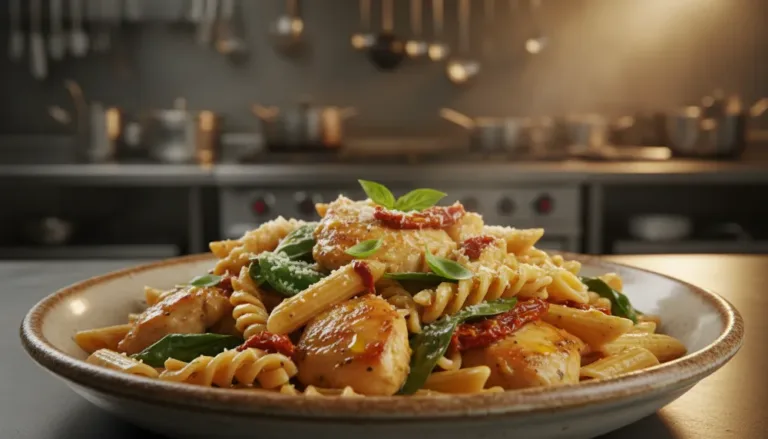
This Lemon Garlic Butter Shrimp Pasta is the ultimate weeknight luxury, combining succulent seafood with a velvety, citrus-infused sauce that rivals any high-end bistro. It is a masterclass in balancing rich butter with bright lemon, ensuring every strand of pasta is coated in pure liquid gold.
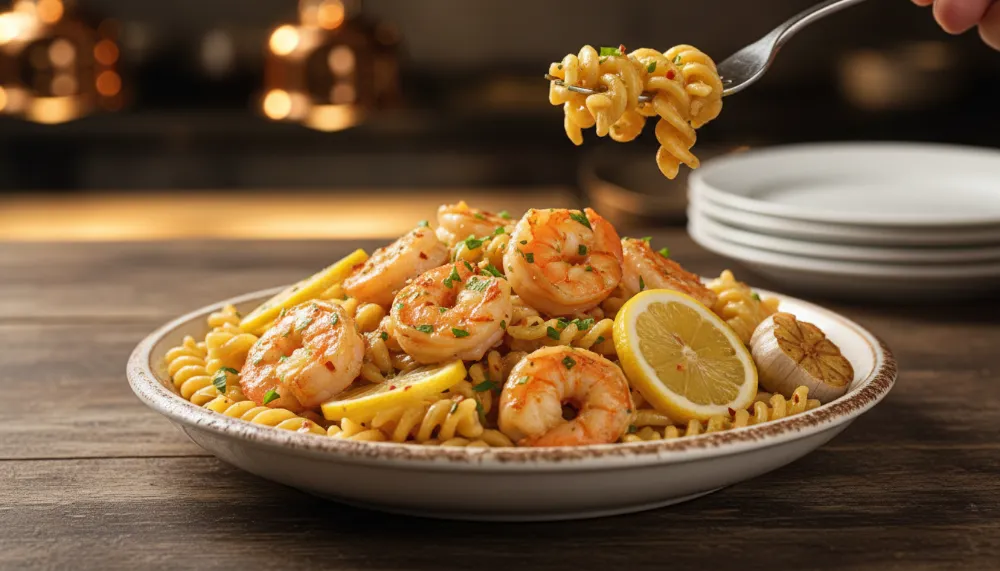
Lemon Garlic Butter Shrimp Pasta
Ingredients
- 1 lb Large Shrimp (peeled and deveined)
- 2 12 oz Linguine or Spaghetti
- 3 4 tbsp Unsalted Butter
- 4 6 cloves Garlic (minced)
- 5 1/2 cup Chicken Broth
- 6 2 tbsp Fresh Lemon Juice
- 7 1/2 tsp Red Pepper Flakes
- 8 1/4 cup Fresh Parsley (chopped)
- 9 Salt and Black Pepper to taste
Instructions
- 1 Boil a large pot of salted water and cook pasta until al dente. Reserve 1/2 cup of pasta water before draining.
- 2 Season shrimp with salt and pepper. In a large skillet, melt 1 tbsp butter over medium-high heat.
- 3 Cook shrimp for 1-2 minutes per side until pink. Remove and set aside.
- 4 In the same skillet, add remaining butter and garlic. Sauté for 1 minute until fragrant.
- 5 Pour in chicken broth, lemon juice, and red pepper flakes. Simmer for 3 minutes to reduce slightly.
- 6 Toss the pasta and shrimp into the sauce. Add reserved pasta water as needed to reach desired consistency. Top with parsley.
The Historical Journey of Lemon Garlic Butter Shrimp Pasta
While we often think of Lemon Garlic Butter Shrimp Pasta as a quintessential Italian dish, its history is a fascinating tale of adaptation and migration. The dish finds its roots in the Mediterranean preparation known as scampi. In Italy, scampi refers specifically to the Nephrops norvegicus, a tiny, lobster-like crustacean found in the Adriatic Sea. These were traditionally sautéed in olive oil, garlic, and wild herbs, a simple preparation meant to highlight the sweetness of the fresh catch.
As Italian immigrants crossed the Atlantic to the United States, they found that the exact scampi of their homeland were unavailable. However, the coastal waters of the Americas were teeming with shrimp. Adapting to their new environment, these cooks substituted shrimp but kept the garlic-forward technique. Over time, the addition of butter (a nod to French culinary techniques like Meunière) and the inclusion of pasta transformed the appetizer into a hearty main course. By the mid-20th century, Lemon Garlic Butter Shrimp Pasta became a staple of Italian-American cuisine, bridging the gap between old-world simplicity and new-world abundance.
Anatomy of Ingredients: Sourcing the Best for Your Pasta
The success of any seafood dish relies heavily on the quality of its components. When making Lemon Garlic Butter Shrimp Pasta, the choice of shrimp is paramount. Look for “U-15” or “U-20” shrimp, meaning there are 15 to 20 shrimp per pound. These larger sizes remain succulent during the high-heat searing process, whereas smaller shrimp can quickly become rubbery and overcooked.
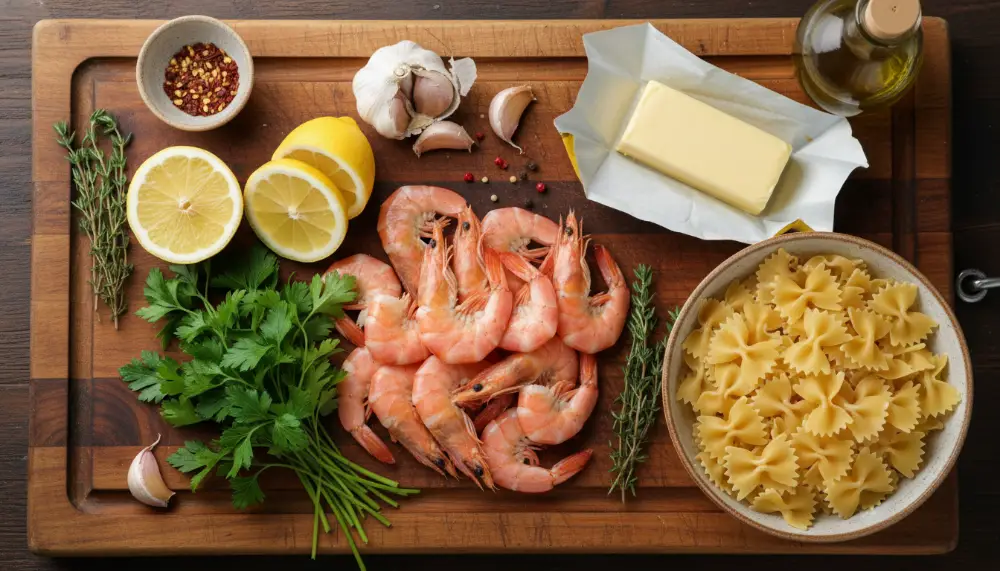
The Power of Aromatics: Garlic and Lemon
Garlic is not just a flavoring agent here; it is the backbone of the dish. For the best results, use fresh hardneck garlic. Hardneck varieties often have a more complex, spicy flavor that stands up well to the richness of the butter. Avoid pre-minced garlic in jars, as the preservation liquid alters the flavor and prevents the garlic from caramelizing properly. Similarly, fresh lemon juice is non-negotiable. Bottled juice lacks the bright, floral oils found in the zest and the sharp acidity necessary to cut through the lipids of the butter sauce.
The Science of the Perfect Emulsion
One of the most common mistakes in making Lemon Garlic Butter Shrimp Pasta is ending up with a “broken” sauce where the butter separates into a greasy layer. To prevent this, professional chefs utilize the science of emulsion. By reserving a small amount of the starchy pasta water, you create a bridge between the fats (butter) and the liquids (lemon juice and broth). The starches in the water act as a stabilizer, binding the sauce together into a glossy, uniform coating that clings to every strand of linguine.
Kitchen Essentials for Success
To achieve professional results, having the right tools is essential. High-quality appliances can significantly reduce prep time and ensure consistency:
- Ninja BN751 Professional Plus DUO Blender: https://amzn.to/3LCDyNR (Why Perfect: 1000W motor, perfect for creating smooth herb-infused oils or blending complementary sauces like a homemade tahini or harissa for side dishes).
- Cosori 9-in-1 TurboBlaze Air Fryer 6 Qt: https://amzn.to/4hRWmVq (Why Perfect: Ideal for roasting a side of asparagus or broccoli to serve alongside your pasta with a perfect char).
- Cuisinart 8 Cup Food Processor: https://amzn.to/47Nhbg8 (Why Perfect: Fast chopping and slicing for the large amounts of garlic and parsley required for this recipe).
- Rubbermaid Brilliance Glass Storage Set of 9: https://amzn.to/4oD0YkY (Why Perfect: Keeps leftover pasta fresh, leak-proof, and safe for reheating).
- FoodSaver Vacuum Sealer Machine: https://amzn.to/4qWgVnS (Why Perfect: If you buy shrimp in bulk, this ensures they stay fresh in the freezer without any risk of freezer burn).
Professional Flavor Variations (Pork-Free and Alcohol-Free)
Many traditional recipes call for white wine to deglaze the pan. However, you can achieve an even deeper flavor profile without it. Using a high-quality chicken broth provides a savory foundation that wine sometimes lacks. To replicate the acidity of wine, a splash of white wine vinegar or apple cider vinegar works wonders. This provides the necessary “bite” that balances the richness of the butter.
Furthermore, while some variations might include pancetta for saltiness, we can replace that with smoked beef strips. Dicing smoked beef and searing it until crisp before adding the shrimp adds a sophisticated smokiness that perfectly complements the sweetness of the seafood. This substitution ensures the dish remains robust and flavorful while adhering to specific dietary preferences.

Nutritional Profile: A Balanced Seafood Feast
Lemon Garlic Butter Shrimp Pasta is surprisingly nutrient-dense. Shrimp is a powerhouse of lean protein, providing all the essential amino acids without the high saturated fat content found in many red meats. It is also an excellent source of selenium, an antioxidant that supports heart health and thyroid function. When paired with fresh lemon, the Vitamin C content helps your body absorb the iron found in the shrimp and enriched pasta.
For those looking to manage carbohydrate intake, you can easily substitute traditional wheat pasta with zucchini noodles or chickpea-based pasta. This lowers the glycemic index of the meal while maintaining the signature flavors of the lemon garlic butter sauce. Using grass-fed butter also adds a source of fat-soluble vitamins like A, E, and K2, contributing to a more rounded nutritional profile.
The Art of the Sear: Perfecting the Shrimp
To get that golden-brown exterior on your shrimp without overcooking the inside, ensure your shrimp are bone-dry before they hit the pan. Use a paper towel to pat them down. When moisture is present, the shrimp will steam rather than sear, resulting in a rubbery texture. The pan should be hot enough that the butter is bubbling but not yet browning. Sear the shrimp in batches to avoid crowding the pan, which drops the temperature and leads to boiling rather than sautéing.
Customization and Serving Suggestions
This Lemon Garlic Butter Shrimp Pasta is incredibly versatile. For a spicy kick, increase the red pepper flakes or add a teaspoon of smoked paprika to the butter. If you prefer a creamier sauce, whisk in two tablespoons of heavy cream during the final simmering of the broth. For added texture, consider topping the finished dish with toasted breadcrumbs or a handful of toasted pine nuts.
When it comes to serving, a simple green salad with a light vinaigrette provides a refreshing contrast to the buttery pasta. Alternatively, a side of crusty artisan bread is perfect for mopping up the leftover sauce at the bottom of the bowl. Ensure your plates are warmed before serving to keep the sauce from thickening too quickly as it hits the table.
Common Mistakes to Avoid
One major pitfall is overcooking the pasta. Since the pasta will spend a minute or two tossing in the hot sauce, you should drain it when it is slightly undercooked (true al dente). Another mistake is adding the lemon juice too early. High heat can cause the lemon juice to lose its bright, citrusy notes, so it is best to add it toward the end of the sauce-making process to preserve its vibrancy.
Lastly, never rinse your pasta after cooking. The starch on the surface of the pasta is what allows the Lemon Garlic Butter Shrimp Pasta sauce to adhere. Rinsing it will make the noodles slippery, causing the sauce to pool at the bottom of the bowl rather than coating the food.