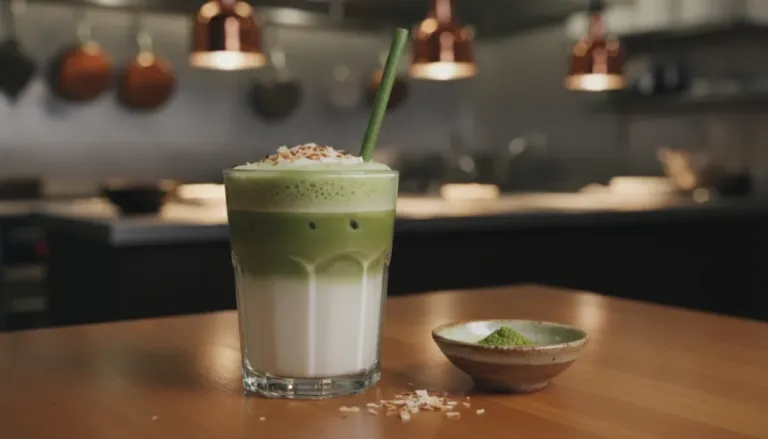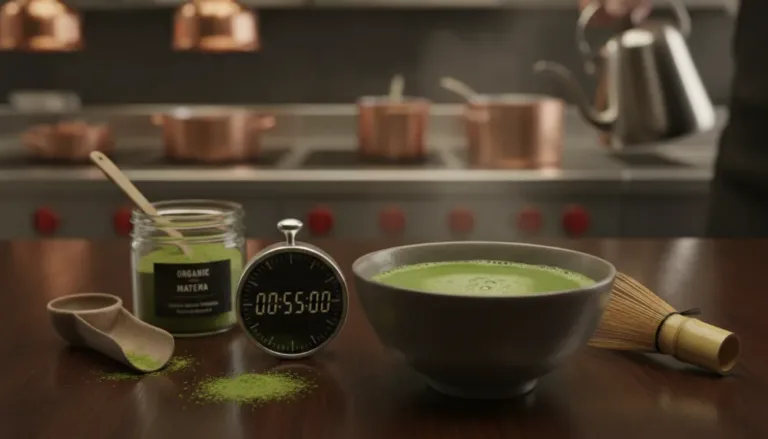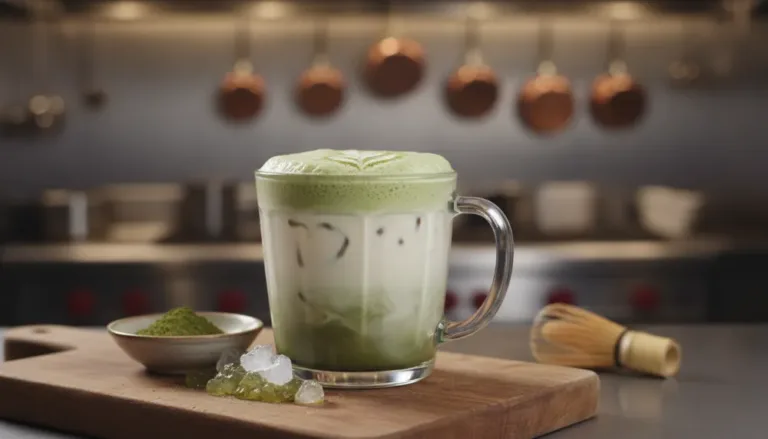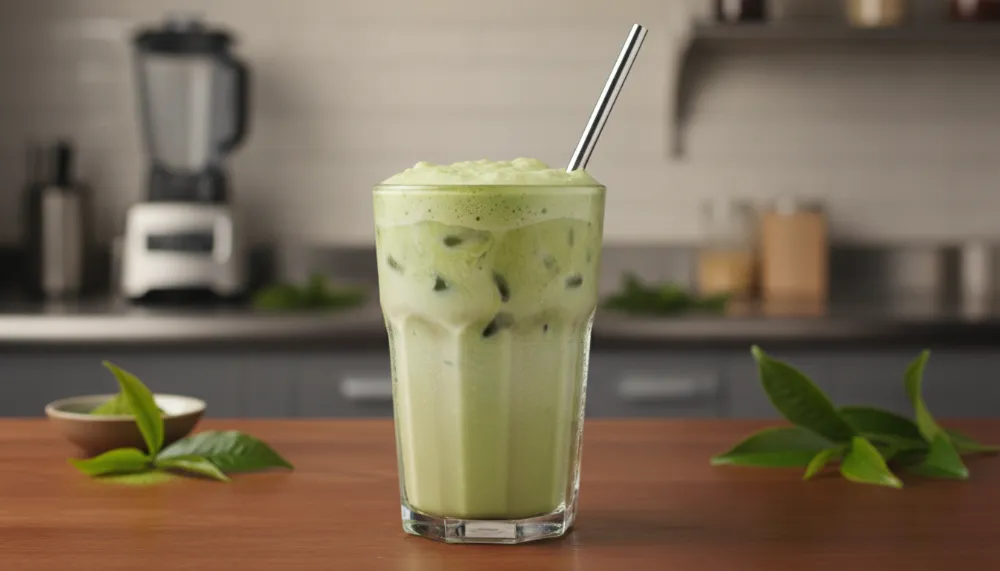
Experience the vibrant, earthy elegance of the Starbucks Matcha Copycat from the comfort of your own kitchen for a fraction of the price. This guide reveals the professional secrets to achieving that velvety, emerald-green texture and the perfect sweetness profile every time.
Starbucks Matcha Copycat Latte
Ingredients
- 1 1.5 teaspoons premium Japanese Matcha Powder
- 2 2 tablespoons Hot Water (175°F / 80°C)
- 3 1 cup Milk (2% whole milk, or oat milk for a creamy alternative)
- 4 1 tablespoon Liquid Sweetener (Vanilla syrup or cane sugar)
- 5 1 cup Ice (if making an iced version)
Instructions
- 1 Sift the matcha powder into a bowl to remove any lumps and ensure a smooth paste.
- 2 Add the hot (not boiling) water to the matcha and whisk vigorously using a bamboo whisk or milk frother until a thick, bubble-filled paste forms.
- 3 Stir in your choice of sweetener into the matcha concentrate while it is still warm.
- 4 For a Hot Latte: Steam and froth your milk, then pour it over the matcha base. For an Iced Latte: Fill a glass with ice, pour in the milk, and top with the matcha concentrate.
- 5 Give the drink a final gentle stir to create the iconic green swirl effect and enjoy immediately.
The Rich History and Evolution of the Starbucks Matcha Copycat
To truly master the Starbucks Matcha Copycat, one must understand the journey this beverage has taken from the tranquil tea rooms of Japan to the bustling street corners of the modern world. While matcha itself has been a staple of East Asian tea ceremonies for over a millennium, specifically originating from the celebrated Uji region of Japan, its transformation into a global cafe phenomenon is relatively recent. The commercial popularization of the matcha latte in Western markets is largely credited to its introduction at a major global coffeehouse chain in 2006. Initially, this drink was designed to bridge the gap between traditional tea culture and contemporary cafe preferences, offering a creamy, sweet alternative to the robust bitterness of espresso-based drinks.
For nearly two decades, the standard recipe used a pre-sweetened powder blend where sugar was the primary ingredient. This made it difficult for home cooks to recreate the exact flavor because the ratio of tea to sugar was locked into the powder. However, in early 2025, the formulation was updated to an unsweetened matcha powder sourced from premier tea growers in Japan. This pivotal change allowed for greater customization and a more authentic, earthy flavor profile. Today, when we craft a Starbucks Matcha Copycat, we are aiming for that sophisticated balance of umami, sweetness, and creaminess that defines the modern standard.
The Art of Shade-Grown Tea
What makes matcha different from regular green tea? It all comes down to the production method. The tea leaves are shade-grown for several weeks before harvest. By blocking out up to 90% of the sunlight, the plants are forced to produce massive amounts of chlorophyll and L-theanine. This process gives matcha its vibrant, glowing green color and its unique “mellow” caffeine boost, which provides energy without the jitters often associated with coffee. Once harvested, the leaves are steamed, air-dried, and stone-ground into the fine powder we use in our Starbucks Matcha Copycat.
Essential Kitchen Tools for the Perfect Matcha
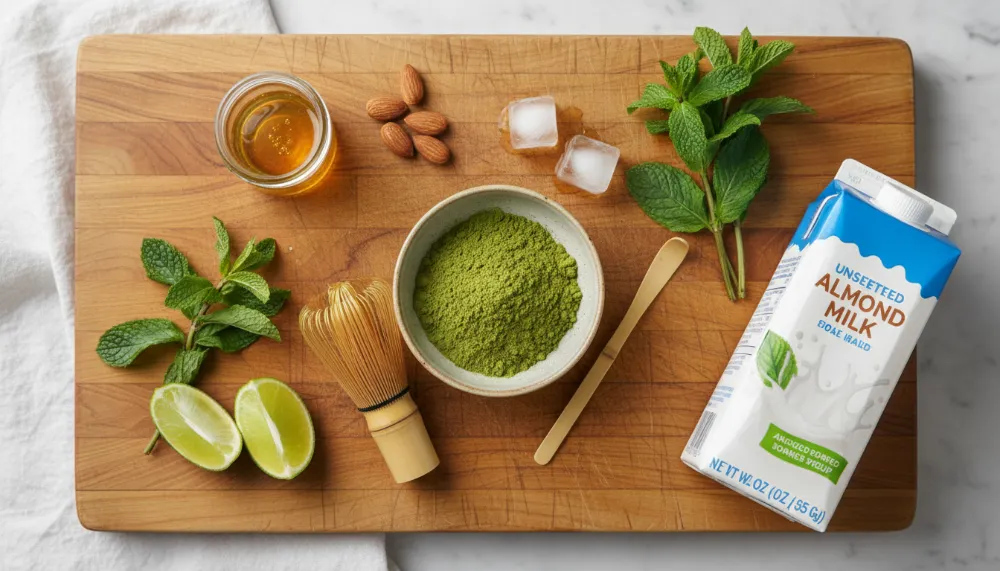
If you want your Starbucks Matcha Copycat to have that signature velvety texture, you need the right tools. Matcha is a suspension, not a solution, meaning the powder doesn’t actually dissolve in the water, it is suspended within it. Without proper agitation, your drink will end up gritty or clumped at the bottom. Here are the professional recommendations to elevate your beverage game:
- Ninja BN751 Professional Plus DUO Blender: https://amzn.to/3LCDyNR (Why Perfect: The 1000W motor is ideal for emulsifying matcha powder into cold milk for a Frappuccino-style drink or a perfectly smooth iced latte).
- Cuisinart 8 Cup Food Processor: https://amzn.to/47Nhbg8 (Why Perfect: Fast for bulk meal prepping dry matcha sugar mixes for future use).
- Rubbermaid Brilliance Glass Storage Set: https://amzn.to/4oD0YkY (Why Perfect: Matcha is highly sensitive to light and oxygen. These leak-proof, airtight glass containers keep your powder fresh and vibrant).
- Cosori 9-in-1 TurboBlaze Air Fryer 6 Qt: https://amzn.to/4hRWmVq (Why Perfect: While not for the tea itself, it roasts the chickpeas or snacks that pair perfectly with an afternoon tea break).
- FoodSaver Vacuum Sealer Machine: https://amzn.to/4qWgVnS (Why Perfect: If you buy matcha in bulk, vacuum sealing it prevents the oxidation that turns green tea brown and bitter).
Professional Flavor Variations and Secret Menu Hacks
Once you have mastered the basic Starbucks Matcha Copycat, you can begin to experiment with the “secret menu” variations that baristas and enthusiasts have developed. These professional-grade customizations expand the flavor profile far beyond the standard recipe, allowing you to tailor the drink to your specific mood.
Lavender Cream Matcha
One of the most popular modern variations is the Lavender Cream Matcha. This involves making an iced matcha latte and topping it with a floral, lavender-infused cold foam. The foam is created by aerating milk with a splash of lavender syrup, which creates a stunning purple-to-green aesthetic that is as delicious as it is Instagrammable.
Banana Bread Matcha
For a comforting, dessert-like experience, try the Banana Bread Matcha. This version combines the matcha base with brown sugar syrup instead of white sugar. It is then finished with a velvety banana-flavored cream foam and a sprinkle of caramel crunch topping. The result is a drink that tastes exactly like a freshly baked loaf of banana bread dipped in green tea.
Dubai-Inspired Pistachio Matcha
Inspired by a viral chocolate treat from the Middle East, this luxurious version adds pistachio-flavored syrup directly to the matcha whisking process. It is typically finished with a chocolate-infused cold foam and a drizzle of pistachio butter. The nuttiness of the pistachio perfectly complements the grassy notes of the tea.
Nutritional Deep Dive: Matcha Tea Latte vs. Frappuccino
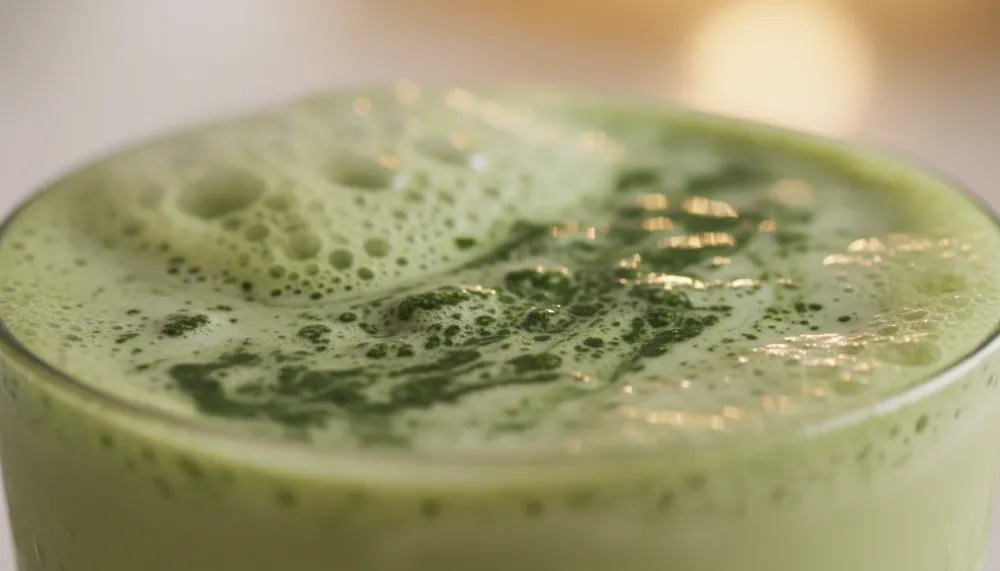
Understanding the nutritional composition of your Starbucks Matcha Copycat helps you make informed choices about your daily intake. Below is a comparison of the 16 oz (Grande) standards based on professional research data.
| Nutrient | Matcha Tea Latte (2% Milk) | Matcha Crème Frappuccino |
|---|---|---|
| Calories | 240 kcal | 320–430 kcal |
| Total Sugars | 32g | 45–61g |
| Protein | 7g (Veg-friendly) | 5g |
| Caffeine | 80mg | 65–70mg |
While the drink is naturally vegetarian, those looking to reduce sugar can easily swap the syrups for stevia or monk fruit in their Starbucks Matcha Copycat. For individuals avoiding dairy, almond and oat milk are the most common professional substitutes that maintain the creamy mouthfeel required for a high-quality latte.
Troubleshooting Your Homemade Matcha Latte
Even with the best ingredients, making a Starbucks Matcha Copycat at home can occasionally result in a less-than-perfect cup. Here is how to fix the most common issues:
Problem: My matcha is too bitter.
Solution: This usually happens if the water is too hot. Never use boiling water, as it scorches the delicate tea leaves. Aim for 175°F. Additionally, ensure you are using a “ceremonial grade” matcha for drinking, whereas “culinary grade” is better suited for baking.
Problem: There are clumps at the bottom of my glass.
Solution: Sifting is non-negotiable. Matcha powder is naturally electrostatic and will cling together. Sifting it through a fine-mesh strainer before adding water is the only way to ensure a smooth blend. If you are in a rush, a quick pulse in the Ninja blender will also do the trick.
Problem: The color is dull and yellowish.
Solution: Your matcha has likely oxidized. Matcha should be a bright, vibrant electric green. Store your powder in an airtight, opaque container in a cool, dark place to preserve its potency and hue.