
Experience the ultimate comfort food with this robust Winter Vegetable Curry, a dish that perfectly balances earthy seasonal produce with a rich, savory depth. This warming masterpiece is designed to soothe the soul during the coldest months while providing a nutritionally dense meal for the entire family.

Hearty Winter Vegetable Curry with Beef
20 MIN
60 MIN
6 PERS
Ingredients
- 1 1.5 lbs Beef chuck cubes
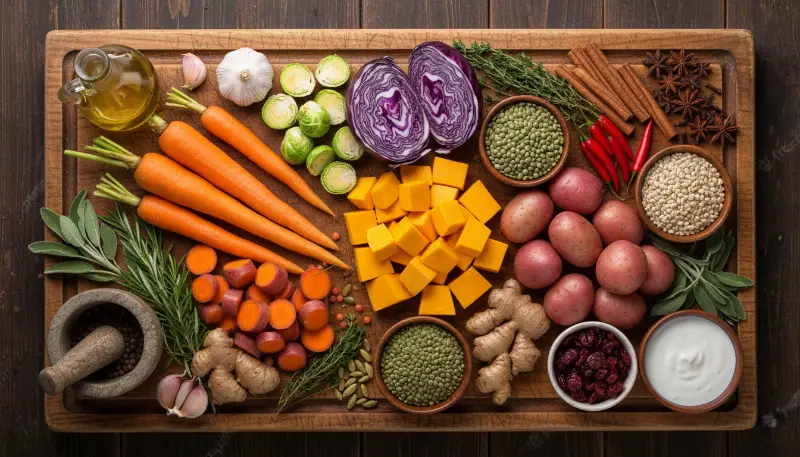
- 2 2 cups Butternut squash, cubed
- 3 2 large Carrots, sliced
- 4 2 medium Yukon Gold potatoes, chopped
- 5 1 large Onion, diced
- 6 3 cloves Garlic, minced
- 7 1 tbsp Fresh ginger, grated
- 8 2 tbsp Curry powder blend (Turmeric, Cumin, Coriander)
- 9 14 oz Can Coconut milk
- 10 1.5 cups Beef broth
- 11 2 tbsp Olive oil
- 12 1 cup Kale, chopped
Instructions
- 1 Heat olive oil in a large heavy pot and brown the beef cubes on all sides, then remove and set aside.
- 2 Sauté the diced onion, garlic, and ginger in the same pot until softened and aromatic.
- 3 Stir in the curry powder and cook for one minute before deglazing the pot with a splash of beef broth.
- 4 Add the beef back into the pot along with the potatoes and carrots, pouring in the remaining broth and coconut milk.
- 5 Simmer on low heat for 40 minutes, then add the butternut squash and cook for another 20 minutes until tender.
- 6 Stir in the kale until wilted and serve your hot Winter Vegetable Curry over steamed rice.
Why Winter Vegetable Curry is the Ultimate Seasonal Meal
When the temperature drops and the days grow shorter, our bodies naturally crave something substantial. A Winter Vegetable Curry is more than just a meal, it is a nutritional powerhouse designed to provide warmth from the inside out. The brilliance of this dish lies in its versatility. While many curries rely on summer produce like zucchini or tomatoes, the Winter Vegetable Curry focuses on the earthy, robust flavors of root vegetables and dense squash that are at their peak during the colder months.
By using seasonal produce, you are not only getting the best possible flavor but also the highest nutrient density. Carrots, parsnips, and potatoes are harvested late and stored through the winter, maintaining their sugars and starches which provide essential energy. When these are simmered slowly in a fragrant sauce, they absorb the complex spices, creating a symphony of taste that defines the classic Winter Vegetable Curry experience. Furthermore, this dish is an excellent way to introduce more plant-based fiber into your diet while still enjoying the rich protein of beef.
The Essential Components of a Perfect Winter Vegetable Curry
To create a truly exceptional Winter Vegetable Curry, one must understand the role of each ingredient. The base of the curry begins with the aromatics. Freshly minced ginger and garlic are non-negotiable, as they provide the medicinal warmth that helps ward off seasonal chills. Onions, when sautéed slowly, provide a natural sweetness that balances the heat of the spices. For those looking to streamline their prep, using a high-quality tool like the Cuisinart 8 Cup Food Processor can help you achieve the perfect dice on your aromatics in seconds, ensuring even cooking throughout the pot.
The choice of vegetables is the next critical step. In a Winter Vegetable Curry, you want a mix of textures. Starchy potatoes like Yukon Gold or Russets provide creaminess as they slightly break down, thickening the sauce naturally. Root vegetables like rutabagas and turnips offer a slightly bitter, peppery note that cuts through the richness of the coconut milk. Finally, butternut squash or pumpkin adds a velvety sweetness that ties all the savory elements together. This combination ensures that every bite of your Winter Vegetable Curry is unique and satisfying.
Beef: The Perfect Protein Replacement for a Richer Curry
While some recipes might call for other proteins, beef is the superior choice for a heavy Winter Vegetable Curry. Specifically, beef chuck or stew meat is ideal because it contains enough connective tissue to break down during a long simmer, resulting in fork-tender morsels that melt in your mouth. Unlike leaner meats, beef provides a deep, umami-rich foundation that stands up to the bold spices of a curry. It is important to remember that in this specific culinary tradition, we avoid pork entirely, making beef the go-to option for those seeking a hearty, meat-inclusive version of this seasonal dish.
To maximize the flavor of the beef in your Winter Vegetable Curry, searing is a vital step. When you brown the beef in a hot pan, you are initiating the Maillard reaction, which creates hundreds of flavor compounds that cannot be achieved through boiling alone. This caramelized crust adds a professional depth to the final sauce. If you are looking for a more modern approach to preparing your beef or even some of the vegetables, using the Cosori 9-in-1 TurboBlaze Air Fryer 6 Qt can be a game-changer. You can quickly roast the beef cubes or even crisp up some chickpeas to use as a garnish, adding a delightful crunch to your Winter Vegetable Curry.
Mastering the Spice Profile of Winter Curries
The “warming” effect of a Winter Vegetable Curry is largely due to the specific blend of spices used. Unlike the bright, citrusy curries of the summer, winter blends often lean heavily on “sweet” heat. Turmeric provides a vibrant golden color and anti-inflammatory benefits, while ground cumin and coriander offer earthy and citrusy undertones. For a truly authentic Winter Vegetable Curry, consider adding whole spices like a cinnamon stick or a couple of star anise pods during the simmering process. These release their oils slowly, infusing the broth with a complex aroma that fills the entire house.
If you prefer a smoother sauce or want to create your own curry paste from scratch, the Ninja BN751 Professional Plus DUO Blender is an incredible asset. Its 1000W motor can pulverize whole spices, fresh chilies, and ginger into a silky paste that serves as the heart of your Winter Vegetable Curry. Using fresh paste rather than pre-ground powder will elevate your dish to restaurant-quality status instantly. You can find more inspiration for spice blends and healthy meal planning at our sitemap.
The Science of Substitution: Flavor Without Alcohol
Many traditional stew and curry recipes suggest using wine to deglaze the pan or add acidity. However, a perfect Winter Vegetable Curry does not require alcohol to achieve a complex flavor profile. In fact, using non-alcoholic substitutes often results in a cleaner taste that allows the vegetables to shine. Beef broth is the most common 1:1 replacement for red wine, providing a savory backbone to the sauce. If you find your Winter Vegetable Curry needs a bit more acidity to balance the fats from the coconut milk, a splash of pomegranate or unsweetened apple juice works wonders. These juices provide the same tartness and sugar content as wine without the alcohol content.
Another excellent tip for boosting flavor in a non-alcoholic Winter Vegetable Curry is to use a tablespoon of tomato paste. When sautéed with the spices, the tomato paste caramelizes and adds a concentrated burst of umami and acidity. This technique, combined with the natural sweetness of the carrots and squash, ensures that your Winter Vegetable Curry is balanced and deeply flavorful. For more tips on healthy cooking without restricted ingredients, check out the resources available at Recette Healthy Facile.

Meal Prep and Storing Your Winter Vegetable Curry
One of the greatest benefits of making a large pot of Winter Vegetable Curry is that it often tastes even better the next day. As the dish sits, the spices continue to meld and the vegetables soak up the flavorful broth. This makes it an ideal candidate for meal prep. To keep your leftovers as fresh as the day they were cooked, investing in high-quality storage is essential. The Rubbermaid Brilliance Glass Storage Set of 9 is perfect for this purpose. These containers are leak-proof and stain-resistant, which is crucial when dealing with the bright turmeric of a Winter Vegetable Curry.
For those who want to prepare ingredients in advance, such as pre-chopping all those hardy root vegetables, the FoodSaver Vacuum Sealer Machine is a lifesaver. By vacuum sealing your prepped vegetables or even portions of the finished Winter Vegetable Curry, you can prevent freezer burn and extend the shelf life of your hard work. This allows you to have a healthy, warming meal ready to go on those busy weeknights when you don’t have time to cook from scratch. You can find more batch-cooking guides on our comprehensive sitemap.
Cooking Techniques: Stovetop vs. Slow Cooker
While the recipe card above focuses on the stovetop method, a Winter Vegetable Curry is incredibly adaptable. If you have a busy day ahead, you can easily transition this recipe to a slow cooker. Simply brown the beef and sauté the aromatics as directed, then transfer everything except the greens to your slow cooker. Cooking on low for 6-8 hours allows the beef to become exceptionally tender. However, the stovetop method remains the favorite for many because it allows for better control over the texture of the vegetables, ensuring the squash doesn’t become too mushy.
Regardless of the method, the key to a successful Winter Vegetable Curry is the simmering temperature. You want a gentle bubble, not a rolling boil. High heat can cause the coconut milk to separate and the beef to become tough. Patience is truly the secret ingredient when it comes to coaxing the most flavor out of your seasonal produce. If you are looking for more innovative ways to use your kitchen appliances for healthy meals, explore the latest posts at Healthy Easy Recipes.
Nutritional Benefits of This Seasonal Dish
The health benefits of a well-made Winter Vegetable Curry are vast. The variety of vegetables used ensures a wide spectrum of vitamins and minerals. Carrots and squash are rich in Beta-carotene, which the body converts to Vitamin A, essential for immune function during flu season. The inclusion of kale or spinach at the end adds Vitamin K and iron. Furthermore, the spices themselves, particularly ginger and turmeric, have been used for centuries in traditional medicine for their anti-inflammatory and digestive properties.
By opting for beef as your protein, you are also getting a high-quality source of B12 and zinc, which are vital for energy levels. When served with a whole grain like brown rice or quinoa, your Winter Vegetable Curry becomes a complete meal that provides sustained energy without a sugar crash. It is a perfect example of how comfort food can also be deeply nourishing and aligned with a health-conscious lifestyle.
Can I make this Winter Vegetable Curry vegetarian?
Yes, you can easily omit the beef and use extra hearty vegetables like cauliflower or chickpeas. Simply replace the beef broth with a high-quality vegetable broth to maintain the depth of flavor.
How can I make my curry sauce thicker?
If you prefer a thicker Winter Vegetable Curry, you can mash a few of the cooked potato chunks directly into the sauce. Alternatively, simmer the curry without a lid for the last 15 minutes of cooking to allow some of the liquid to evaporate.
What is the best way to reheat leftovers?
The best way to reheat Winter Vegetable Curry is on the stovetop over low heat. Add a splash of broth or water if the sauce has thickened too much in the fridge. This ensures the vegetables and beef heat through evenly without becoming rubbery in the microwave.
Can I use frozen vegetables?
While fresh seasonal produce is recommended for the best texture in a Winter Vegetable Curry, frozen vegetables can be used in a pinch. Add them during the last 15-20 minutes of cooking so they do not become overcooked and mushy.