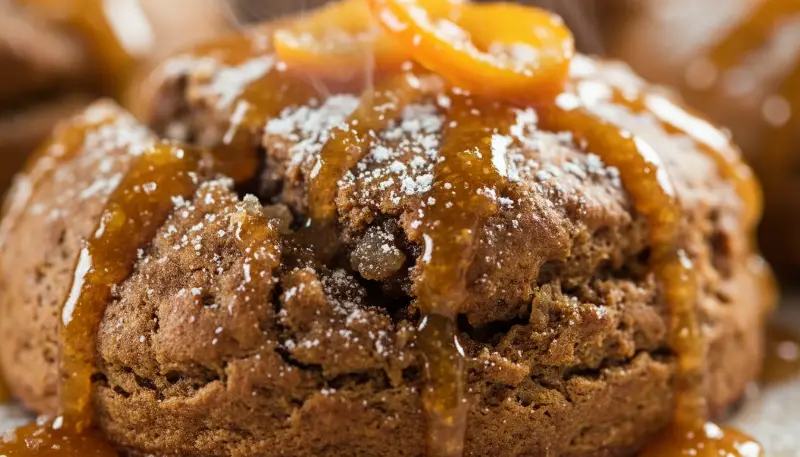
There is nothing quite like the aroma of Warm Gingerbread Scones with Orange Glaze wafting through your kitchen on a chilly morning. This recipe combines deep molasses and festive spices with a bright citrus finish for a truly unforgettable breakfast experience.
Warm Gingerbread Scones with Orange Glaze
20 MIN
20 MIN
8 PERS
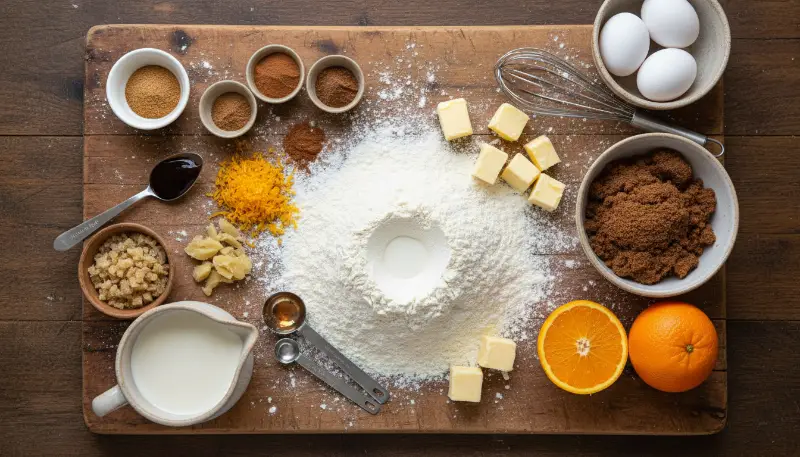
Ingredients
- 1 2 cups All-purpose flour
- 2 1/3 cup Dark brown sugar (packed)
- 3 1 tbsp Baking powder
- 4 1 tsp each: Ground ginger, Cinnamon, and 1/2 tsp Cloves
- 5 1/2 cup Cold butter or Cold Beef Tallow
- 6 1/4 cup Unsulfured molasses
- 7 1/2 cup Heavy cream (plus extra for brushing)
- 8 1 Large egg
- 9 1 cup Powdered sugar (for glaze)
- 10 3 tbsp Fresh orange juice
- 11 1 tsp Orange zest
Instructions
- 1 Preheat oven to 400°F and line baking sheet
- 2 Whisk flour, sugar, baking powder, and spices together
- 3 Cut cold fat into flour until coarse crumbs form
- 4 Whisk molasses, cream, and egg in a separate bowl
- 5 Fold wet into dry ingredients until just combined
- 6 Pat into a 1-inch thick circle and cut into 8 wedges
- 7 Bake for 18-20 minutes until golden
- 8 Whisk glaze ingredients until smooth
- 9 Drizzle glaze over warm scones and serve
The History and Appeal of Gingerbread Scones
Gingerbread has long been a staple of seasonal baking, dating back centuries to traditional European fairs where spiced cakes were a symbol of celebration. Transitioning this deep, earthy flavor profile into the format of a scone creates a sophisticated breakfast pastry that bridges the gap between a hearty biscuit and a decadent cake. The combination found in Warm Gingerbread Scones with Orange Glaze represents a masterclass in flavor balancing, the dark, somewhat bitter notes of unsulfured molasses are perfectly offset by the sharp, acidic sweetness of citrus. These scones are not merely for the winter months, they offer a comforting, aromatic experience that satisfies at any time of year.
Why the Orange Glaze is Non-Negotiable
When you bite into Warm Gingerbread Scones with Orange Glaze, the first thing your palate registers is the brightness of the citrus. While many traditional recipes might call for a simple vanilla icing or even an alcohol-based extract, our version utilizes pure, freshly squeezed orange juice. This choice is vital for two reasons. First, it ensures the recipe remains strictly free of alcohol, making it suitable for all guests. Second, the natural acids in the orange juice react with the sugar to create a glaze that cuts through the richness of the dough. The zest adds essential oils that provide a floral aroma, ensuring the scent of the Warm Gingerbread Scones with Orange Glaze is as enticing as their flavor. Using a Ninja BN751 Professional Plus DUO Blender to pulse your zest and juice together can create an even more infused, vibrant glaze.
The Secret Ingredient: Butter vs. Beef Tallow
To achieve the ultimate flaky texture in Warm Gingerbread Scones with Orange Glaze, the choice of fat is paramount. While unsalted butter is the standard, many artisanal bakers are returning to high-quality beef tallow. Chilled beef tallow provides a higher melting point than butter, which means it remains in solid pockets longer during the initial stages of baking. As these pockets eventually melt, they leave behind air gaps that create an incredibly tender, layered crumb. This substitution is particularly effective in gingerbread recipes, as the savory depth of the beef tallow enhances the complexity of the cloves and ginger. If you are using a Cuisinart 8 Cup Food Processor to cut your fat into the flour, you can achieve that perfect “pea-sized” consistency in seconds without the heat from your hands melting the fat.
Mastering the Scone Technique
Baking Warm Gingerbread Scones with Orange Glaze requires a gentle touch. The most common mistake in scone making is overworking the dough. When the liquid (cream, molasses, and egg) meets the dry ingredients, gluten begins to form. To keep the scones light and airy, you must stir only until the flour is moistened. The dough should look shaggy and almost unfinished before you turn it out onto your floured surface. This minimal handling ensures that the Warm Gingerbread Scones with Orange Glaze rise tall in the oven rather than becoming dense and heavy. For those looking to streamline the process, prepping your dry ingredients ahead of time and storing them in Rubbermaid Brilliance Glass Storage containers allows for a quick assembly on busy mornings.
The Role of Molasses in Texture and Color
Molasses is more than just a sweetener in Warm Gingerbread Scones with Orange Glaze. It is a humectant, meaning it attracts and retains moisture. This is why gingerbread baked goods often stay soft for longer than their white-sugar counterparts. The dark, unsulfured molasses also provides that iconic mahogany hue and a robust depth of flavor that granulated sugar simply cannot replicate. When combined with ground ginger and cinnamon, the molasses creates a chemical profile that is synonymous with comfort. To preserve the freshness of your molasses and other dry goods, using a FoodSaver Vacuum Sealer Machine can prevent oxidation and keep your pantry staples at peak potency for months.
Reheating and Storing Your Scones
While Warm Gingerbread Scones with Orange Glaze are undoubtedly best enjoyed fresh from the oven, they can be revived with ease. If you have leftovers, avoid the microwave, which can make the pastry rubbery. Instead, a few minutes in a Cosori 9-in-1 TurboBlaze Air Fryer at 300°F will crisp the edges while keeping the center soft and steaming. This method is particularly effective for the Warm Gingerbread Scones with Orange Glaze because the rapid air circulation helps the glaze slightly caramelize without burning the dough. For long-term storage, these scones freeze beautifully. Simply wrap them individually before the glaze is applied, then glaze them fresh after reheating.
Flavor Variations and Seasonal Twists
Once you have mastered the base recipe for Warm Gingerbread Scones with Orange Glaze, the possibilities for customization are endless. You might consider adding finely chopped pecans or walnuts for a crunch that mirrors the spiciness of the ginger. Some bakers prefer adding a handful of dried cranberries, which provide a tart contrast to the molasses. Regardless of the additions, the core appeal of the Warm Gingerbread Scones with Orange Glaze remains its spicy-sweet equilibrium. For more inspiration on seasonal baking and healthy twists, you can explore the resources at Recette Healthy Facile, where global flavors meet accessible home cooking techniques.
The Importance of Spices
The ginger in Warm Gingerbread Scones with Orange Glaze should be pungent and fresh. If your ground ginger has been sitting in the pantry for over a year, it likely lacks the “bite” required for this recipe. Ground cinnamon provides warmth, while cloves offer a medicinal, peppery finish that rounds out the palate. Using high-quality, freshly ground spices ensures that every bite of your Warm Gingerbread Scones with Orange Glaze is impactful. The interaction between the spices and the citrus in the glaze creates a multi-sensory experience that is often found in high-end bakeries but is easily achievable at home with this guide.
Frequently Asked Questions
Can I make these scones ahead of time?
Yes, you can prepare the dough for Warm Gingerbread Scones with Orange Glaze, cut them into wedges, and refrigerate them overnight on a baking sheet. In the morning, simply brush with cream and bake. This often results in an even better rise, as the flour has more time to fully hydrate.
Is beef tallow really better than butter?
It depends on your flavor preference. Butter offers a creamy, familiar taste, while beef tallow provides a savory richness and a superior flaky texture. Both are excellent choices for Warm Gingerbread Scones with Orange Glaze, and both adhere to our strict dietary guidelines of being pork-free.
What if my glaze is too thin?
If the glaze for your Warm Gingerbread Scones with Orange Glaze is too runny, simply whisk in more sifted powdered sugar one tablespoon at a time. The goal is a consistency that is thick enough to coat the back of a spoon but thin enough to drizzle beautifully over the warm pastry.
Why didn’t my scones rise?
The most common reasons for flat Warm Gingerbread Scones with Orange Glaze are expired baking powder or overworked dough. Ensure your leavening agent is fresh and that you handle the dough as little as possible. Cold fat is also essential; if the fat melts before the scone hits the oven, you lose the steam power needed for a high rise.
In conclusion, Warm Gingerbread Scones with Orange Glaze are a testament to the power of simple, high-quality ingredients. By focusing on the temperature of your fats, the freshness of your spices, and the bright acidity of the orange glaze, you can create a breakfast treat that rivals any professional pastry shop. Enjoy these scones with a hot cup of tea or coffee for the perfect start to your day.