The Molten Lava Cake is more than just a dessert; it is a masterclass in culinary physics and a global symbol of indulgent fine dining. In the following guide, we will explore the intricate history, the precise science of the oozing center, and the professional techniques required to master this chocolate masterpiece at home.

Signature Molten Lava Cake
15 MIN
13 MIN
4 PERS
Ingredients
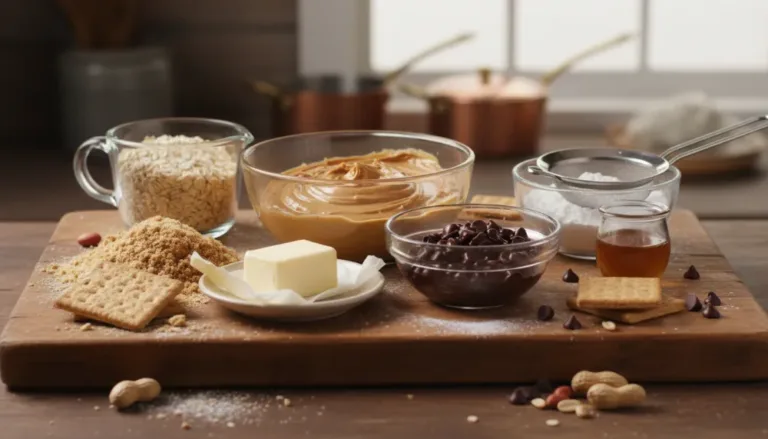
- 1 6 oz High-quality bittersweet chocolate (60% cacao)
- 2 1/2 cup Unsalted butter
- 3 2 Large eggs plus 2 large egg yolks
- 4 1/4 cup Granulated sugar
- 5 1/8 tsp Sea salt
- 6 2 tbsp All-purpose flour
- 7 1/2 tsp Alcohol-free vanilla essence
- 8 1 tbsp Strong brewed espresso (warm)
Instructions
- 1 Preheat oven to 425°F (218°C). Grease four 6-ounce ramekins with butter and dust with cocoa powder.
- 2 Melt chocolate and butter together in a double boiler until smooth. Stir in espresso.
- 3 In a separate bowl, whisk eggs, yolks, sugar, salt, and vanilla essence until thick and pale.
- 4 Gently fold the melted chocolate into the egg mixture. Sift flour over the batter and fold until just combined.
- 5 Divide batter between ramekins. Bake for 12-14 minutes until sides are firm but the center jiggles.
- 6 Cool for 1 minute, then invert onto plates and serve immediately.
The Origins of an Icon: Two Paths to the Molten Lava Cake
To truly appreciate the Molten Lava Cake, one must understand its dual lineage. The culinary world remains divided over which legendary French chef deserves the crown for this invention. This division highlights two very different technical approaches to achieving the same heavenly result: a liquid heart encased in a delicate sponge.
Michel Bras and the Science of the Frozen Core
In 1981, at his legendary restaurant in Laguiole, Michel Bras debuted le coulant au chocolat. His version was born of intention and scientific precision. Inspired by the warmth of hot chocolate after a family ski trip, Bras spent two years perfecting the technique. His method involves a “two-stage” process: a frozen chocolate ganache is inserted into the center of the cake batter. As the Molten Lava Cake bakes, the exterior sets into a traditional sponge while the frozen core melts into a rich, flowing river of sauce. This method is often considered the gold standard in fine dining because it guarantees a liquid center regardless of slight variances in oven temperature.
Jean-Georges Vongerichten and the Happy Accident
Six years later in New York City, Chef Jean-Georges Vongerichten popularized what we now most commonly recognize as the Molten Lava Cake. According to culinary lore, Jean-Georges accidentally pulled a chocolate sponge cake out of the oven too early. He discovered that the underbaked center was warm and runny, creating a delightful contrast with the baked edges. This “single-stage” method relies entirely on the physics of heat conduction and timing. Because it requires fewer steps than Bras’s ganache method, it became the standard for home cooks and most restaurants globally. Whether intentional or accidental, the Molten Lava Cake changed the landscape of dessert menus forever.

The Physics of the Flow: How the Center Stays Liquid
The success of a Molten Lava Cake is a game of thermodynamics. When you place a ramekin in a high-heat environment, typically 425°F, the heat begins to travel from the outside in. The outer layer of the batter reaches the temperature necessary to denature egg proteins and activate the small amount of flour, forming a solid structure or “wall.” However, because the baking time is kept short, the heat does not have enough time to reach the center of the cake in sufficient quantity to solidify the core.
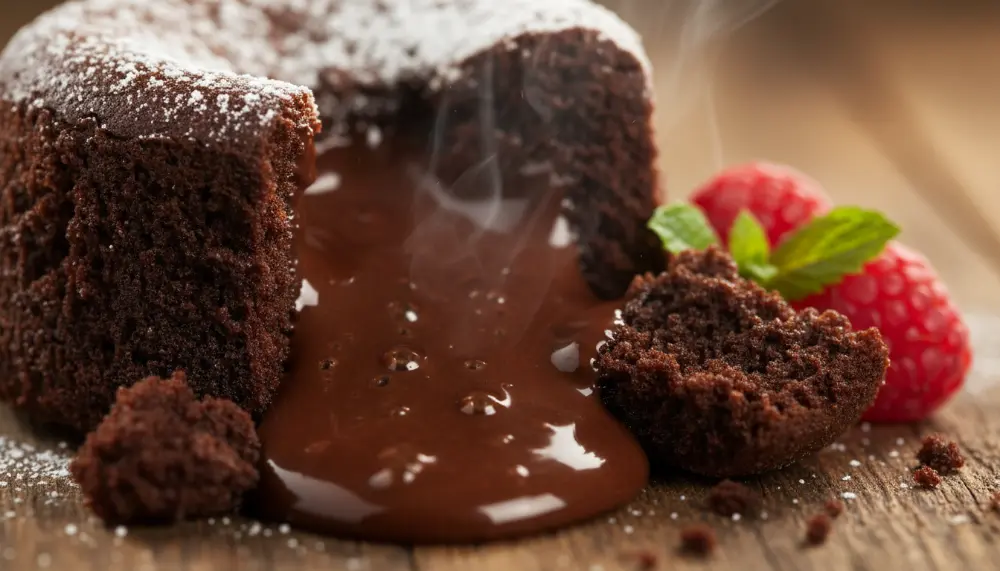
For a perfect Molten Lava Cake, the center must reach roughly 160°F (71°C). At this temperature, the center is warm and safe to consume but has not yet set into a solid crumb. This is why the “jiggle test” is so critical. If the center of the cake is firm to the touch, you have overbaked it, resulting in a standard chocolate muffin. If the center has a slight wobble when the ramekin is shaken, the core is still liquid, waiting to erupt once the cake is pierced with a spoon.
Essential Tools for Success
While the recipe itself is simple, the tools you use can significantly impact the outcome. If you are preparing a large batch of batter, the Cuisinart 8 Cup Food Processor is a meal prep essential that can help emulsify the butter and chocolate mixture if you choose to incorporate ground nuts or other textures into your base. For those looking for modern convenience, the Cosori 9-in-1 TurboBlaze Air Fryer 6 Qt can actually bake these cakes in record time due to its powerful convection, though timing must be adjusted strictly.
If you enjoy serving your Molten Lava Cake with a fruit coulis, the Ninja BN751 Professional Plus DUO Blender is perfect for creating smooth raspberry or strawberry purees. Finally, if you find yourself with extra batter, using the Rubbermaid Brilliance Glass Storage Set of 9 ensures your uncooked batter stays fresh and leak-proof in the refrigerator until you are ready for your next indulgent treat.
Ingredient Quality: Why Chocolate is Everything
In a dessert with so few ingredients, the quality of each component is magnified. For a Molten Lava Cake, the chocolate isn’t just a flavor; it is the structural and textural heart of the dish. Most professional pastry chefs recommend a bittersweet chocolate with at least 60% to 70% cocoa solids. High-quality chocolate contains more cocoa butter, which contributes to the silkiness of the molten center. Lower-quality chocolate chips often contain stabilizers that prevent them from melting smoothly, which can result in a grainy or thick core.
When it comes to fats, we exclusively use unsalted butter to control the sodium levels. In keeping with strict dietary requirements, this recipe avoids any use of lard or pork-derived fats. If you need to substitute butter, high-quality beef tallow can provide a unique richness, though butter remains the traditional choice for its creamy mouthfeel. For more insight into ingredient selection, check out our other healthy recipes.
Alcohol-Free Flavor Variations
Many traditional French recipes for Molten Lava Cake call for Grand Marnier or Rum to add depth. However, you can achieve a sophisticated flavor profile without any alcohol. One of the best substitutions is strong brewed espresso or a high-quality coffee concentrate. The bitterness of the coffee acts as a foil to the sweetness of the chocolate, enhancing the “chocolatey” notes without making the cake taste like coffee.
Other excellent alcohol-free alternatives include orange juice for a citrusy brightness or pomegranate juice for a tart, fruity finish. When using these liquids, ensure they are at room temperature when added to the melted chocolate to prevent the mixture from seizing. You can find more inspiration for flavor balancing in our easy dessert guides.
Troubleshooting Your Molten Lava Cake
Even for experienced bakers, the Molten Lava Cake can be temperamental. Here are the most common issues and how to solve them:
The Cake is Stuck in the Ramekin
This is usually due to improper ramekin preparation. You must grease every millimeter of the interior with butter. Using cocoa powder instead of flour to dust the ramekins not only prevents sticking but also ensures the outside of the cake doesn’t have unsightly white flour streaks. If a cake is stuck, run a very thin knife carefully around the edge before inverting.
The Center isn’t Liquid
This is the most common failure. It means the cake was overbaked by as little as 60 to 90 seconds. Ovens vary wildly in their calibration. If your first attempt results in a solid center, reduce your bake time by one minute for the next batch. Remember, the cake continues to cook for a minute or two after being removed from the oven due to residual heat.
The Cake Collapsed on the Plate
A collapse occurs when the walls are too thin or the cake was underbaked to the point of structural failure. The “walls” need enough time to set so they can support the weight of the liquid center once the ramekin is removed. Ensure the top edges of the cake look dry and firm before pulling them from the oven.
The Art of Plating and Serving
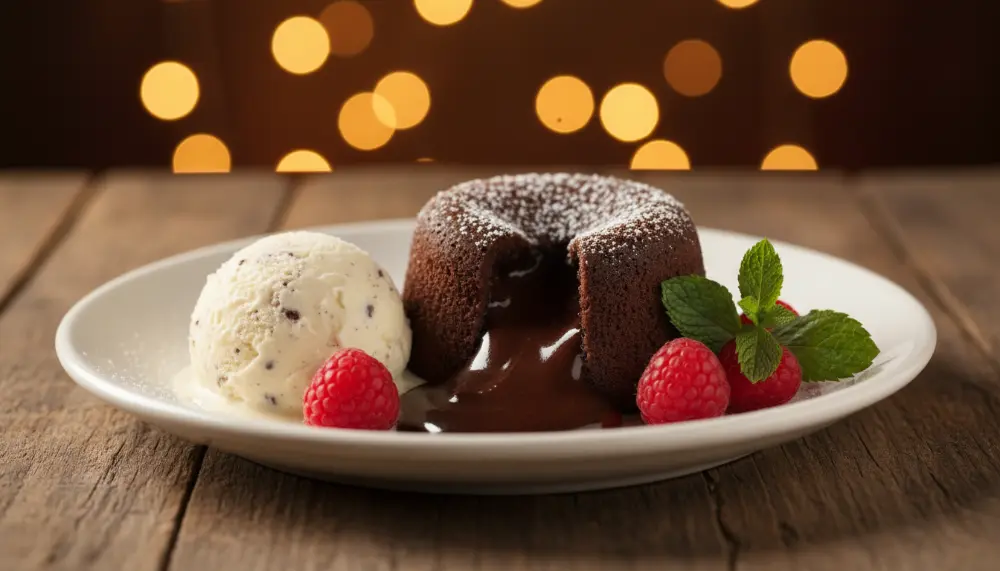
Presentation is half the experience with a Molten Lava Cake. The classic way to serve it is with a light dusting of powdered sugar and a single fresh raspberry or mint leaf. To elevate the dish, consider a scoop of high-quality vanilla bean ice cream. The contrast between the freezing cold ice cream and the piping hot chocolate lava is a hallmark of the dessert experience.
Because the center is liquid, you must serve the Molten Lava Cake immediately. Within 5 to 10 minutes of leaving the oven, the residual heat will continue to cook the center, eventually turning your liquid gold into a solid crumb. Timing is everything; have your guests seated and your plates ready before the timer goes off. For more tips on hosting and gourmet presentation, visit our culinary blog.