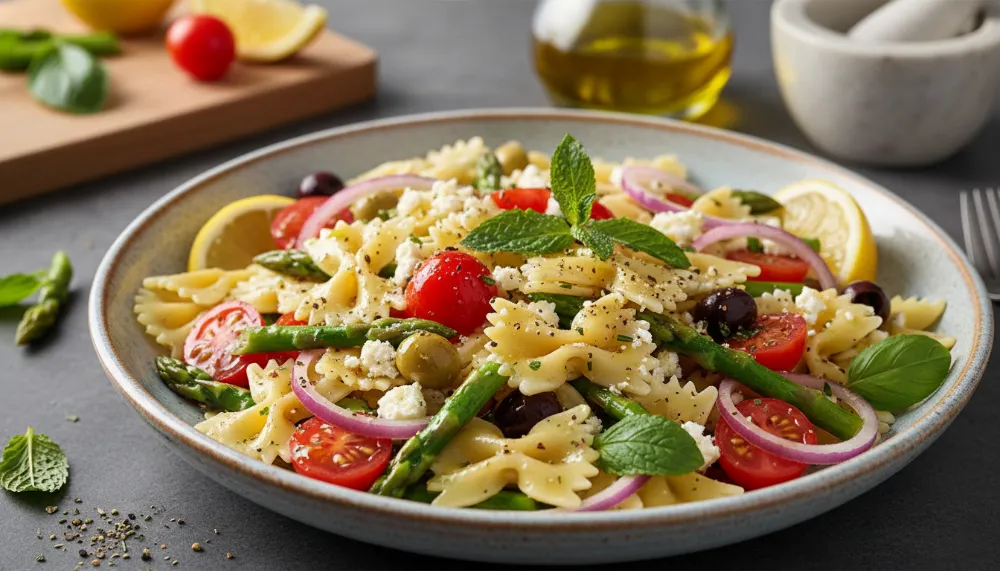
Experience the vibrant essence of the season with this Mediterranean spring pasta salad, a dish that combines crisp seasonal vegetables, hearty proteins, and a zesty, alcohol-free dressing.
Mediterranean Spring Pasta Salad
Ingredients
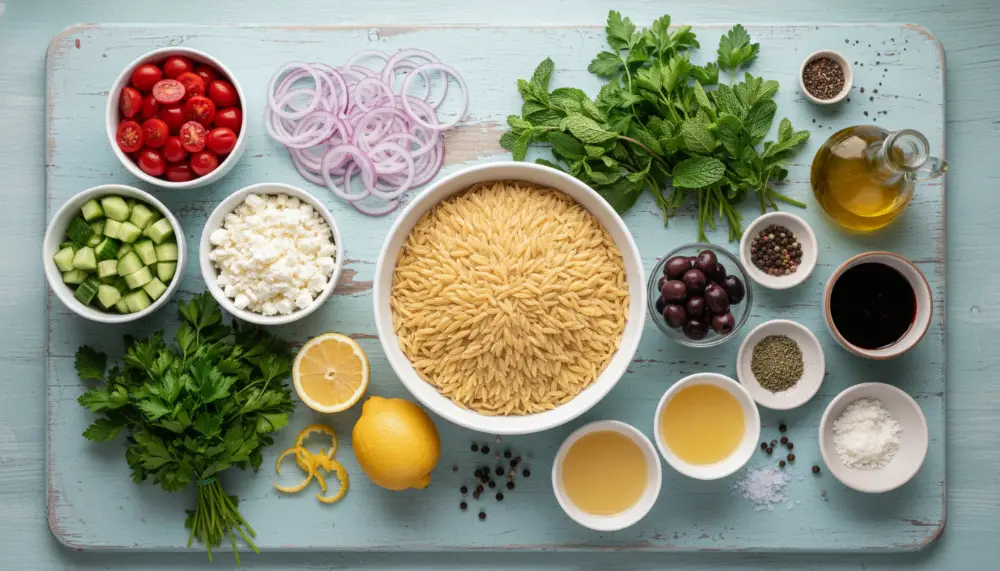
- 1 16 oz package Gemelli or Orecchiette pasta
- 2 cups English cucumber, diced
- 3 1 cup cherry tomatoes, halved
- 4 1/2 cup Kalamata olives, pitted and sliced
- 5 1/2 cup Feta cheese, crumbled
- 6 1/4 cup red onion, thinly sliced
- 7 1/4 cup fresh parsley, chopped
- 8 1/2 cup Extra Virgin Olive Oil
- 9 1/4 cup fresh lemon juice
- 10 1 tbsp apple cider vinegar
- 11 2 cloves garlic, minced
- 12 1 tsp dried oregano
Instructions
- 1 Boil a large pot of salted water and cook the pasta according to package directions until al dente. Drain and rinse with cold water to stop the cooking process.
- 2 Use the Cuisinart 8 Cup Food Processor to quickly slice the red onion and cucumbers for perfectly uniform pieces.
- 3 In the Ninja BN751 Professional Plus DUO Blender, combine olive oil, lemon juice, apple cider vinegar, garlic, and oregano. Blend until emulsified and creamy.
- 4 Optional: Roast a can of drained chickpeas in the Cosori 9-in-1 TurboBlaze Air Fryer at 400°F for 12 minutes for a crunchy protein addition.
- 5 In a massive bowl, combine the cold pasta, vegetables, olives, and feta. Pour the dressing over the top and toss thoroughly.
- 6 Chill in the refrigerator for at least 30 minutes before serving to allow flavors to meld.
The Historical Evolution of Mediterranean Pasta Salad
The Mediterranean spring pasta salad is not merely a modern convenience food, it is the culmination of centuries of culinary migration and adaptation. Historians often trace the roots of cold pasta dishes back to the ancient Romans. While we often associate Roman cuisine with hot, steaming bowls of grain-based porridges, they also consumed early forms of pasta known as lagana. These were often served at room temperature, drizzled with the finest olive oils and vinegar, creating a precursor to the modern salad.
As Mediterranean cultures evolved, the concept of pasta fredda, or cold pasta, became a staple in Italian households, particularly during the warm spring and summer months. This tradition was born out of necessity, food needed to be prepared in advance for religious days of rest or for workers in the fields. The use of high-quality fats and acidic vinegars acted as natural preservatives, ensuring the dish remained safe and delicious throughout the day. When Italian communities immigrated to the United States and other parts of the world, they brought these traditions with them, eventually incorporating local produce like bell peppers and corn, leading to the diverse mediterranean spring pasta salad we recognize today.
Nutritional Excellence in Every Bite
One of the primary reasons the mediterranean spring pasta salad has remained a dietary mainstay is its incredible nutritional profile. Unlike many heavy, cream-based salads, this dish focuses on healthy fats and complex carbohydrates. A standard serving of approximately 1.5 cups provides a balanced distribution of macronutrients. You can expect roughly 350 to 420 calories, with 16 to 24 grams of fat, most of which are heart-healthy monounsaturated fats from extra virgin olive oil. The inclusion of fresh greens and vibrant peppers ensures a high intake of Vitamin C, often exceeding 90% of the daily value, which is essential for immune support during the changing seasons.
Dietary fiber is another standout feature, usually ranging from 6 to 10 grams per serving. This is largely thanks to the combination of whole-grain pasta options and the abundance of fibrous vegetables like cucumbers and chickpeas. For those looking to increase their protein intake, adding grilled beef or chicken can boost the protein count from 15 grams to well over 30 grams per serving, making it a complete, satiating meal.
Professional Flavor Variations for the Modern Chef
While the classic recipe is timeless, professional chefs often look for ways to elevate the mediterranean spring pasta salad by focusing on seasonal spring ingredients and sophisticated protein pairings. To achieve the perfect texture, many experts recommend using the Cuisinart 8 Cup Food Processor. This tool is essential for fast chopping and slicing during meal prep, allowing you to create uniform slices of radish, cucumber, and onion that distribute evenly throughout the salad.
The Mediterranean Steak Salad Variation
For those who prefer a more robust meal, the beef-based variation is a game-changer. By using thinly sliced, grilled top sirloin or flank steak, you transform a light side dish into a powerhouse lunch. The smokiness of the beef pairs exceptionally well with sun-dried tomatoes and roasted red peppers. To maintain the Mediterranean theme without the use of wine-based vinegars, professionals suggest a pomegranate vinaigrette. Use unsweetened pomegranate juice combined with apple cider vinegar for a sharp, fruity acidity that cuts through the richness of the beef perfectly.
The Lemon-Zest Chicken Variation
If you prefer poultry, the lemon-zest chicken variation offers a lighter, citrus-forward experience. Use herb-marinated grilled chicken breast or even pulled roasted chicken. To get that perfectly emulsified dressing that clings to every piece of chicken, the Ninja BN751 Professional Plus DUO Blender is your best friend. Its 1000W motor can turn lemon juice, olive oil, and fresh herbs into a thick, creamy vinaigrette without the need for dairy. Stirring in a spoonful of thick yogurt into this blend provides a creamless creamy texture that is purely decadent.
The Spring Garden Vegetarian Variation
Vegetarians can find immense satisfaction in the spring garden version of this salad. Instead of meat, focus on the buttery texture of canned chickpeas or blanched fava beans. To add a layer of crunch and depth, try roasting your chickpeas in the Cosori 9-in-1 TurboBlaze Air Fryer 6 Qt. It roasts chickpeas and vegetables perfectly with a large family capacity, giving you that “fried” texture with a fraction of the oil. Combine these with toasted pine nuts and marinated hearts of palm for a complex flavor profile that rivals any meat-based dish.
The Science of a Perfect Dressing: Alcohol-Free and Flavor-Full
A common hurdle in Mediterranean cooking is the frequent use of wine-based vinegars. To create a high-authority mediterranean spring pasta salad that adheres to strict dietary preferences, we look to the science of acidity. The goal of vinegar or wine in a dressing is to provide a sharp contrast to the fats. You can achieve this same effect by using a 1:1 ratio of fresh lemon juice and apple cider vinegar. This combination provides both the citric acid from the lemon and the malic acid from the apple cider, creating a complex, multi-layered brightness.
Another professional secret is the addition of aromatics. Fresh dill, mint, and chives are preferred over the heavier, dried herbs often found in winter cooking. These herbs should be processed quickly to avoid bruising. Using the Cuisinart 8 Cup Food Processor with the pulse setting allows you to mince these herbs into the perfect size, ensuring their essential oils are released into the salad rather than left on the cutting board.
Why Pasta Shape Matters
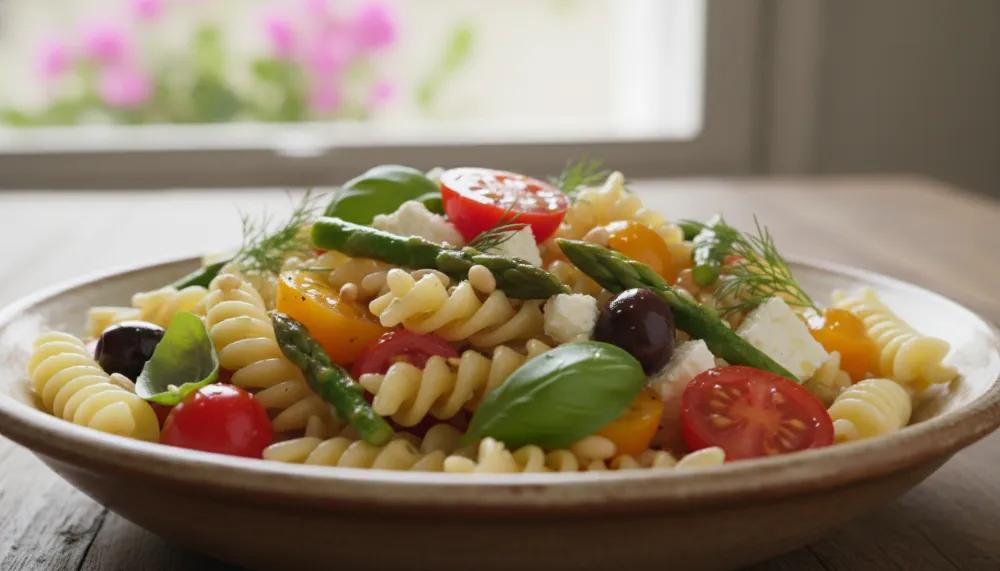
In the world of professional pasta salad preparation, the shape of the pasta is not an aesthetic choice, it is a functional one. For a mediterranean spring pasta salad, you want a shape that has ridges or hollow centers. Shapes like Gemelli, Orecchiette, or Radiatori are ideal because they act as little vessels, trapping the vinaigrette and the smaller bits of vegetables like peas or minced herbs. This ensures that every forkful is a perfect explosion of flavor. Avoid long, thin pastas like spaghetti or linguine, as the dressing will simply slide off, leaving the pasta bland and the bottom of your bowl a soggy mess.
The Role of Emulsification
Have you ever noticed how some pasta salads end up with a pool of oil at the bottom? This happens because the dressing was not properly emulsified. Emulsification is the process of forcing two liquids that don’t normally mix, like oil and lemon juice, into a stable state. By using a high-powered blender like the Ninja BN751 Professional Plus DUO Blender, you can create a mechanical emulsion that lasts for hours. The blades spin so fast that they break the oil into microscopic droplets that stay suspended in the lemon juice, resulting in a thick, velvety coating that grips the pasta and doesn’t separate in the fridge.
Mastering the Art of Meal Prep
One of the greatest advantages of the mediterranean spring pasta salad is its longevity. In fact, many people argue that it tastes better on the second day. This is due to a process similar to osmosis, where the pasta begins to absorb the flavors of the dressing and the surrounding vegetables. To ensure your salad stays fresh for a full week of lunches, keep the feta cheese and fresh herbs separate until you are ready to eat. This prevents the herbs from wilting and the cheese from becoming too soft.
Using the Cosori 9-in-1 TurboBlaze Air Fryer 6 Qt to prep your proteins also saves time. You can air-fry a large batch of chicken breast or seasoned beef strips in minutes, ensuring they are cooked through while remaining juicy. Once cooled, these can be tossed into your pre-chopped vegetable and pasta mix for a healthy, high-authority meal that requires zero effort during a busy work week.