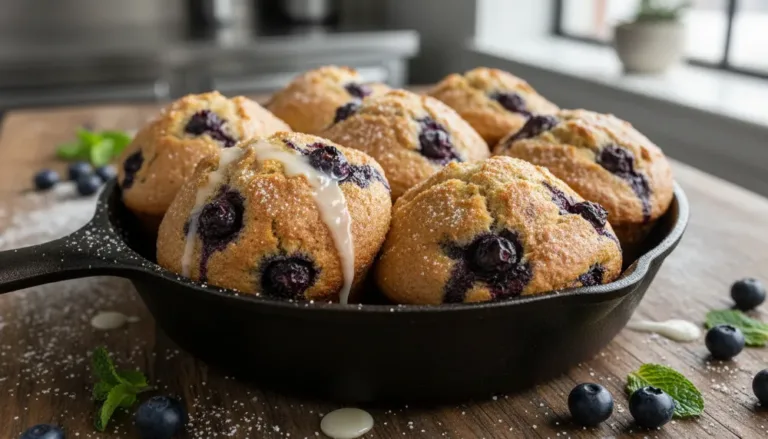
These Lemon Poppy Seed Muffins are the epitome of bright, citrusy perfection, offering a tender crumb and a delightful crunch in every single bite. This comprehensive guide will transform your home kitchen into a professional bakery, ensuring high-domed tops and an intense lemon flavor that lasts.
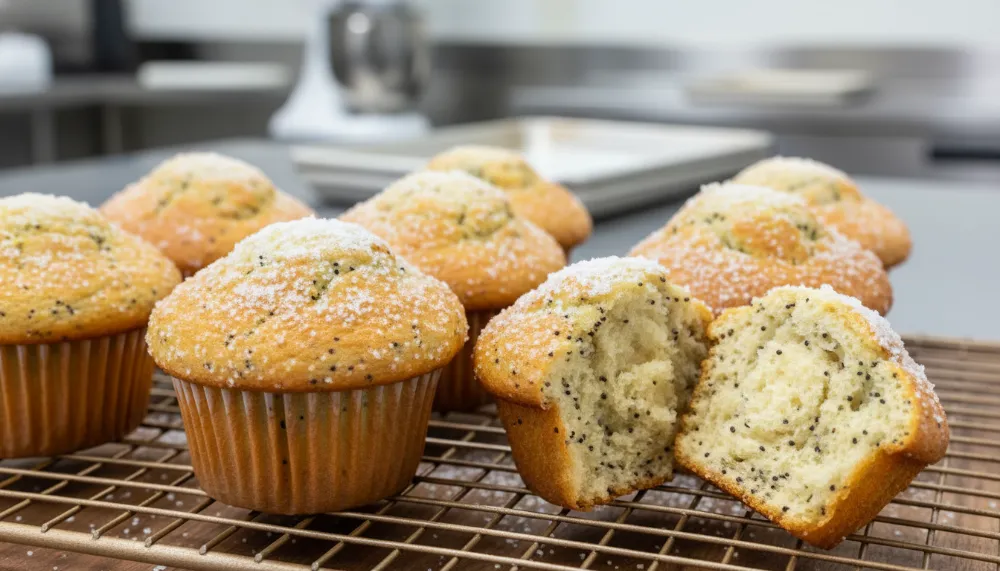
Bakery-Style Lemon Poppy Seed Muffins
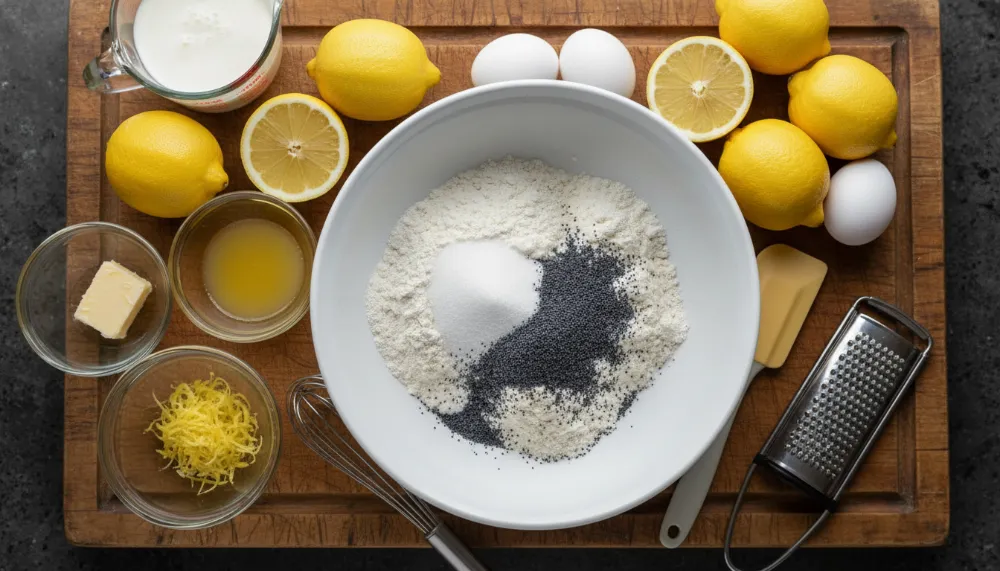
Ingredients
- 1 3 cups All-Purpose Flour
- 2 1 tablespoon Baking Powder
- 3 1/2 teaspoon Baking Soda
- 4 1/2 teaspoon Salt
- 5 2 tablespoons Poppy Seeds
- 6 1 cup Granulated Sugar
- 7 Zest of 3 Large Lemons
- 8 1/2 cup Unsalted Butter, melted and cooled
- 9 1/4 cup Vegetable Oil
- 10 2 Large Eggs, room temperature
- 11 1 cup Greek Yogurt or Sour Cream
- 12 1/4 cup Fresh Lemon Juice
- 13 1 teaspoon Alcohol-Free Vanilla Paste
Instructions
- 1 Preheat oven to 425°F (218°C) and line a muffin tin with liners.
- 2 In a small bowl, rub the lemon zest into the granulated sugar with your fingertips until the sugar is fragrant and moist.
- 3 Whisk the flour, poppy seeds, baking powder, baking soda, and salt in a large mixing bowl.
- 4 In a separate bowl, whisk the lemon sugar, melted butter, oil, eggs, yogurt, lemon juice, and vanilla paste until smooth.
- 5 Gently fold the wet ingredients into the dry ingredients using a spatula until just combined, do not overmix.
- 6 Divide the batter into the muffin tin, filling each cup to the brim.
- 7 Bake at 425°F for 5 minutes, then reduce the heat to 350°F (175°C) and bake for another 13, 15 minutes until a toothpick comes out clean.
The Historical Journey of Lemon Poppy Seed Muffins
The Lemon Poppy Seed Muffins we enjoy today are the product of centuries of culinary evolution. To understand their appeal, one must look back at the ancient history of their two star ingredients. Poppy seeds, derived from the Papaver somniferum plant, have been a staple in human history for over 5,000 years. Archaeological evidence suggests that Sumerian and Egyptian civilizations utilized these tiny seeds for both medicinal and culinary purposes as early as 3,500 BCE. They eventually became a cornerstone of Central and Eastern European baking, where they were used in dense breads and pastries like the Polish Makowiec.
Lemons, on the other hand, are believed to have originated in the Himalayan foothills of Northeast India. They traveled through trade routes to the Mediterranean, where the Roman Empire embraced them. However, it wasn’t until the 19th century in the United States and Great Britain that the pairing of bright citrus and earthy poppy seeds truly took hold in the form of a muffin. The American muffin is a “quick bread,” a style of baking that relies on chemical leaveners like baking powder rather than yeast. This development in the late 1800s allowed for the creation of Lemon Poppy Seed Muffins that were light, airy, and could be prepared in a fraction of the time required for traditional breads.
The Nutritional Profile of a Bakery-Standard Muffin
While often viewed as a treat, Lemon Poppy Seed Muffins offer a complex nutritional profile. The poppy seeds themselves are surprisingly nutrient-dense, providing significant amounts of calcium, phosphorus, and magnesium even in small quantities. When you bite into one of these muffins, you are getting a balance of macro-nutrients designed to provide a sustained release of energy throughout your morning.
Below is a breakdown of the typical nutritional content for a standard 100g Lemon Poppy Seed Muffin:
| Nutrient | Average Amount |
|---|---|
| Calories | 380 kcal |
| Total Fat | 18g |
| Carbohydrates | 48g |
| Protein | 5.5g |
| Fiber | 1.5g |
To maximize the nutritional value of your Lemon Poppy Seed Muffins, many professional bakers recommend using a blend of fats. A combination of vegetable oil ensures the muffin remains moist for days, while unsalted butter provides the rich, lactone-heavy flavor that defines a high-quality pastry.
Professional Secrets for Elevated Flavor and Texture
How do professional pastry chefs achieve that elusive “perfect” muffin? It comes down to technique and ingredient science. One of the most effective secrets is Citrus Oil Infusion. Instead of simply tossing zest into the batter, chefs macerate the lemon zest directly into the granulated sugar. By rubbing the zest and sugar together for several minutes, you break down the zest’s cell walls, releasing essential oils that scent the entire muffin. This ensures the lemon flavor is deeply embedded rather than just a top-note.
Another technique popularized by high-end establishments like Bouchon Bakery is the Rested Batter Technique. Allowing your Lemon Poppy Seed Muffins batter to rest in the refrigerator for 12 to 24 hours before baking allows the flour to fully hydrate. This creates a more uniform crumb and leads to a significantly taller, more professional-looking domed top. The cold batter hitting a hot oven also creates a steam-burst effect that helps with that iconic muffin lift.

Essential Tools for Baking Perfection
To achieve these results, you need the right equipment. Here are our top professional recommendations:
- Ninja BN751 Professional Plus DUO Blender: https://amzn.to/3LCDyNR (Why Perfect: This 1000W motor is ideal for emulsifying your wet ingredients or creating a smooth lemon curd filling).
- Cosori 9-in-1 TurboBlaze Air Fryer 6 Qt: https://amzn.to/4hRWmVq (Why Perfect: Surprisingly effective for “baking” small batches of Lemon Poppy Seed Muffins with incredible air circulation for even browning).
- Cuisinart 8 Cup Food Processor: https://amzn.to/47Nhbg8 (Why Perfect: A meal prep essential that makes zesting large quantities of lemons or mixing dry ingredients effortless).
- Rubbermaid Brilliance Glass Storage Set: https://amzn.to/4oD0YkY (Why Perfect: Keeps your Lemon Poppy Seed Muffins fresh for up to a week with an airtight, leak-proof seal).
- FoodSaver Vacuum Sealer Machine: https://amzn.to/4qWgVnS (Why Perfect: Ideal for freezing individual muffins to prevent freezer burn and maintain that just-baked texture).
Advanced Variations: Beyond the Basics
Once you have mastered the classic Lemon Poppy Seed Muffins, you can begin to experiment with sophisticated flavor profiles used in Michelin-star kitchens. One such variation is Cardamom and Browned Butter. By browning your butter before adding it to the batter, you introduce nutty, toasted notes that contrast beautifully with the bright lemon. Adding a quarter teaspoon of ground cardamom provides a warm, spicy depth that elevates the muffin from a simple snack to a gourmet experience.
For those seeking a more decadent texture, consider Mascarpone Integration. Replacing a portion of the yogurt or sour cream with Italian mascarpone cheese results in a “tender-sturdy” crumb that feels incredibly luxurious on the palate. Many chefs will even hide a core of lemon curd in the center of these muffins. Simply fill the muffin liner halfway, add a teaspoon of curd, and top with more batter. The result is a molten citrus explosion that is sure to impress.
Troubleshooting Your Lemon Poppy Seed Muffins
Even seasoned bakers encounter issues with Lemon Poppy Seed Muffins. If your muffins are coming out flat, it is likely due to old leavening agents or overmixing. When you overmix the batter, you develop the gluten in the flour, which leads to a tough, bready texture rather than a light, cake-like one. Always fold the ingredients until just combined, a few streaks of flour are actually a good sign that you haven’t over-worked the dough.
If your muffins are dry, check your oven temperature. Many home ovens run hot, which can sap the moisture from the muffins before they are fully cooked. Using a combination of oil and butter, as specified in our recipe, provides a safety net, as oil remains liquid at room temperature, providing a sensation of moistness even if the muffin is slightly overbaked. Furthermore, the use of Greek yogurt provides acidity that breaks down gluten, ensuring a soft, melt-in-your-mouth experience every time.