These Lemon Blueberry Scones are a masterclass in texture, combining a shatteringly crisp exterior with a soft, pillowy center bursting with sun-ripened fruit and bright citrus notes. This recipe provides a professional-grade approach to achieving the perfect flake while ensuring every bite is infused with the refreshing zing of fresh lemon.
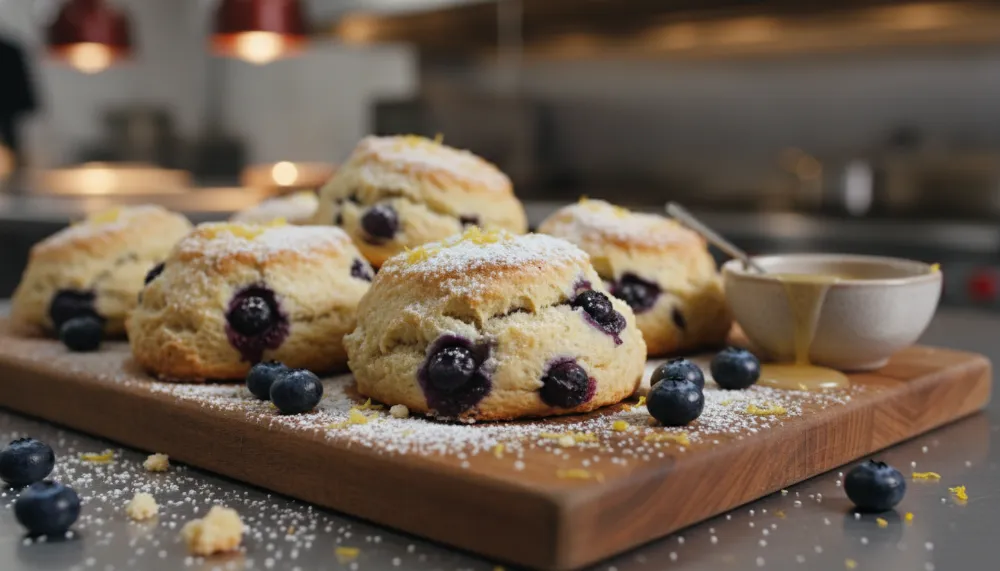
Professional Lemon Blueberry Scones
Ingredients
- 1 2 1/2 cups All-Purpose Flour
- 2 1/2 cup Granulated Sugar
- 3 1 tablespoon Baking Powder
- 4 1/2 teaspoon Salt
- 5 1/2 cup Unsalted Butter (Cold, Cubed)
- 6 1 cup Fresh Blueberries
- 7 1 tablespoon Lemon Zest (Freshly Grated)
- 8 2/3 cup Heavy Cream (Chilled)
- 9 1 Large Egg
- 10 1 tablespoon Fresh Lemon Juice
Instructions
- 1 Preheat your oven to 400°F (200°C) and line a baking sheet with parchment paper.
- 2 In a large bowl, whisk together the flour, sugar, baking powder, and salt. Rub the lemon zest into the sugar mixture with your fingertips to release the oils.
- 3 Use a pastry cutter or the Cuisinart 8 Cup Food Processor to cut the cold butter into the dry ingredients until it resembles coarse crumbs.
- 4 Gently fold in the fresh blueberries using a spatula, being careful not to burst them.
- 5 In a separate small bowl, whisk the heavy cream, egg, and lemon juice together. Pour this over the dry ingredients.
- 6 Stir until a shaggy dough forms, then turn onto a floured surface. Fold the dough over itself 3, 4 times to create layers.
- 7 Pat into a 1-inch thick disk and cut into 8 wedges. Brush the tops with extra cream and a sprinkle of sugar.
- 8 Bake for 18, 22 minutes until golden brown. Cool slightly on a wire rack before serving.
The Fascinating History of the Scone
To truly appreciate the Lemon Blueberry Scones of today, one must travel back to 16th-century Scotland. The original scone was quite different from the triangular, fruit-filled pastries we see in modern bakeries. Historically, scones were known as bannocks, which were flat, round cakes made primarily from oats and cooked on a griddle. They were designed as hearty sustenance for Scottish farmers and workers, providing the energy needed for long days in the fields.
The name itself, scone, is shrouded in etymological mystery. Some historians point to the Middle Dutch word schoonbrot, which translates to fine white bread. Others believe it is named after the Stone of Destiny (or the Stone of Scone), the site where Scottish kings were traditionally crowned. Regardless of its name’s origin, the scone underwent a massive transformation in the mid-19th century. This shift was largely due to Anna, the Duchess of Bedford, who famously requested tea and a light snack to bridge the long gap between lunch and dinner. This tradition, which we now know as Afternoon Tea, demanded a lighter, more refined version of the griddled bannock. With the advent of chemical leaveners like baking powder and the move to oven-baking, the modern, airy scone was born.
While British tradition usually calls for plain or currant-filled scones served with clotted cream and jam, the Lemon Blueberry Scone is a quintessentially American adaptation. This variation focuses on internal moisture and bold, integrated flavors, making it a standalone breakfast item rather than just a vehicle for toppings.
The Professional Science of Scone Texture
Creating world-class Lemon Blueberry Scones is as much about chemistry as it is about culinary art. The hallmark of a great scone is its flakiness, which is achieved through a process called lamination. When cold butter is incorporated into the flour, it remains in small, solid chunks. As the scone hits the high heat of the oven, the water in the butter rapidly evaporates, creating steam. This steam pushes the layers of dough apart, resulting in that coveted lift and airy crumb.
One of the most common mistakes home bakers make is overworking the dough. When you knead scone dough too much, you develop gluten, the protein network that gives bread its chew. In scones, however, gluten is the enemy of tenderness. You want to handle the dough as little as possible. Professional pastry chefs often use the folding method: patting the dough out, folding it in half, and repeating this just a few times. This creates distinct layers of butter and flour without toughening the final product. For the most efficient butter incorporation, I recommend the Cuisinart 8 Cup Food Processor: https://amzn.to/47Nhbg8, which allows you to pulse the butter into the flour quickly, keeping the fats cold and the gluten development minimal.
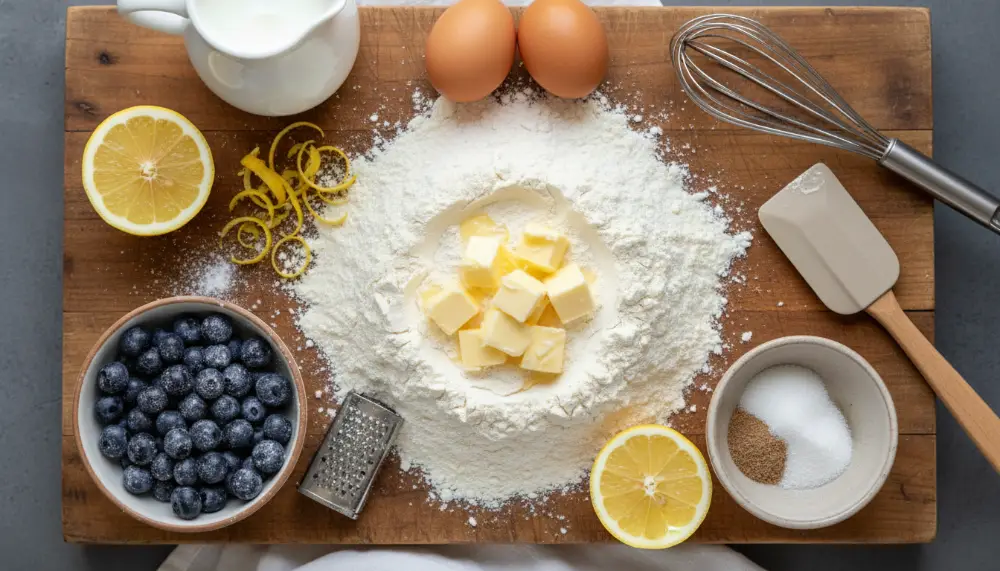
Ingredient Deep Dive: Why Freshness Matters
When making Lemon Blueberry Scones, the quality of your fruit and citrus is paramount. Blueberries are not just for flavor; they provide bursts of moisture and a beautiful color profile. Fresh blueberries are generally preferred because they hold their shape better during the folding process. If you must use frozen blueberries, do not thaw them before adding to the dough, as they will bleed juice and turn your entire scone purple.
Lemon serves two purposes in this recipe: it provides a high-note flavor and the acidity helps activate the baking powder. For a professional result, use a triple lemon approach. This involves rubbing the zest into the sugar to release the essential oils, adding fresh juice to the liquid ingredients, and finally, drizzling a lemon-infused glaze over the cooled scones. To handle the volume of lemons and berries needed for large batches, the Ninja BN751 Professional Plus DUO Blender: https://amzn.to/3LCDyNR is an excellent tool for whipping up citrus glazes or even pulverizing dried blueberries for a more intense flavor profile.
Professional Flavor Variations
Once you have mastered the basic Lemon Blueberry Scones, you can experiment with gourmet variations that elevate the flavor profile even further. Here are several professional techniques used in high-end bakeries:
- Sweet-Savory Herb Infusions: Adding a teaspoon of finely chopped fresh rosemary or culinary lavender to the flour mixture provides an earthy, floral backbone that perfectly complements the tart lemon and sweet berries.
- The Ricotta Method: Replace half of the heavy cream with whole-milk ricotta. This produces a scone with a more cake-like, tender crumb and a slightly tangy finish that enhances the citrus.
- Honey-Lemon Gloss: Instead of a thick powdered sugar glaze, brush the scones with a mixture of warm honey and fresh lemon juice immediately after they come out of the oven. This creates a sticky, professional-looking gloss.
- Alternative Berries: Substitute cultivated blueberries with wild blueberries. These are smaller, have a higher skin-to-pulp ratio, and contain less water, which prevents the dough from becoming soggy.
Troubleshooting Your Scones
If your Lemon Blueberry Scones aren’t coming out perfectly, consider these common issues. If the scones are flat and spreading, your butter was likely too warm. The butter must be cold, ideally even frozen, to maintain the structure of the scone. If they are dry and crumbly, you may have used too much flour or overbaked them. Always measure your flour by weight if possible, or use the spoon-and-level method to avoid packing the measuring cup.
Another factor is oven temperature. Most professional bakers bake scones at a high heat, around 400 degrees Fahrenheit. This high initial heat is what causes the rapid steam release needed for a high rise. If your oven runs cool, the scones will simply melt and spread before they have a chance to rise. For those who want a perfectly even bake every time, the Cosori 9-in-1 TurboBlaze Air Fryer 6 Qt: https://amzn.to/4hRWmVq is a fantastic alternative for baking small batches of scones, as its powerful convection fan ensures a perfectly crisp exterior and even rise.

Storage and Meal Prep Mastery
Scones are notoriously best on the day they are made, but with the right storage techniques, you can enjoy them all week. Once the scones have cooled completely, store them in an airtight container at room temperature for up to 2 days. For longer storage, the Rubbermaid Brilliance Glass Storage Set of 9: https://amzn.to/4oD0YkY is ideal for keeping the crust from becoming soft while maintaining internal moisture.
If you want to meal prep your Lemon Blueberry Scones, the best method is to freeze the dough wedges before baking. Place the cut, unbaked scones on a baking sheet and freeze until solid, then transfer them to a vacuum-sealed bag using the FoodSaver Vacuum Sealer Machine: https://amzn.to/4qWgVnS. This prevents freezer burn and keeps the dough fresh for months. When you’re ready for a fresh scone, simply bake them directly from the freezer, adding 2 or 3 minutes to the total baking time. This ensures you have bakery-quality breakfast options ready at a moment’s notice.
Nutritional Profile of Lemon Blueberry Scones
While scones are a decadent treat, they do offer some nutritional benefits, particularly from the fruit. Blueberries are packed with antioxidants, specifically anthocyanins, which give them their deep blue color. Lemon zest and juice provide a boost of Vitamin C, though much of this is reduced during the baking process. A typical scone contains approximately 350 to 450 calories, with a balance of fats from the butter and cream, and carbohydrates from the flour and sugar. By using high-quality ingredients and making them at home, you avoid the hydrogenated oils and excessive sodium found in many commercial varieties.