Celebrate St. Patrick’s Day with this stunning Green Velvet Cake Recipe, a vibrant twist on the classic velvet tradition that guarantees a moist, emerald crumb and rich cream cheese frosting. This show-stopping dessert is the ultimate centerpiece for your holiday festivities, blending nostalgic flavors with a festive Irish glow.
Green Velvet Cake (St. Patrick’s Day)
INGREDIENTS
- 2 ½ cups All-purpose flour
- 1 ½ cups Granulated sugar
- 1 tbsp Unsweetened cocoa powder (natural)
- 1 tsp Baking soda & 1 tsp Baking powder
- ½ tsp Salt
- 1 cup Vegetable oil
- 1 cup Buttermilk (room temperature)
- 2 Large eggs (room temperature)
- 1 tbsp Distilled white vinegar
- 1 tsp Vanilla bean powder (Alcohol-free)
- 2 tbsp Green food coloring (gel preferred)
- 16 oz Cream cheese & ½ cup Butter (for frosting)
- 4 cups Powdered sugar (for frosting)
INSTRUCTIONS
- Preheat oven to 350°F (175°C). Grease and flour two 9-inch round cake pans.
- In a large bowl, whisk flour, sugar, cocoa, baking soda, baking powder, and salt.
- In a separate bowl, mix oil, buttermilk, eggs, vinegar, vanilla bean powder, and green coloring until smooth.
- Gradually combine dry ingredients into wet, mixing until just smooth.
- Divide batter evenly and bake for 25-30 minutes. Cool completely on a wire rack.
- Whip cream cheese and butter, then slowly add powdered sugar to create the frosting. Layer and frost the cake.
The History and Science of the Green Velvet Cake Recipe (St. Patrick’s Day)
To understand the Green Velvet Cake Recipe (St. Patrick’s Day), one must first look back at the origins of the “Velvet” cake. During the Victorian era, bakers sought to create a more refined, soft crumb texture that differed from the dense, heavy cakes of the time. This was achieved through the use of acidic ingredients like buttermilk and vinegar, which reacted with the protein in the flour to create a finer, velvety texture. While the Red Velvet variant is world-famous, the green version has become a cultural phenomenon for those celebrating Irish heritage. This transformation from red to green is more than just a change in dye, it is a celebration of the spring equinox and the patron saint of Ireland.
For those looking to achieve the perfect consistency, using high-quality tools is essential. I recommend the Cuisinart 8 Cup Food Processor for prepping any nut-based additions or ensuring your dry ingredients are perfectly aerated. The chemistry of this cake relies on the reaction between the acidic buttermilk and the alkaline baking soda. This reaction creates carbon dioxide bubbles, which are trapped by the cake’s structure, resulting in that iconic lightness that defines a true velvet recipe. When you make this Green Velvet Cake Recipe (St. Patrick’s Day), you are participating in a century-old baking tradition that has been modernized for today’s festive table.

Mastering the Emerald Hue: Professional Tips
Getting the color right in a Green Velvet Cake Recipe (St. Patrick’s Day) can be tricky. Standard liquid food coloring can sometimes turn a dull olive green due to the presence of cocoa powder. To combat this, many professional pastry chefs recommend using gel-based food coloring. Gel colors are more concentrated and provide a more vibrant emerald finish without thinning the batter. If you prefer a more natural approach, you might consider high-grade matcha powder, though this will alter the flavor profile toward an earthy, grassy note. If you are blending large batches of frosting to accompany your cake, the Ninja BN751 Professional Plus DUO Blender is perfect for ensuring a completely smooth, lump-free mixture, even if you are incorporating thick pastes or coloring agents.
Why Cocoa Powder is Necessary
Many beginners ask why a green cake needs cocoa powder. The answer lies in the heritage of the recipe. The small amount of cocoa provides a subtle depth of flavor that separates a velvet cake from a standard vanilla sponge. However, because we want the green to pop, we use a minimal amount of natural cocoa powder. Natural cocoa is more acidic than Dutch-processed cocoa, which further aids the leavening process and keeps the crumb incredibly tender. This balance of flavor and chemistry is what makes the Green Velvet Cake Recipe (St. Patrick’s Day) so unique among holiday desserts.
Expert Baking Techniques for Success
The secret to a perfect Green Velvet Cake Recipe (St. Patrick’s Day) is temperature control. Ensure your eggs and buttermilk are at room temperature before you begin. Cold ingredients do not emulsify properly with the fats, which can lead to a greasy or uneven bake. When mixing, follow the rule of “low and slow.” Over-mixing develops the gluten, turning your velvety cake into something more akin to bread. You want to stop mixing the moment no more streaks of flour are visible.
While the cake is the star, the environment in which you bake matters too. If you are preparing small individual cake bites or “green velvet muffins” as an alternative, the Cosori 9-in-1 TurboBlaze Air Fryer 6 Qt can actually be used for small-batch baking, offering a surprisingly even heat distribution for small treats. For the full-sized cake, however, stick to a conventional oven, but keep a close eye on the timing. A toothpick should come out with a few moist crumbs attached, never completely dry, which indicates over-baking.
Professional Variations: Elevating Your Cake
Once you have mastered the standard Green Velvet Cake Recipe (St. Patrick’s Day), you can experiment with gourmet variations. A popular choice among enthusiasts is the “Pistachio Velvet,” where finely ground pistachios are folded into the batter. This adds a nutty richness that pairs exceptionally well with the tang of cream cheese. Another variation is the “Minted Green Velvet,” where a small amount of peppermint oil is added to the batter to create a refreshing flavor profile that screams St. Patrick’s Day. Remember to avoid alcohol-based extracts to maintain dietary adherence, opting instead for pure oils or powders.
Frosting and Decoration Strategies
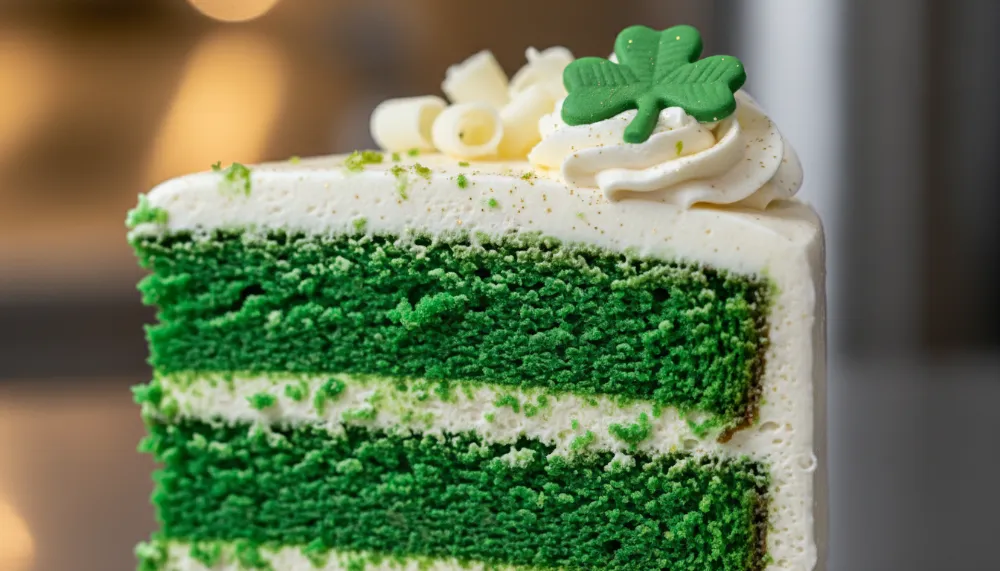
The classic pairing for any velvet cake is a thick, tangy cream cheese frosting. To make yours stand out, consider a “naked cake” look, where the vibrant green sides of the cake layers are visible. Alternatively, you can use white chocolate curls to mimic the look of traditional Irish lace. For the best storage of your frosting components or leftover cake slices, the Rubbermaid Brilliance Glass Storage Set is an excellent investment, keeping the moisture locked in so your cake stays fresh for days. If you find yourself with an abundance of cake, using a FoodSaver Vacuum Sealer Machine is a professional way to preserve individual slices in the freezer without the risk of freezer burn.
Storing and Serving Your Green Velvet Masterpiece
Because this recipe contains cream cheese, it must be stored in the refrigerator. However, serving it stone-cold can mask the delicate flavors. For the best experience, take the cake out of the fridge about 30 minutes before serving. This allows the butter in the cake and the frosting to soften slightly, bringing out the full richness of the vanilla and cocoa notes. When slicing, use a long serrated knife dipped in hot water and wiped dry between each cut to ensure clean, professional-looking slices that show off the beautiful green interior.
Final Thoughts on St. Patrick’s Day Hosting
Hosting a St. Patrick’s Day gathering is all about the details. Beyond the Green Velvet Cake Recipe (St. Patrick’s Day), consider your overall menu. Stick to high-quality beef or chicken dishes to maintain a pork-free table, and offer sparkling juices or fruit-infused water instead of alcohol. This ensures all your guests can enjoy the celebration comfortably. This cake isn’t just a dessert, it’s a conversation starter, a piece of edible art that celebrates history, science, and the joy of the holiday. Enjoy every moist, velvety bite!