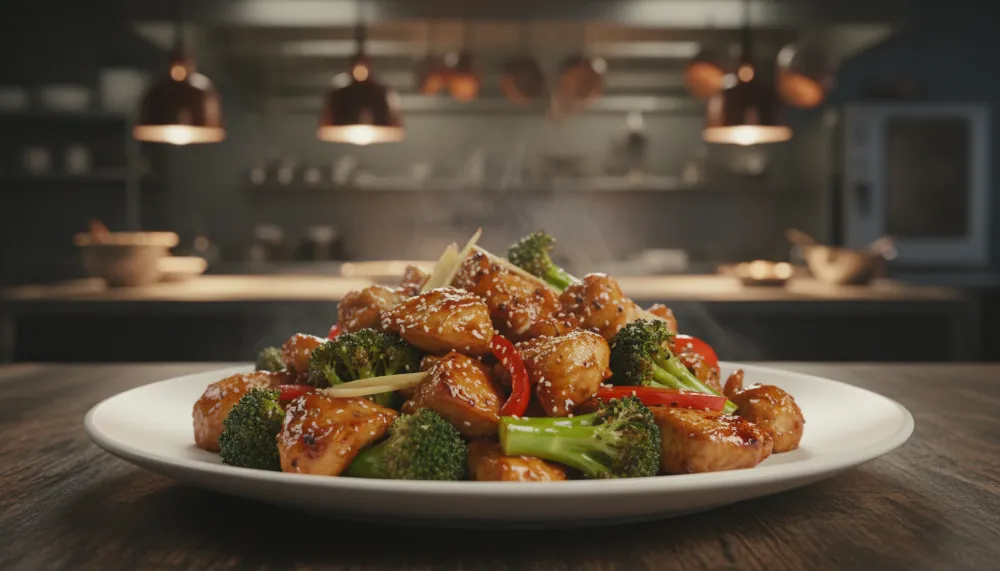
Discover the ultimate balance of tender velveted chicken and crisp, vibrant broccoli in this professional-grade stir-fry recipe. This dish combines historical techniques with modern culinary secrets to create a nutritious and flavorful meal that rivals any high-end restaurant.
Professional Chicken and Broccoli
Ingredients
- 1 lb Chicken Breast, sliced thin
- 4 cups Broccoli Florets
- 3 tbsp Soy Sauce
- 1 tbsp Chicken Broth (non-alcoholic)
- 2 tsp Ginger, minced
- 3 cloves Garlic, smashed
- 1 tbsp Cornstarch
- 1 tsp Sugar
- 2 tbsp Vegetable Oil
- 1 tsp Sesame Oil
Instructions
- Velvet the Chicken: Toss chicken with cornstarch and 1 tsp oil. Let sit for 15 minutes.
- Blanch: Boil broccoli for 60 seconds, then shock in ice water.
- Sauce: Whisk soy sauce, broth, sugar, and sesame oil in a bowl.
- Sear: High heat, sear chicken until opaque. Remove.
- Aromatics: Sauté garlic and ginger for 30 seconds.
- Combine: Add chicken, broccoli, and sauce. Toss until thickened.
The Historical Evolution of Chicken and Broccoli
Chicken and Broccoli stands as a monumental example of culinary adaptation, particularly within the Chinese-American gastronomic landscape. While the concept of stir-frying meat with leafy greens is a staple of Cantonese cooking, the specific dish we recognize today is a product of 19th and 20th-century innovation. When Chinese immigrants arrived in the United States, they encountered a different agricultural landscape. The traditional Gai Lan, or Chinese broccoli, with its bitter leaves and thick, earthy stems, was not always readily available. To satisfy the local demand and utilize accessible ingredients, chefs turned to Italian broccoli, which was rapidly gaining popularity in Western markets. This substitution transformed the dish, offering a milder, sweeter flavor profile that resonated with a broader audience.
By the mid-1970s, legendary restaurants like Hunam in New York City began standardizing these recipes. They introduced the thick, savory “brown sauce” that defines modern stir-fry. This sauce was designed to be rich, glossy, and slightly sweet, catering to the Western palate while maintaining the fundamental integrity of wok-based cooking. Simultaneously, a parallel French-influenced dish known as Chicken Divan was rising in popularity, though it utilized a Mornay sauce and baking techniques rather than the high-heat stir-fry method we celebrate here.
The Science of Velveting: The Secret to Professional Texture
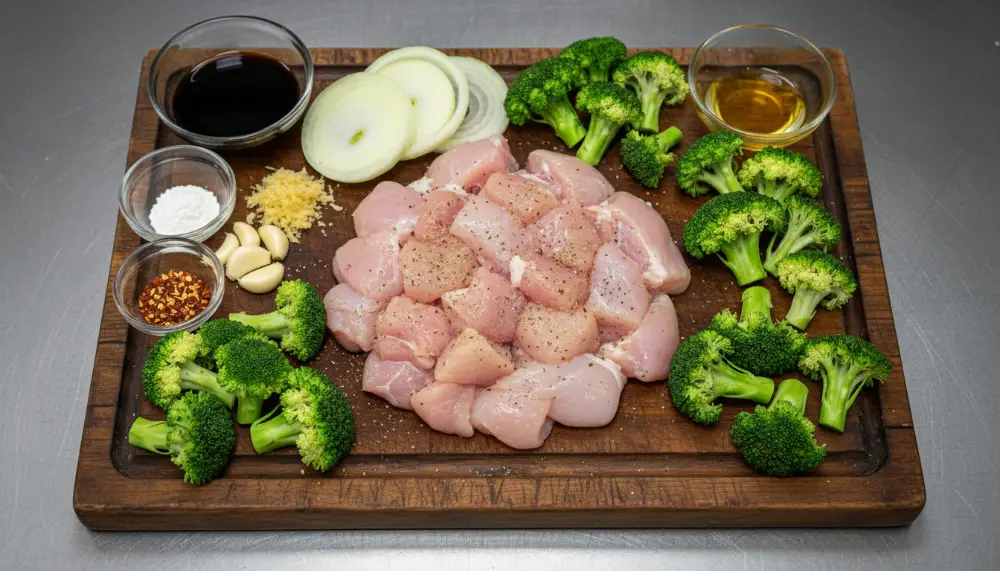
Have you ever wondered why restaurant chicken is impossibly tender while home-cooked chicken can sometimes feel rubbery? The answer lies in a professional technique called “velveting.” This process involves marinating the sliced chicken in a mixture of cornstarch, a touch of oil, and sometimes egg whites or a pinch of baking soda. The cornstarch creates a physical barrier that protects the delicate proteins from the intense heat of the wok, preventing the fibers from tightening and squeezing out moisture. For the ultimate preparation, use the Cuisinart 8 Cup Food Processor: https://amzn.to/47Nhbg8 to slice your chicken into perfectly uniform pieces, ensuring they cook at the exact same rate.
When the velveted chicken hits the hot oil, the cornstarch gelatinizes, creating a silky mouthfeel that is the hallmark of high-end Chicken and Broccoli. This technique is non-negotiable for anyone seeking to replicate the professional experience at home. It is a simple step that requires only fifteen minutes of patience but yields a result that is exponentially superior to standard sautéing.
Nutritional Excellence of Chicken and Broccoli
From a health perspective, Chicken and Broccoli is a powerhouse. A standard professional serving provides between 28 to 32 grams of high-quality lean protein, which is essential for muscle repair and metabolic health. The broccoli itself is a nutritional titan, offering more than 100% of the daily recommended value of Vitamin C in a single serving. It is also an exceptional source of Vitamin K, which is vital for bone density and cardiovascular health.
The fiber content in this dish, primarily derived from the broccoli florets, aids in digestion and helps maintain steady blood sugar levels. By using a light hand with the sugar in the sauce and opting for high-quality oils, you can keep the caloric count between 220 and 290 calories per serving. For those who enjoy preparing large batches of this nutritious meal, the Rubbermaid Brilliance Glass Storage Set of 9: https://amzn.to/4oD0YkY is the perfect choice for keeping your portions fresh and leak-proof in the refrigerator.
Mastering Professional Flavor Variations
The Classic Savory Brown Sauce
The gold standard for Chicken and Broccoli is the deep, umami-rich brown sauce. To achieve this, use a high-quality chicken broth as your base, avoiding alcohol entirely. The depth comes from the combination of soy sauce and the natural juices released by the chicken. A secret professional tip is to “smash” the garlic cloves rather than mincing them, allowing the essential oils to infuse the cooking fat without burning the garlic pieces.
The White Garlic Cantonese Variation
For a lighter experience, the White Garlic variation focuses on the natural sweetness of the vegetables. The sauce is translucent, relying on chicken broth, white pepper, and a splash of rice vinegar for acidity. This version highlights the “breath of the wok,” a smoky flavor achieved through extremely high-temperature cooking. To prep the garlic and ginger for this delicate sauce, the Ninja BN751 Professional Plus DUO Blender: https://amzn.to/3LCDyNR is an excellent tool for creating a smooth aromatic paste if you prefer a more integrated flavor profile.
Spicy Ginger-Hoisin Twist
If you crave heat, the Spicy Ginger-Hoisin variation adds a complex layer of spice. By incorporating red chili flakes and a higher ratio of fresh ginger, the dish becomes invigorating. The hoisin sauce adds a thick, jammy texture that clings to the broccoli. For those looking to reduce oil usage while maintaining texture, consider using the Cosori 9-in-1 TurboBlaze Air Fryer 6 Qt: https://amzn.to/4hRWmVq to pre-roast the broccoli florets, giving them a charred, crispy edge before tossing them into the sauce.
Crucial Tips for the Perfect Stir-Fry
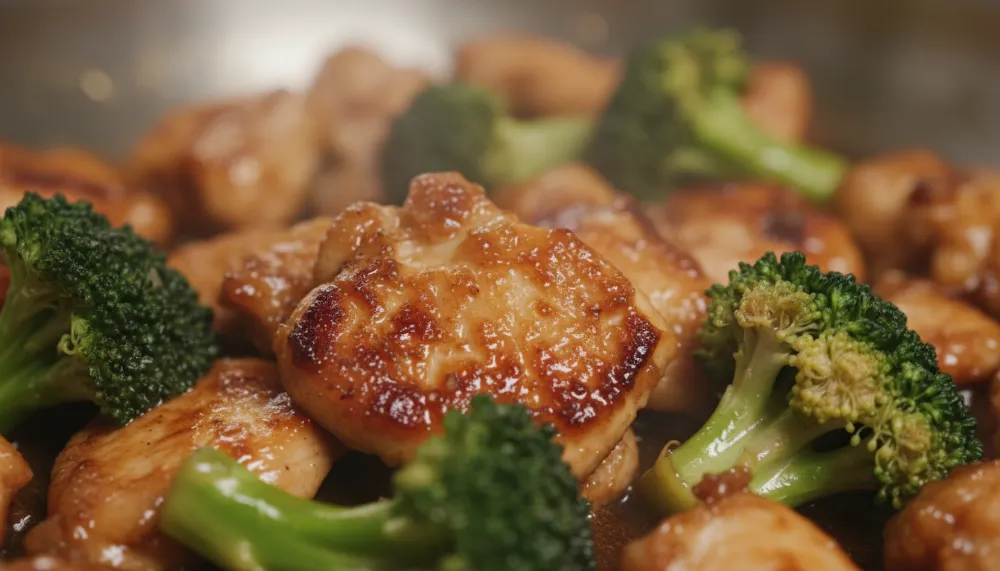
One of the most common mistakes in preparing Chicken and Broccoli is overcrowding the pan. When too much cold food is added at once, the temperature of the wok drops, causing the ingredients to steam rather than sear. To avoid this, cook the chicken in small batches. Once the chicken is golden and opaque, remove it from the pan and set it aside while you handle the aromatics and vegetables.
Another professional secret is the “shocking” of the broccoli. By blanching the florets in boiling salted water for 60 seconds and immediately plunging them into an ice bath, you lock in the vibrant green color and the crisp-tender texture. This prevents the broccoli from becoming mushy or turning a dull olive drab during the final stir-fry phase. This aesthetic appeal is just as important as the flavor when serving a high-authority meal.
Long-Term Storage and Meal Prep Efficiency
Chicken and Broccoli is an ideal candidate for meal prep because the flavors actually deepen after a day in the refrigerator. To maintain the best quality, store the sauce and the stir-fry components together so the chicken continues to absorb the savory notes. If you are looking to store ingredients for the long term, the FoodSaver Vacuum Sealer Machine: https://amzn.to/4qWgVnS is a game-changer. Vacuum sealing your sliced chicken or even the blanched broccoli can extend their freshness by weeks in the freezer, preventing the dreaded freezer burn that ruins the texture of lean meats.
When reheating, avoid the microwave if possible, as it can make the chicken rubbery. Instead, a quick flash-fry in a hot skillet with a teaspoon of water will revive the sauce and maintain the integrity of the broccoli. This ensures that your Wednesday lunch tastes just as spectacular as your Sunday dinner.
Frequently Asked Questions
Can I use chicken thighs instead of breasts?
Absolutely. Chicken thighs offer a higher fat content, which makes them more forgiving and inherently juicier. However, the velveting technique is still recommended to achieve that professional restaurant finish. Thighs will require a slightly longer cooking time to ensure the fat is properly rendered.
What can I substitute for soy sauce if I am gluten-free?
Tamari or liquid aminos are excellent substitutes that provide the necessary saltiness and umami without the gluten content. The flavor profile remains largely the same, ensuring your Chicken and Broccoli stays authentic to its roots.
How do I get my sauce thicker?
If your sauce is too thin, create a small slurry of one part cornstarch to two parts cold water. Whisk this into the bubbling sauce in the pan. The sauce will thicken almost instantly, becoming a glossy glaze that coats every inch of the Chicken and Broccoli.