Experience the perfect harmony of tangy citrus and bursting summer berries in this bakery-style Blueberry Lemon Bread. This moist, tender loaf is the ultimate comfort food for breakfast, brunch, or a decadent afternoon snack.
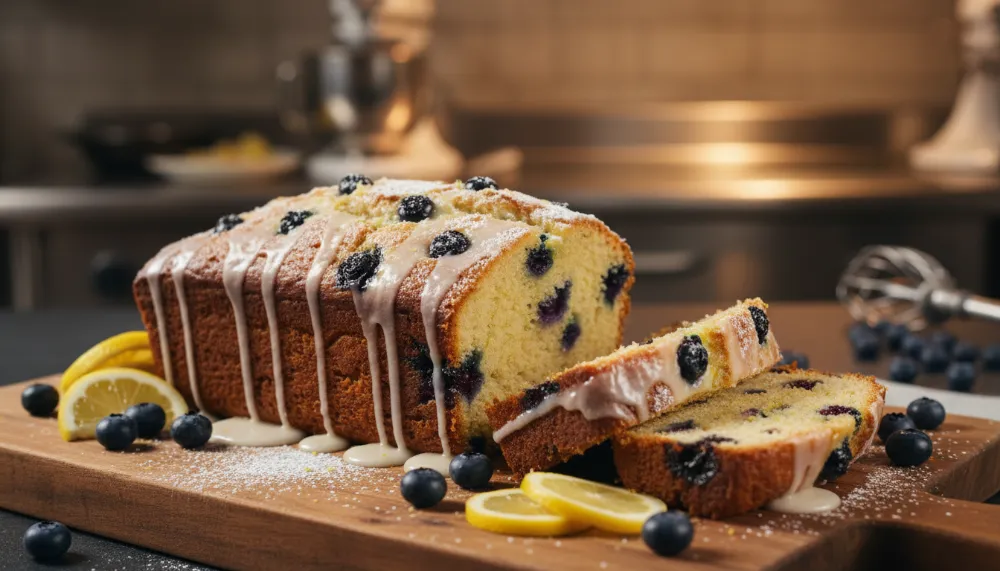
Signature Blueberry Lemon Bread
Ingredients
- 1 2 cups All-Purpose Flour (plus 1 tbsp for tossing berries)
- 2 1 cup Granulated Sugar
- 3 1 tbsp Baking Powder
- 4 1/2 tsp Salt
- 5 1/2 cup Unsalted Butter, melted and cooled
- 6 2 Large Eggs
- 7 1/2 cup Greek Yogurt (Plain)
- 8 2 tbsp Fresh Lemon Zest
- 9 1/4 cup Fresh Lemon Juice
- 10 1 1/2 cups Fresh Blueberries
- 11 1 tsp Alcohol-Free Vanilla Extract
Instructions
- 1 Preheat oven to 350°F (175°C) and grease a 9×5 inch loaf pan.
- 2 In a large bowl, whisk together flour, sugar, baking powder, and salt.
- 3 In a separate bowl, whisk together melted butter, eggs, yogurt, lemon juice, lemon zest, and alcohol-free vanilla.
- 4 Toss blueberries with 1 tablespoon of flour to prevent sinking.
- 5 Gently fold the wet ingredients into the dry ingredients until just combined. Fold in blueberries.
- 6 Pour batter into the loaf pan and bake for 55-65 minutes until a toothpick comes out clean.
The Fascinating History of Blueberry Lemon Bread
The journey of Blueberry Lemon Bread is a culinary narrative that spans centuries. This specific type of “quick bread” represents a significant shift in how humanity approaches baking. Unlike traditional yeast-based breads that require hours of proofing and kneading, Blueberry Lemon Bread utilizes chemical leaveners to create an immediate rise. This technology emerged in the late 18th century when American settlers began experimenting with pearl ash, a discovery heavily influenced by Native American agricultural practices. This breakthrough meant that families could enjoy fresh, fruit-filled loaves without the day-long labor of traditional fermentation.
Blueberries themselves carry a deep indigenous history. As one of the few fruits native to North America, they were a staple long before European contact. However, the Blueberry Lemon Bread we recognize today, with its plump, commercially grown berries, didn’t come into fruition until the early 20th century. Elizabeth White and Frederick Coville successfully domesticated blueberries in 1912, allowing for a consistent supply of large, sweet berries that could withstand the heat of an oven. The pairing with lemon followed in the mid-century, as citrus was frequently used to preserve and brighten the flavor profile of berry-based recipes, eventually becoming the iconic duo we crave today.
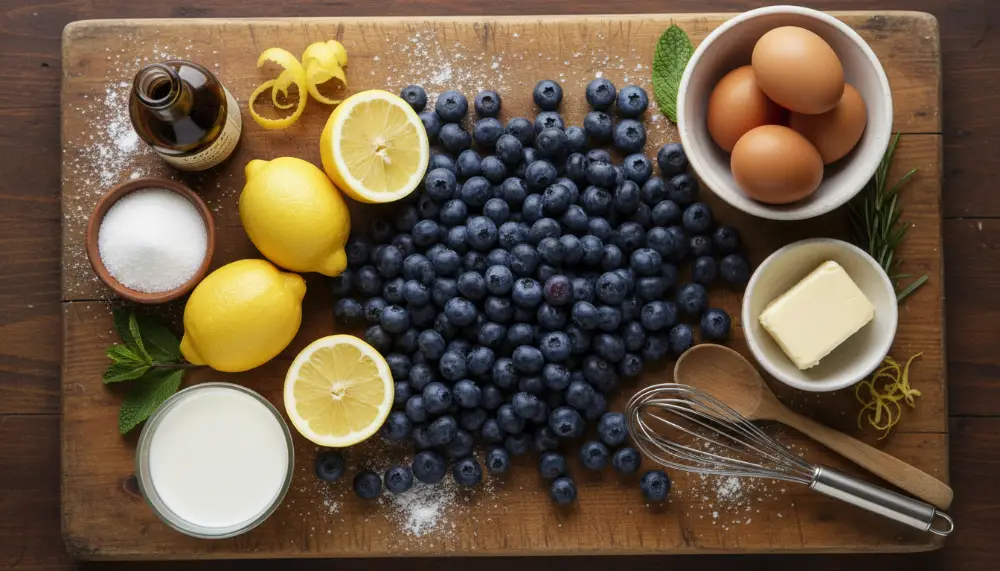
The Science of the Perfect Quick Bread Crumb
To achieve the ultimate texture in Blueberry Lemon Bread, one must understand the interaction between acid and base. The baking powder in this recipe reacts with the acidity of the lemon juice and Greek yogurt to create carbon dioxide bubbles. These bubbles expand during baking, resulting in a light, airy crumb that remains structurally sound enough to support the weight of the berries. Professionals often emphasize the “muffin method” of mixing, which involves combining wet and dry ingredients separately before bringing them together with minimal agitation. Over-mixing the batter triggers gluten development, which is desirable for a chewy sourdough but disastrous for a tender Blueberry Lemon Bread.
The choice of fat is equally critical. While some recipes call for oil for maximum moisture, we recommend high-quality unsalted butter for its superior flavor. When melted and combined with Greek yogurt, the butter provides a rich mouthfeel that oil simply cannot replicate. For those seeking professional results, utilizing tools like the Cuisinart 8 Cup Food Processor can help zest lemons and even pulse dry ingredients to ensure perfect distribution, which is a meal prep essential for frequent bakers.
Fresh vs. Frozen: The Blueberry Dilemma
One of the most common questions when making Blueberry Lemon Bread is whether to use fresh or frozen fruit. Fresh blueberries are the gold standard, as they hold their shape better and offer a distinct “pop” when bitten. However, they are seasonal and can be expensive. If using frozen berries, do not thaw them before adding them to the batter. Thawing causes the juices to bleed, which will turn your beautiful yellow loaf a murky shade of purple. A professional secret is to toss the berries, whether fresh or frozen, in a light dusting of flour. This increases the surface tension and helps the berries “grip” the batter, preventing them from sinking to the bottom of the pan during the bake.
Nutritional Insight and Ingredients
Blueberry Lemon Bread is more than just a treat, it offers a surprising array of nutritional benefits. A standard slice provides a significant dose of Vitamin C from the fresh lemon juice and zest. Furthermore, blueberries are packed with anthocyanins, powerful antioxidants that give them their deep blue hue. To ensure your ingredients remain fresh for every baking session, we highly recommend the Rubbermaid Brilliance Glass Storage Set. These leak-proof, stackable containers are perfect for storing extra berries or protecting your flour from humidity, ensuring your Blueberry Lemon Bread is always of the highest quality.
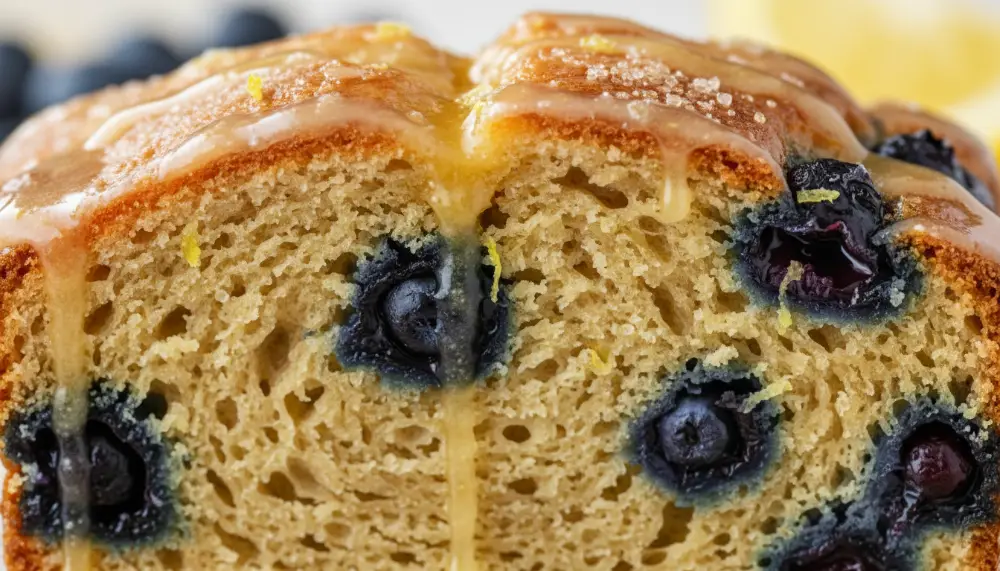
Professional Flavor Variations
While the classic recipe is divine, professional bakers often experiment with botanical and herbal infusions to elevate the Blueberry Lemon Bread experience. Consider adding a teaspoon of dried culinary lavender for a floral undertone that complements the citrus perfectly. Alternatively, minced lemon thyme provides an earthy, savory contrast that makes the bread feel more sophisticated. For a warm, Scandinavian twist, a half-teaspoon of ground cardamom can be whisked into the flour, adding a depth of flavor that lingers on the palate.
Texture is another area where you can excel. Some chefs replace a portion of the flour with almond meal for a nuttier, more tender crumb. If you find yourself making large batches of these variations, using a FoodSaver Vacuum Sealer Machine is a game-changer. It prevents freezer burn and keeps your ingredients, or even pre-sliced portions of the bread, fresh for much longer than standard plastic wrap.
Advanced Glazing and Finishing
The glaze is the crowning glory of Blueberry Lemon Bread. Many amateur bakers wait for the bread to cool completely before applying a thick, sugary icing. Professionals, however, often use a “poke-and-pour” technique. While the loaf is still warm, they use a thin skewer to poke small holes across the surface. A simple syrup made of lemon juice and sugar is then poured over the top, allowing the zesty liquid to penetrate deep into the crumb. This ensures that every bite is saturated with lemon flavor, not just the top layer.
If you prefer a thicker, white icing, ensure you are using a high-performance blending tool for a smooth consistency. The Ninja BN751 Professional Plus DUO Blender with its 1000W motor is perfect for whipping together a silky-smooth lemon glaze that won’t have any sugar granules. This same blender is a powerhouse for other kitchen tasks, making it a versatile addition to any home baker’s arsenal.
Troubleshooting Your Blueberry Lemon Bread
Is your bread too dense? You may have over-mixed or your baking powder might be expired. Always check the date on your leaveners before starting. Are your berries sinking? Remember the flour-tossing trick and ensure your batter is thick enough, thin batters allow gravity to pull fruit downward. If the top of your loaf is browning too quickly while the center remains raw, tent it with aluminum foil during the last 15 minutes of baking. This allows the interior to finish cooking without scorching the delicate crust.
For those who love a crispy exterior, try baking mini loaves in the Cosori 9-in-1 TurboBlaze Air Fryer. The rapid air circulation creates a stunning golden crust on all sides of the bread, which is a unique twist on the traditional oven method and perfect for smaller portions.