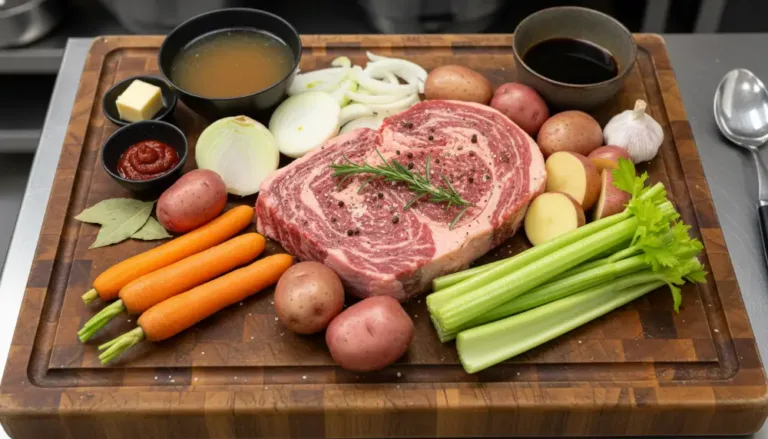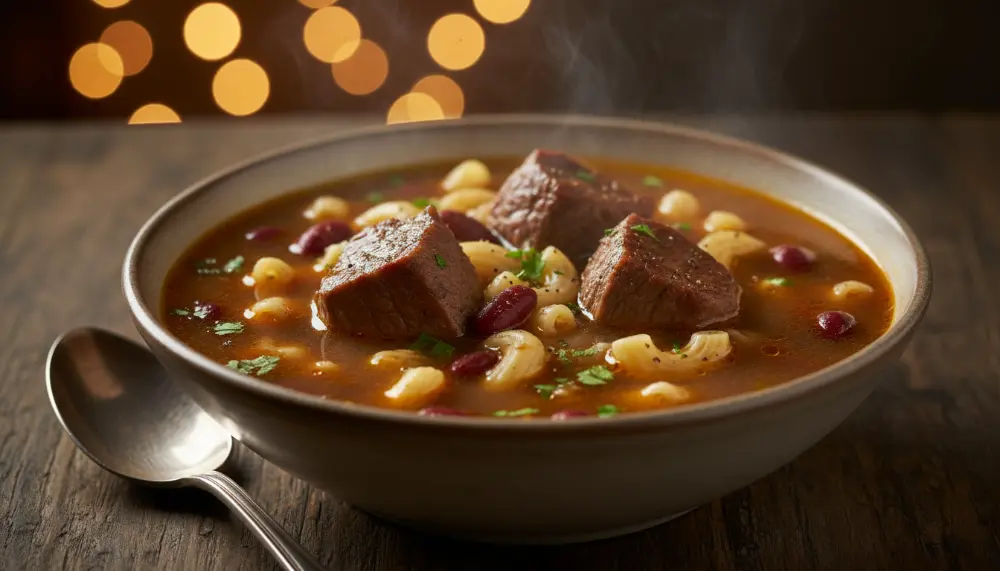
When it comes to enduring culinary traditions, few dishes evoke the sense of home and nostalgia quite like a steaming bowl of beef and macaroni soup. This robust, nutrient-dense meal combines the savory depth of slow-simmered beef with the satisfying texture of pasta, creating a symphony of flavors that has comforted generations.
Beef and Macaroni Soup
Ingredients
- 1 1 lb Lean Ground Beef (90/10)
- 2 1.5 cups Elbow Macaroni (Uncooked)
- 3 6 cups Beef Bone Broth
- 4 1 can (14.5 oz) Diced Tomatoes
- 5 2 tbsp Tomato Paste
- 6 1 large Onion, finely diced
- 7 2 Carrots, sliced into rounds
- 8 2 stalks Celery, chopped
- 9 3 cloves Garlic, minced
- 10 1 tbsp Worcestershire Sauce
- 11 1 tsp Balsamic Vinegar
- 12 Salt, Black Pepper, and Italian Seasoning to taste
Instructions
- 1 In a large Dutch oven, brown the ground beef over medium-high heat. Drain excess fat thoroughly.
- 2 Add onions, carrots, and celery. Sauté for 5-7 minutes until the vegetables soften and become fragrant.
- 3 Stir in the garlic and tomato paste. Cook for 2 minutes until the paste turns a dark rust color.
- 4 Deglaze the pot with a splash of beef broth and the balsamic vinegar, scraping the bottom for browned bits.
- 5 Add remaining broth, diced tomatoes, Worcestershire sauce, and seasonings. Bring to a boil, then simmer for 20 minutes.
- 6 Add the macaroni and simmer for an additional 8-10 minutes until pasta is tender. Serve immediately.
The Historical Significance of Beef and Macaroni Soup
The origins of beef and macaroni soup can be traced back to humble American kitchens, where efficiency and nutrition were the cornerstones of daily life. Often referred to as “Cowboy Soup” or “American Goulash Soup,” this dish was designed to stretch expensive meat components using affordable pantry staples like dried pasta and canned tomatoes. Over the decades, it has evolved from a survivalist meal to a beloved centerpiece of family dinner tables. What makes beef and macaroni soup truly unique is its versatility; it can be thin and brothy for a light lunch or thick and stew-like for a heavy winter dinner. The key to its longevity lies in the balance of protein, carbohydrates, and vegetables, providing a complete nutritional profile in a single pot. For those looking to master this dish, understanding the harmony between high-quality beef and the absorbent nature of macaroni is the first step toward culinary excellence.
Selecting the Perfect Beef for Maximum Umami
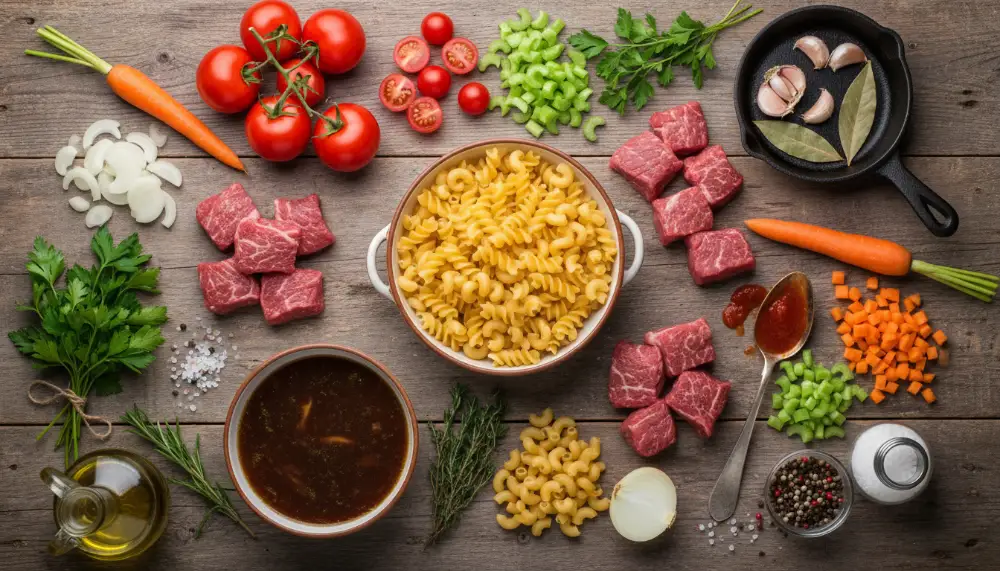
When preparing beef and macaroni soup, the quality of your meat determines the richness of the final broth. While many home cooks reach for standard ground beef, professional chefs often look for specific fat ratios and cuts. A 90/10 or 80/20 lean-to-fat ratio for ground beef is ideal. The fat provides the necessary flavor during the browning process, but it must be drained meticulously to ensure the soup remains clear and appetizing. For a more sophisticated texture, consider using cubed beef chuck roast. Chuck roast contains significant connective tissue that, when simmered slowly, transforms into gelatin, giving your beef and macaroni soup a silky, luxurious mouthfeel that ground meat simply cannot achieve. To prepare your aromatics efficiently, the Cuisinart 8 Cup Food Processor is a meal prep essential, allowing you to achieve a uniform dice on your carrots, onions, and celery in seconds.
The Role of Aromatics and the Maillard Reaction
The true depth of a restaurant-quality beef and macaroni soup comes from the Maillard reaction, the chemical reaction between amino acids and reducing sugars that gives browned food its distinctive flavor. When you sear the beef in a heavy-bottomed pot, do not rush the process. Let the meat develop a dark, crusty exterior. This “fond” on the bottom of the pan is the concentrated essence of flavor. Once the meat is browned, the introduction of the mirepoix (onion, carrots, and celery) is vital. These vegetables release moisture that begins the process of releasing the fond. To further enhance this, toasting the tomato paste is a non-negotiable step. By cooking the paste until it darkens, you remove its raw, metallic tang and replace it with a sweet, caramelized complexity that defines the backbone of the best beef and macaroni soup recipes. You can find more inspiration for foundational cooking techniques at Recette Healthy Facile.
Mastering Pasta Texture: Avoiding the Mushy Pitfall
The most common grievance when making beef and macaroni soup is the tendency for the pasta to become overly soft or bloated. Macaroni is highly absorbent; if it sits in the hot liquid for too long, it continues to soak up the broth, eventually losing its structure and turning into a starch-heavy mush. To maintain a perfect “al dente” bite, you have two professional options. The first is the one-pot method: only add the dry macaroni during the last 10 minutes of cooking. Turn off the heat when the pasta is just slightly firm, as the residual heat will finish the job. The second, and perhaps superior method for leftovers, is to cook the macaroni separately in salted water. Drain it and store it separately, only adding it to the individual bowls right before serving. This ensures that even on the third day, your beef and macaroni soup remains as fresh as the moment it was made.
Umami Boosters and Alcohol-Free Deglazing
Traditional European soups often rely on red wine to add acidity and depth. However, in our high-authority beef and macaroni soup, we achieve this through clever substitutions that respect dietary restrictions. To deglaze your pan without alcohol, use a combination of high-quality beef bone broth and a splash of balsamic vinegar or pomegranate juice. The acidity in the vinegar mimics the bright notes of wine, while the juice adds a subtle fruitiness that complements the savory beef. Furthermore, incorporating Worcestershire sauce and a hint of soy sauce provides a double dose of umami. These ingredients are rich in glutamates, which trick the palate into perceiving the dish as more savory and “meaty” than it actually is. For those who enjoy a smooth consistency in their base, using the Ninja BN751 Professional Plus DUO Blender can help emulsify a portion of the vegetable base into the broth for a thicker, richer texture.
The Importance of Proper Broth and Seasoning
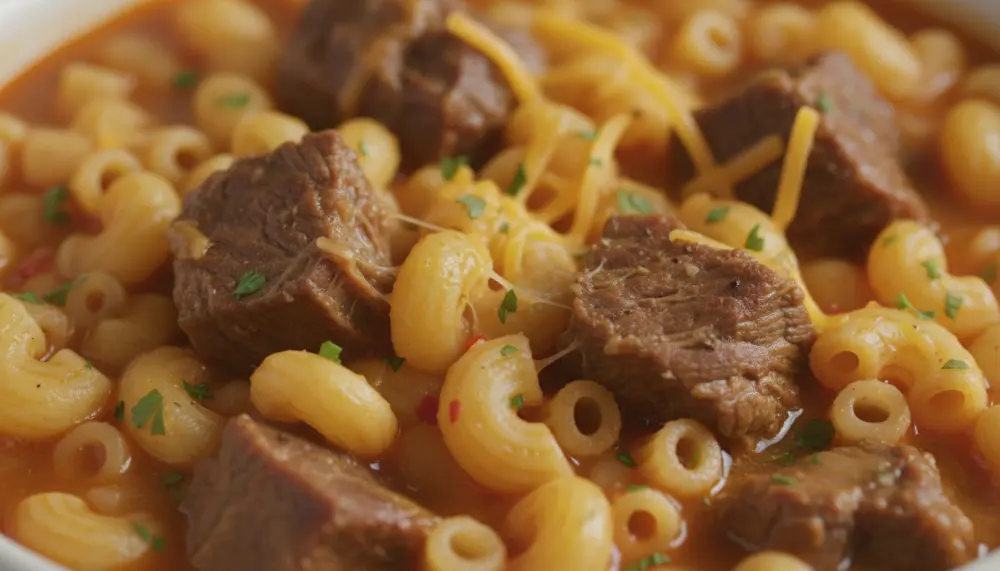
A beef and macaroni soup is only as good as the liquid it swims in. While store-bought stocks are convenient, they often lack the collagen and body of a true bone broth. If you are using store-bought options, look for “low sodium” versions so you can control the salt levels yourself. Seasoning should happen in layers. Salt the beef as it browns, salt the vegetables as they sweat, and do a final seasoning check before adding the pasta. Remember that as the soup simmers, the liquid evaporates, concentrating the salt. Always taste your beef and macaroni soup at the very end to ensure it hits the perfect balance. If you find the soup too rich, a tiny squeeze of lemon juice or a teaspoon of apple cider vinegar at the very end can “wake up” the flavors without being detectable as a separate ingredient.
Meal Prep, Storage, and Reheating Excellence
One of the greatest benefits of beef and macaroni soup is its ability to taste even better the next day. As the soup cools, the flavors of the garlic, herbs, and beef continue to meld and develop. However, storage is key to maintaining food safety and quality. Using high-quality containers like the Rubbermaid Brilliance Glass Storage Set of 9 is highly recommended. These leak-proof, stackable containers prevent odors from the fridge from penetrating your soup and allow for safe reheating in the microwave or oven. When reheating beef and macaroni soup, you may notice it has thickened significantly into a stew. Simply add a splash of water or broth to loosen it up before heating. For a crispy side to accompany your leftovers, the Cosori 9-in-1 TurboBlaze Air Fryer 6 Qt is perfect for making homemade croutons or roasting extra vegetables to toss back into the pot.
Common Variations and Dietary Adaptations
While the classic beef and macaroni soup is a masterpiece on its own, many regions have their own spin. In the Midwest, it’s common to add a can of corn or green beans for a “kitchen sink” style meal. If you prefer a bit of heat, adding red chili flakes or a diced jalapeño with the aromatics can transform the dish into a spicy delight. For those avoiding gluten, gluten-free elbow macaroni works exceptionally well, though it tends to release more starch, so the separate cooking method is even more vital. Regardless of the variation, the core principles of browning the beef and building a deep, savory base remain the same. This dish is a canvas for your creativity, allowing you to adapt to whatever is in your pantry while still delivering a high-authority culinary experience. You can find more detailed guides on soup variations at Recette Healthy Facile.
Frequently Asked Questions (FAQ)
Can I freeze beef and macaroni soup? Yes, but it is highly recommended to freeze the soup base without the macaroni. Pasta tends to break down and become mushy when frozen and thawed. Freeze the beef and broth mixture, then simply boil fresh macaroni when you are ready to serve.
What can I use instead of ground beef? Ground lamb is an excellent alternative that provides a slightly more gamey, rich flavor. You can also use finely chopped beef sirloin for a leaner, more steak-like experience in your beef and macaroni soup.
How do I fix a soup that is too salty? If your beef and macaroni soup has become too salty, you can add a peeled, halved potato to the pot and simmer for 10 minutes; the potato will absorb some of the excess salt. Alternatively, diluting the soup with a bit more unsalted broth or water can help balance the flavors.