Master the art of the perfect bakery-style Cinnamon Sugar Scones with this professional guide designed to give you flaky, buttery layers every single time. These scones combine the warmth of aromatic cinnamon with a crisp, granulated sugar crust that provides a satisfying crunch against the tender crumb.
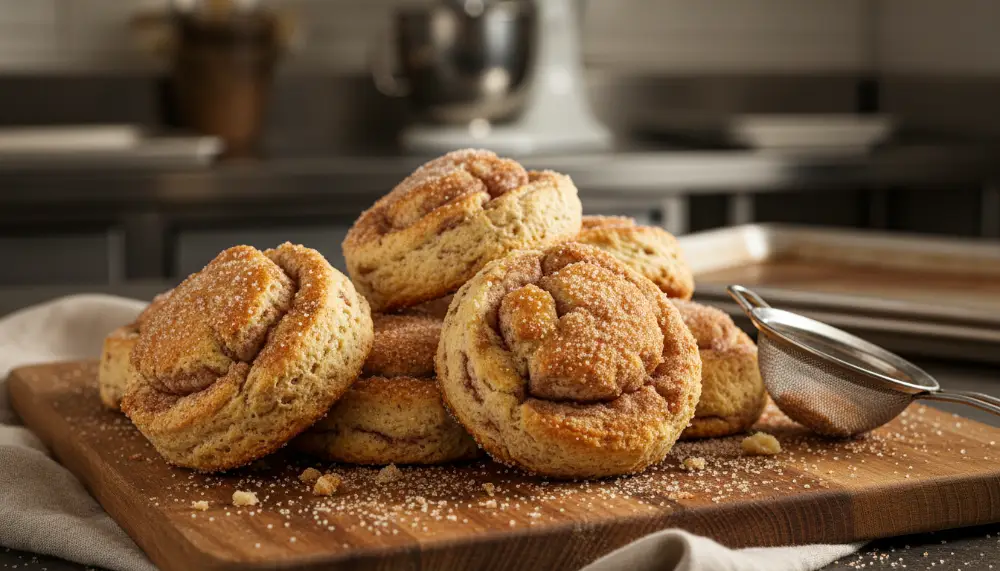
Cinnamon Sugar Scones
Ingredients
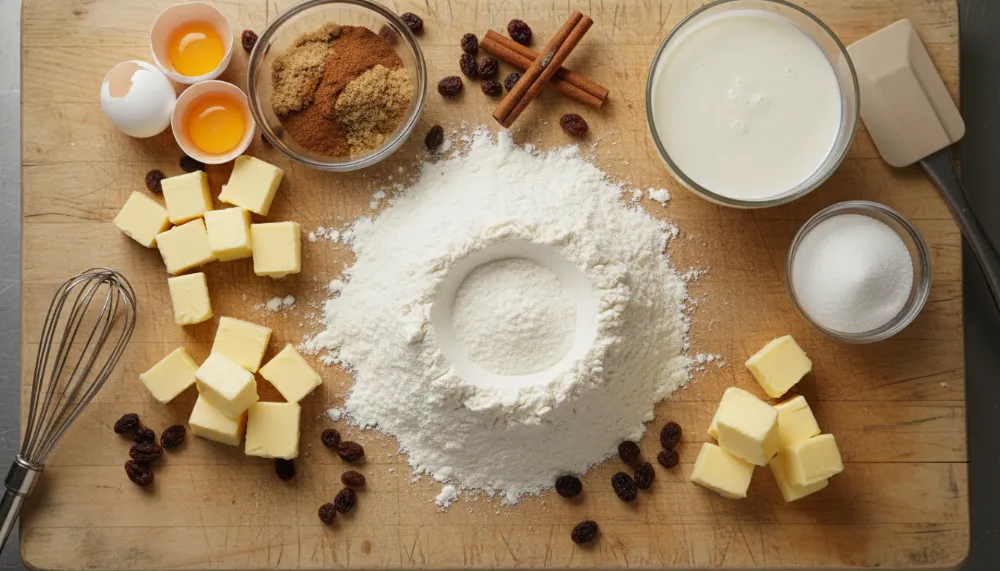
- 1 3 cups All-purpose flour
- 2 1/2 cup Granulated sugar (plus 2 tbsp for topping)
- 3 1 tbsp Baking powder
- 4 2 tsp Ground cinnamon (plus 1 tsp for topping)
- 5 1/2 tsp Salt
- 6 3/4 cup Unsalted butter (frozen and grated)
- 7 1 cup Heavy cream (cold)
- 8 1 tsp Non-alcoholic vanilla bean paste
- 9 1 Large egg
Instructions
- 1 Preheat oven to 400°F (200°C) and line a baking sheet with parchment paper.
- 2 In a large bowl, whisk together flour, sugar, baking powder, cinnamon, and salt.
- 3 Use a grater to shred the frozen butter into the dry mixture. Gently toss to coat.
- 4 Whisk heavy cream, egg, and vanilla bean paste together, then pour over the dry ingredients.
- 5 Fold until a shaggy dough forms. Turn onto a floured surface and pat into a 1-inch thick circle.
- 6 Cut into 8 wedges. Brush with cream and sprinkle with the extra cinnamon-sugar mixture.
- 7 Bake for 18-22 minutes until golden brown and firm to the touch.
The Fascinating History of Cinnamon Sugar Scones
The journey of the scone is a culinary odyssey that began in the rugged highlands of Scotland during the early 16th century. Historically, these were not the oven-baked delights we recognize today but rather large, flat rounds of unleavened oats known as bannocks. These bannocks were cooked on a griddle over an open flame, then sliced into triangular wedges called farls. It wasn’t until the mid-19th century, with the advent of chemical leavening agents like baking powder and the widespread availability of wheat flour, that the modern, fluffy scone was born. The tradition of incorporating cinnamon and sugar likely evolved as scones moved from a survival staple to a centerpiece of the British Afternoon Tea, a ritual popularized by the Duchess of Bedford around 1840. By the early 1900s, recipes for “Cinnamon Scones” began appearing in regional cookbooks, transforming a simple bread into a spiced treat enjoyed globally.
The Science of Scone Texture: Why Cold Butter is Non-Negotiable
To understand why Cinnamon Sugar Scones are so uniquely delicious, one must understand the chemistry of the ingredients. The primary goal in scone making is “lamination light.” Unlike puff pastry, which requires hours of folding, scones rely on pea-sized pockets of cold butter. When these cold butter pieces hit the intense heat of a 400°F oven, the water within the butter evaporates instantly, creating steam. This steam pushes the dough upward, creating those coveted flaky layers. If the butter is room temperature, it simply melts into the flour, resulting in a dense, cake-like texture rather than a light, airy crumb. This is why many professional bakers, and this recipe, recommend freezing the butter and grating it, ensuring maximum surface area while keeping the fat at a sub-zero temperature until the very last second.
Professional Tools for Perfect Scones
Achieving bakery-level results requires the right equipment. Here are my professional recommendations for your kitchen arsenal:
- Cuisinart 8 Cup Food Processor: https://amzn.to/47Nhbg8 (Why Perfect: This is the absolute best way to cut butter into flour without warming it with your hands. A few pulses create the perfect sandy texture required for Cinnamon Sugar Scones.)
- Ninja BN751 Professional Plus DUO Blender: https://amzn.to/3LCDyNR (Why Perfect: While not for the dough itself, this is perfect for creating ultra-fine cinnamon sugar blends or whipping up a quick glaze to drizzle over your finished bakes.)
- Cosori 9-in-1 TurboBlaze Air Fryer 6 Qt: https://amzn.to/4hRWmVq (Why Perfect: For a small batch of Cinnamon Sugar Scones, the air fryer provides intense circular heat that mimics a commercial convection oven, leading to an even better rise.)
- Rubbermaid Brilliance Glass Storage Set of 9: https://amzn.to/4oD0YkY (Why Perfect: These are essential for storing your pre-mixed dry ingredients or keeping leftover scones fresh and moist for days.)
- FoodSaver Vacuum Sealer Machine: https://amzn.to/4qWgVnS (Why Perfect: Scone dough freezes beautifully. Use this to seal individual unbaked wedges so you can have a fresh Cinnamon Sugar Scone whenever the craving strikes.)
A Deep Dive into Ingredients: Flour, Fat, and Flavor
When making Cinnamon Sugar Scones, the quality of your ingredients is the difference between a good scone and a life-changing one. Let’s break down the core components. First, the flour. All-purpose flour is standard, but some professionals prefer a blend of all-purpose and pastry flour to lower the protein content, ensuring the scone stays tender. The cinnamon should ideally be high-grade Cassia for that bold, spicy punch that stands up to the sweetness of the sugar. Since we are avoiding alcohol-based extracts, using a non-alcoholic vanilla bean paste provides those beautiful black specks and a deep, floral aroma without the chemical aftertaste of cheap extracts. For the dairy, heavy cream is superior to milk or buttermilk for this specific recipe because its higher fat content contributes to a shorter, more tender crumb that shatters perfectly when bitten.
Flavor Variations for the Gourmet Baker
While the classic Cinnamon Sugar Scones are perfection, you can easily adapt the base recipe to suit different palates. Consider these high-authority variations:
1. Apple Cinnamon Harvest Scones
Incorporate one cup of finely diced, dried Granny Smith apples into the dry mix. Instead of using any alcohol-based flavorings, brush the tops with a touch of concentrated apple juice before applying the cinnamon-sugar topping. This adds a tart, autumnal complexity that pairs beautifully with the spice.
2. Savory Beef and Cinnamon Scones
For a unique twist, reduce the sugar in the dough to two tablespoons and fold in bits of finely chopped, dried beef or jerky. The sweetness of the cinnamon sugar crust against the savory saltiness of the beef creates a sophisticated flavor profile reminiscent of Moroccan pastilla.
3. Chai-Spiced Cinnamon Scones
Elevate the spice profile by adding a half-teaspoon each of ground cardamom, ginger, and cloves to the flour. The result is a “dirty chai” inspired scone that feels incredibly luxurious when served with a hot cup of tea.

Step-by-Step Mastery: Techniques of the Pros
The secret to the Cinnamon Sugar Scones lies in the handling. Once the wet ingredients meet the dry, speed is of the essence. You want to work the dough just until it holds together. Over-mixing activates the gluten, which leads to a tough, bready scone. When you turn the dough onto your work surface, use a “fold and pat” method. Fold the dough over itself three or four times, which creates artificial layers that will expand in the oven. When cutting the wedges, use a very sharp knife or bench scraper and press straight down. Never saw the dough, as this seals the edges and prevents the scone from rising properly. Finally, always chill your shaped scones for 15 minutes in the freezer before baking. This shocks the butter, ensuring it is as cold as possible when it hits the heat, resulting in maximum lift.
Nutritional Overview and Dietary Considerations
A standard Cinnamon Sugar Scone is an indulgent treat, but it can be part of a balanced diet. On average, one scone provides approximately 380 calories, with 20 grams of fat and 48 grams of carbohydrates. While the sugar content is notable, the use of cinnamon offers some metabolic benefits, as the spice is known for its antioxidant properties. For those looking to reduce the glycemic impact, you can substitute half of the granulated sugar with a high-quality granulated stevia blend or coconut sugar, though this may slightly alter the final texture of the crust. By using beef-based or vegetarian fats if required, you ensure a richness that matches traditional recipes while adhering to strict dietary preferences.
Troubleshooting Common Scone Issues
Even experienced bakers sometimes run into trouble. If your Cinnamon Sugar Scones spread too much in the oven, it is almost certainly because the butter was too warm or you used too much liquid. Always measure your cream carefully. If the scones are dry and crumbly, you may have over-baked them or added too much flour during the shaping process. Remember that the dough should be slightly tacky, not dry like biscuit dough. If your scones didn’t rise, check the freshness of your baking powder, as it loses its potency after six months. By mastering these small details, you ensure that every batch of Cinnamon Sugar Scones you produce is worthy of a high-end bakery window.