This vibrant Lemon Poppy Seed Bread combines the bright zing of fresh citrus with the delightful crunch of nutty poppy seeds for a truly irresistible bake. It is a moist, bakery-style loaf that transforms a simple afternoon tea into a gourmet experience.

Best Ever Lemon Poppy Seed Bread
Ingredients
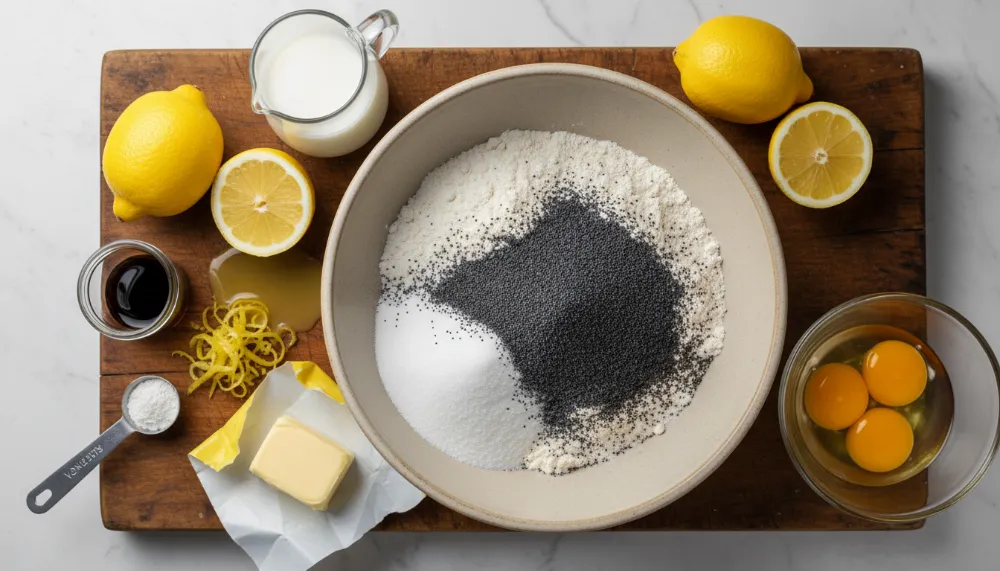
- 1 1.5 Cups All-Purpose Flour
- 2 1 Cup Granulated Sugar
- 3 1 Tbsp Poppy Seeds
- 4 1 Tsp Baking Powder
- 5 1/2 Tsp Salt
- 6 2 Large Eggs
- 7 1/2 Cup Vegetable Oil
- 8 1/2 Cup Buttermilk
- 9 2 Tbsp Fresh Lemon Juice
- 10 1 Tbsp Lemon Zest
- 11 1 Tsp Vanilla Bean Paste
Instructions
- 1 Preheat oven to 350°F (175°C) and grease a 9×5 inch loaf pan.
- 2 In a large bowl, whisk together flour, sugar, poppy seeds, baking powder, and salt.
- 3 In a separate bowl, whisk eggs, oil, buttermilk, lemon juice, zest, and vanilla bean paste.
- 4 Gently fold the wet ingredients into the dry ingredients until just combined. Do not overmix.
- 5 Pour batter into the prepared pan and bake for 50-60 minutes until a toothpick comes out clean.
- 6 Cool in pan for 10 minutes, then transfer to a wire rack to glaze.
The Fascinating History of Lemon Poppy Seed Bread
While we often think of Lemon Poppy Seed Bread as a modern coffee shop staple, its roots reach back thousands of years across various continents. The journey of the poppy seed began in the Mediterranean and ancient Mesopotamia, where Papaver somniferum was cultivated as early as 3,000 BCE. Ancient civilizations valued these tiny seeds for their dense nutritional profile, including healthy fats and minerals, and often used them in traditional breads and cakes. As these seeds traveled along trade routes, they became central to Central and Eastern European baking, appearing in dense, yeasted holiday rolls in Poland, Hungary, and Germany.
The transformation into the “quick bread” we recognize today occurred during the late 19th century in the United States. With the commercial advent of chemical leaveners like baking powder and baking soda, home bakers no longer had to wait hours for yeast to rise. This innovation allowed for the creation of tender, cake-like loaves that could be prepared and baked within an hour. The pairing of lemon with poppy seeds was a stroke of culinary genius, the high oil content of the seeds provides a rich, nutty flavor that acts as a perfect foil to the sharp, acidic brightness of citrus. This combination eventually became a quintessential American flavor profile, synonymous with high tea and breakfast buffets alike.
The Science Behind the Perfect Moist Crumb
Achieving the perfect texture in a Lemon Poppy Seed Bread is a matter of chemistry. Quick breads rely on the reaction between acidic and alkaline ingredients to create lift. In this recipe, the lemon juice and buttermilk serve as the acids, while the baking powder provides the leavening. When these meet, they produce carbon dioxide bubbles that expand in the oven heat, resulting in a light, airy crumb.
To ensure your Lemon Poppy Seed Bread remains moist, the ratio of fat to flour is critical. Using vegetable oil instead of butter often yields a more consistent, long-lasting moisture, as oil remains liquid at room temperature. Furthermore, the poppy seeds themselves contribute to the texture, their small, hard shells provide a subtle snap that contrasts with the softness of the bread, while their internal oils add a layer of richness that butter alone cannot replicate. Professionals often recommend using room-temperature eggs and buttermilk to ensure an even emulsion, preventing the batter from breaking and resulting in a smoother, more professional finish.
Essential Tools for Baking Success
To achieve professional results at home, having the right equipment is just as important as the ingredients. Here are our top recommendations for baking and maintaining your Lemon Poppy Seed Bread:
- Ninja BN751 Professional Plus DUO Blender: https://amzn.to/3LCDyNR (Why Perfect: While primarily a blender, its 1000W motor is fantastic for quickly emulsifying your wet ingredients or creating a perfectly smooth lemon zest-infused sugar.)
- Cosori 9-in-1 TurboBlaze Air Fryer 6 Qt: https://amzn.to/4hRWmVq (Why Perfect: Excellent for quickly toasting poppy seeds before adding them to the batter to enhance their nuttiness, or for reheating a single slice to get that “just baked” warmth.)
- Cuisinart 8 Cup Food Processor: https://amzn.to/47Nhbg8 (Why Perfect: Ideal for “rubbing” the lemon zest into the granulated sugar, which releases the essential oils and creates a much more intense citrus flavor throughout the loaf.)
- Rubbermaid Brilliance Glass Storage Set: https://amzn.to/4oD0YkY (Why Perfect: Keeps your Lemon Poppy Seed Bread moist for days, the leak-proof seal prevents the bread from drying out or absorbing other fridge odors.)
- FoodSaver Vacuum Sealer Machine: https://amzn.to/4qWgVnS (Why Perfect: If you bake in batches, vacuum sealing individual slices is the best way to prevent freezer burn and maintain that fresh citrus aroma.)
Professional Variations and Flavor Enhancements
While the classic recipe is divine, professional pastry chefs often use specific techniques to elevate the Lemon Poppy Seed Bread experience. Because this recipe follows strict dietary guidelines, we avoid alcohol-based extracts. Instead, we use high-quality vanilla bean paste or lemon emulsions.
One popular professional twist is the Herbal Infusion. By adding a tablespoon of finely minced fresh thyme or lavender to the dry ingredients, you introduce an earthy, floral dimension that complements the poppy seeds beautifully. Another variation involves using Meyer Lemons. These are a cross between a regular lemon and a mandarin orange, offering a sweeter, less acidic profile that makes the bread taste incredibly sophisticated. For those who enjoy a bit of texture, a Walnut Streusel topping adds a crunch that elevates the bread from a simple loaf to a centerpiece dessert.

Nutritional Profile of Your Favorite Citrus Loaf
Understanding the nutrition of Lemon Poppy Seed Bread helps in appreciating it as a balanced treat. A standard slice provides a unique blend of macronutrients. The poppy seeds are more than just a decoration, they are a significant source of calcium, iron, and magnesium. They also contain healthy oleic and linoleic acids, which are beneficial for heart health.
The lemon component, while losing some vitamin C during the heat of the baking process, still provides powerful antioxidants known as limonoids. By using vegetable oil and avoiding pork-based fats like lard, this recipe remains a lighter option compared to many traditional European pastries. Using buttermilk adds a touch of protein and calcium while keeping the fat content lower than if heavy cream were used.
Tips for the Perfect Glaze
A Lemon Poppy Seed Bread is only as good as its glaze. To ensure a professional finish, apply the glaze while the bread is still slightly warm but not hot. This allows a small amount of the glaze to soak into the top layer, creating a moist “margin,” while the rest sets into a crisp, sugary shell. For a more intense flavor, use a mixture of lemon juice and a tiny pinch of white pepper. The subtle heat of the pepper acts as a flavor enhancer for the citrus, making the lemon notes pop without adding actual spiciness. If you prefer a thicker, white glaze, increase the ratio of powdered sugar and add a teaspoon of milk or heavy cream until the desired consistency is reached.
Proper Storage and Freezing Instructions
To keep your Lemon Poppy Seed Bread at peak freshness, storage is key. At room temperature, the bread will stay moist for about 2 to 3 days if kept in an airtight container. Because of the high moisture content from the lemon juice and oil, it is prone to softening if kept in a warm environment. For longer storage, the refrigerator is an option, though it can sometimes dry out the crumb, so ensure it is wrapped tightly in plastic wrap before being placed in a container.
For long-term preservation, Lemon Poppy Seed Bread freezes exceptionally well. We recommend slicing the loaf first, then placing parchment paper between the slices. Use a FoodSaver Vacuum Sealer to remove all air, or wrap the slices tightly in heavy-duty aluminum foil. When you are ready for a treat, you can thaw a single slice at room temperature for 30 minutes or use the Cosori Air Fryer on a low setting for 2-3 minutes to restore the perfect texture.