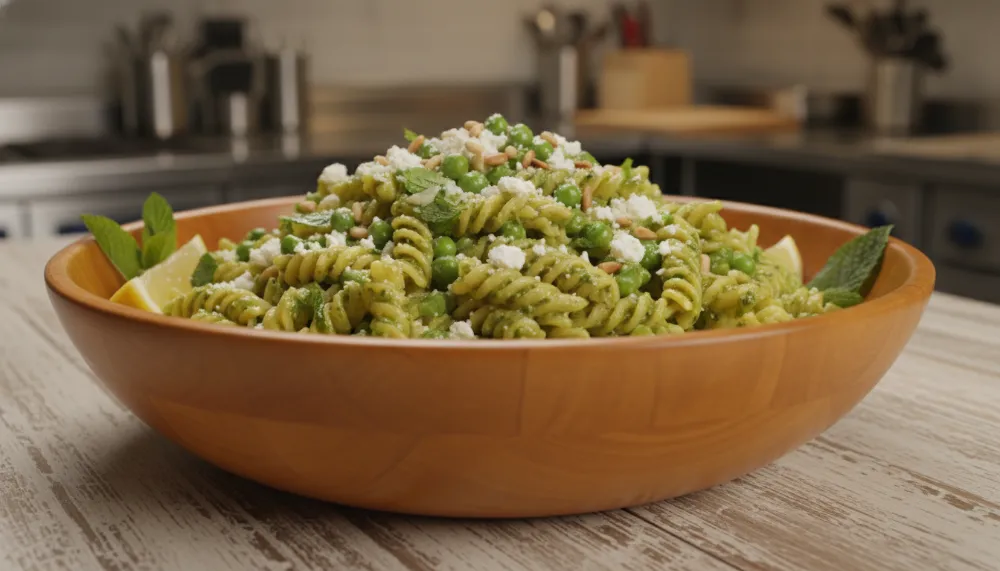
This vibrant pea and mint pasta salad is the quintessential celebration of spring, combining sweet garden peas with cooling herbs and zesty citrus for a refreshing meal that tastes like sunshine in a bowl. It is the perfect light lunch or side dish for your next outdoor gathering, providing a burst of seasonal flavor in every bite.
Zesty Pea and Mint Pasta Salad
Ingredients
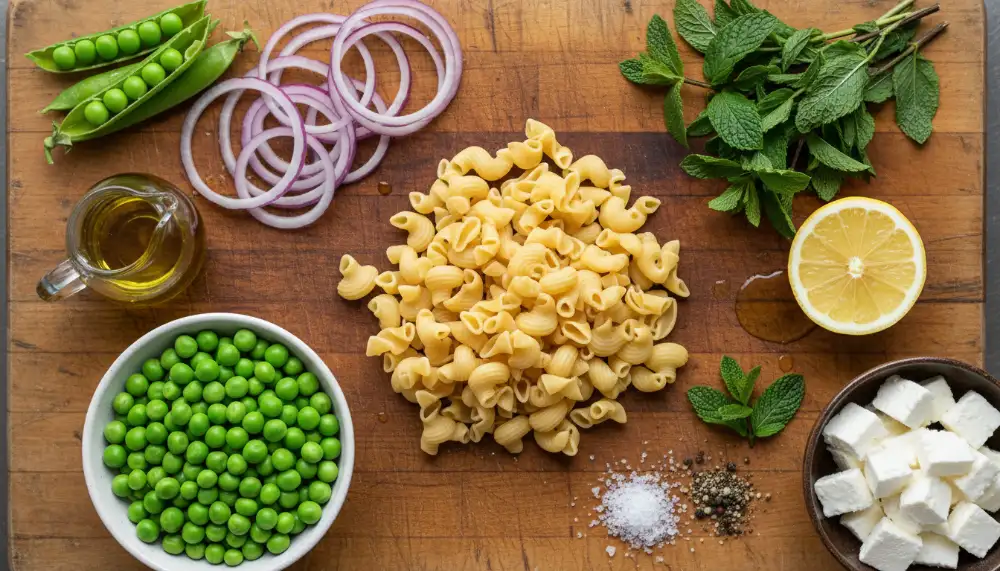
- 1 16 oz box of Fusilli or Rotini pasta
- 2 2 cups fresh English peas or frozen petite peas
- 3 1/2 cup fresh mint leaves, finely chiffonaded
- 4 1/3 cup high-quality extra virgin olive oil
- 5 3 tbsp fresh lemon juice and 1 tsp lemon zest
- 6 1/2 cup ricotta cheese or crumbled feta
- 7 2 cloves garlic, minced very fine
- 8 Sea salt and fresh cracked black pepper to taste
Instructions
- 1 Boil a large pot of heavily salted water. Cook pasta according to package directions until al dente.
- 2 During the last 2 minutes of cooking the pasta, add the fresh or frozen peas directly into the boiling water with the pasta.
- 3 Drain the pasta and peas, then immediately rinse with cold water to stop the cooking process and lock in the bright green color.
- 4 In a small bowl, whisk together the olive oil, lemon juice, zest, minced garlic, salt, and pepper.
- 5 Place the cooled pasta and peas in a large mixing bowl. Pour the dressing over the top and toss to coat.
- 6 Gently fold in the fresh mint and ricotta cheese. Serve immediately or chill for 30 minutes to let flavors meld.
The Historical Significance of Pea and Mint Pasta Salad
While we often think of the pea and mint pasta salad as a modern picnic staple, its components have a rich history that spans centuries. The pairing of peas and mint specifically is a masterclass in British gardening tradition. In 18th-century England, the arrival of “peas by the king’s birthday” on June 4th was the definitive marker of a successful garden. Mint was almost always planted alongside these legumes, as the herb’s vigorous growth acted as a natural companion, and its cooling menthol notes were found to perfectly enhance the natural sugars found in young English peas.
The transformation into a cold pasta salad, however, finds its roots in the Italian Jewish community. Historically, Sabbath laws prohibited cooking on the day of rest, which meant that dishes had to be prepared in advance and served cold. This necessity birthed a whole category of pasta dishes that were designed to be eaten at room temperature or chilled, long before refrigeration became a household standard. As the dish moved through the 20th century, it evolved from a simple side to a gourmet centerpiece, celebrated for its “culinary restraint”, a term professional chefs use to describe dishes where high-quality ingredients are allowed to shine without being masked by heavy sauces.
The Science of the Perfect Pairing: Why Peas and Mint Work
There is a biological reason why “pea and mint pasta salad” remains a classic. Peas are high in starch and natural sugars, which can sometimes feel heavy on the palate. Mint contains menthol, which triggers the cold-sensitive TRPM8 receptors in the mouth. This creates a sensory contrast where the sweetness of the pea is balanced by a chemical sensation of coolness. When you add lemon juice to the mix, the citric acid cuts through the starch of the pasta, creating a perfectly balanced flavor profile that hits all the major taste receptors: sweet, sour, salty, and a touch of savory umami from the cheese.
Nutritional Benefits of Seasonal Cooking
A serving of this salad is more than just a delicious side dish, it is a nutritional powerhouse. Fresh peas are technically legumes, meaning they offer a much higher protein content than most green vegetables. A single cup of peas contains about 8 grams of protein. When combined with the complex carbohydrates of the pasta, you get a sustained energy release that is perfect for a light dinner. This dish is also rich in Vitamin C, Vitamin K, and manganese. For those looking to increase their fiber intake, using a whole-wheat or chickpea-based pasta can further elevate the health benefits of this seasonal favorite.
Professional Variations: Elevating Your Pasta Salad
If you want to move beyond the basic recipe, professional chefs often use specific techniques to add depth. One popular method is the “Pea Pesto” variation. Instead of leaving all the peas whole, you can take half of your blanched peas and pulse them in a high-quality blender with the mint and olive oil. Using a tool like the Ninja BN751 Professional Plus DUO Blender is perfect for this, as its 1000W motor creates a silky smooth green sauce that coats every ridge of the pasta, ensuring flavor in every bite.
The Beef Gremolata Twist
Since this recipe strictly avoids pork, you can achieve a savory, salty kick by adding thinly sliced grilled beef. A sirloin or flank steak, seasoned with sea salt and black pepper, can be grilled to medium-rare and sliced across the grain. This adds a robust protein element that transforms the salad into a hearty main course. The beef pairs exceptionally well with a gremolata-style dressing made of lemon zest, garlic, and mint.
The Lemon-Herb Chicken Variation
For a lighter protein option, shredded roasted chicken breast is a fantastic addition. You can quickly prep the chicken or even roast some chickpeas for a crunchy vegetarian protein boost using the Cosori 9-in-1 TurboBlaze Air Fryer 6 Qt. The air fryer ensures the chickpeas are perfectly crispy without the need for excess oil, providing a delightful texture contrast to the soft pasta and tender peas.
Essential Kitchen Tools for Meal Prep Success
Success in making a large-batch pea and mint pasta salad often comes down to the efficiency of your preparation. For chopping large quantities of fresh mint, scallions, or even making your own breadcrumbs, a Cuisinart 8 Cup Food Processor is an essential tool. It reduces prep time from twenty minutes to two, which is vital for busy weeknights.
Once your salad is prepared, storage is the next most important factor. Pasta salads can often dry out in the fridge as the pasta absorbs the dressing. To prevent this, store your salad in high-quality, airtight containers like the Rubbermaid Brilliance Glass Storage Set. These containers are leak-proof and stackable, keeping the mint fresh and the dressing emulsified. If you are prepping ingredients like fresh peas in bulk, using a FoodSaver Vacuum Sealer Machine can help keep your seasonal vegetables from losing their sweetness in the freezer, allowing you to enjoy this spring flavor all year round.
Mastering the Texture: The Secrets to Cold Pasta
The most common mistake people make with cold pasta salad is under-seasoning or overcooking the pasta. When pasta is served cold, the flavor of the salt in the boiling water is less pronounced, so you must ensure the water is “salty like the sea.” Additionally, pasta continues to soften as it absorbs dressing, so cooking it to a firm al dente is non-negotiable. Rushing the cooling process by rinsing with cold water is actually a professional secret, it removes excess starch that would otherwise make the salad gummy and sticks the pasta together.
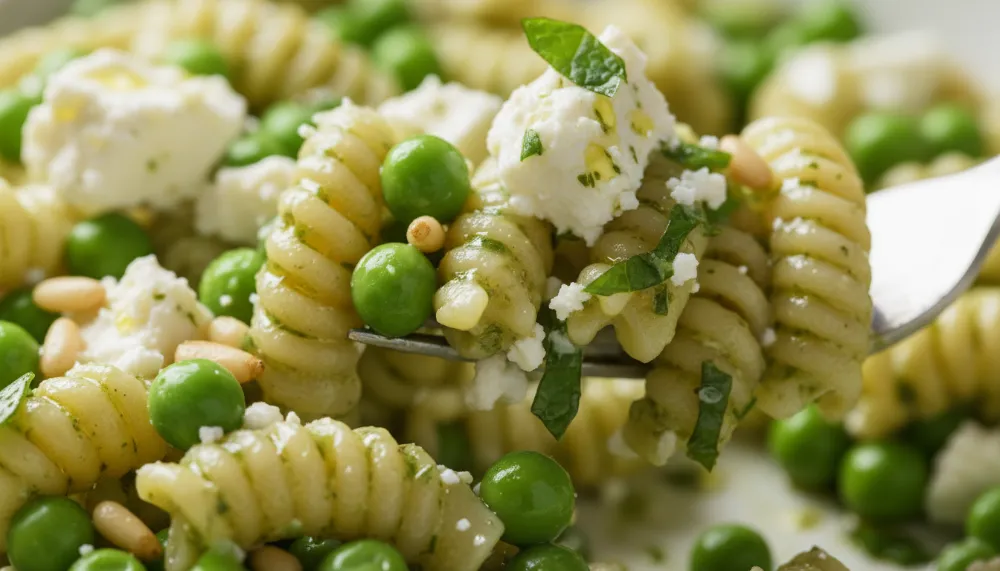
For a richer texture, many chefs suggest adding a dollop of ricotta or a sprinkle of goat cheese. This adds a creamy element that mimics a sauce without the weight of heavy cream. When the creamy cheese mixes with the lemon juice and olive oil, it creates a light, emulsified coating that clings beautifully to shapes like fusilli or campanelle.
Frequently Asked Questions
Can I use frozen peas?
Absolutely. In many cases, frozen peas are actually superior to “fresh” peas bought at a grocery store, as they are flash-frozen within hours of harvest, preserving their sugar content. Just ensure you blanch them for no more than 60 to 90 seconds to maintain their snap.
How long will this last in the fridge?
Pea and mint pasta salad is best consumed within 2 to 3 days. After that, the mint may begin to oxidize and turn dark, and the pasta may become too soft. If you are meal prepping, keep the dressing and the mint separate until you are ready to serve.
What other herbs can I use?
While mint is the star here, you can add flat-leaf parsley, dill, or chives to add complexity to the flavor profile. Avoid woody herbs like rosemary or thyme, as they are too strong for the delicate flavors of the peas.