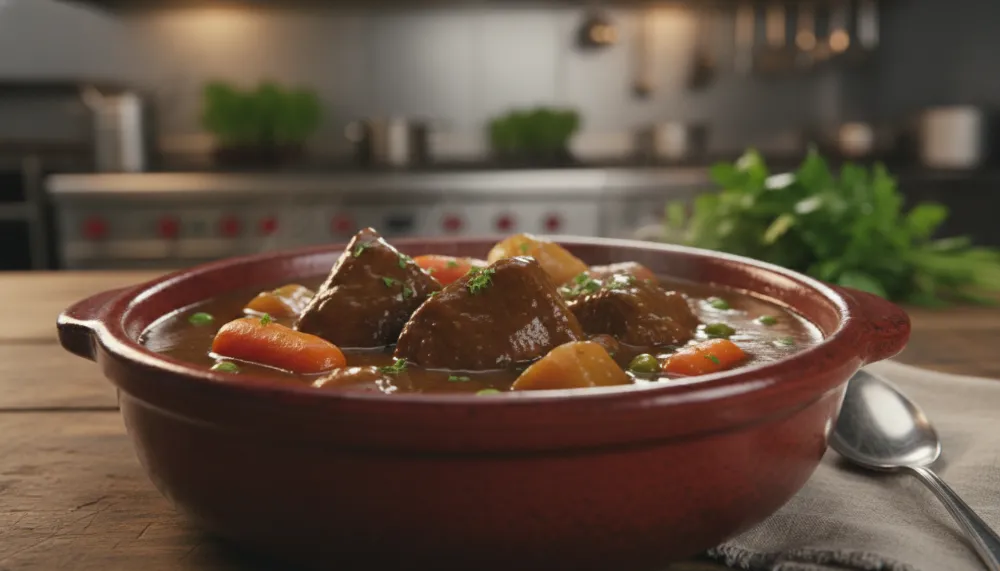
Experience the ultimate comfort food with this rich, melt-in-your-mouth Slow Cooker Beef Stew that transforms simple ingredients into a gourmet masterpiece. This foolproof recipe delivers deep savory flavor and tender textures without the need for wine or pork products.
Gourmet Slow Cooker Beef Stew
Ingredients
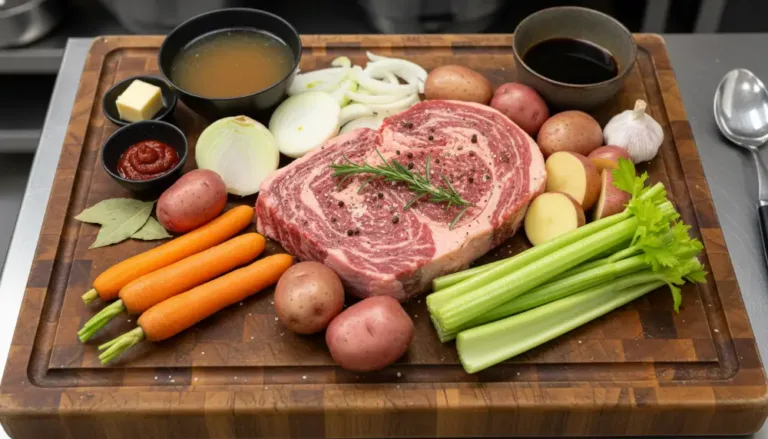
- 1 2 lbs Beef Chuck Roast, cut into 1.5 inch cubes
- 2 1/4 cup All-Purpose Flour (for coating)
- 3 3 tbsp Olive Oil
- 4 1 lb Yukon Gold Potatoes, cubed
- 5 4 large Carrots, peeled and sliced into thick rounds
- 6 2 Celery Stalks, chopped
- 7 1 large Yellow Onion, diced
- 8 4 cups Low-Sodium Beef Broth
- 9 2 tbsp Balsamic Vinegar
- 10 2 tbsp Tomato Paste
- 11 3 cloves Garlic, minced
- 12 1 tsp Dried Thyme and 1 Bay Leaf
Instructions
- 1 Toss the beef cubes with flour, salt, and pepper until well coated.
- 2 Heat olive oil in a skillet over medium-high heat. Sear beef in batches until browned on all sides, then transfer to the slow cooker.
- 3 In the same skillet, sauté onions and garlic for 2 minutes. Deglaze the pan with balsamic vinegar, scraping up any browned bits.
- 4 Add potatoes, carrots, celery, beef broth, tomato paste, thyme, and the bay leaf to the slow cooker. Stir to combine.
- 5 Cover and cook on LOW for 7-8 hours or HIGH for 4-5 hours until the beef is fork-tender.
- 6 Discard the bay leaf. Season with additional salt and pepper to taste before serving.
The Ancient History of Stewing
The concept of Slow Cooker Beef Stew is not just a modern convenience, it is a culinary tradition that spans millennia. Stewing is one of the oldest known methods of cooking, dating back to ancient civilizations that discovered that simmering tough cuts of meat in liquid for extended periods made them palatable and delicious. From the Roman recipes documented in the 1st century AD to the medieval cauldrons used across Europe, the slow cooker beef stew has evolved from a survival necessity to a gourmet staple.
The electric slow cooker itself has a fascinating origin, inspired by the traditional Jewish dish, cholent. This dish was historically prepared on Fridays and left in low-heat ovens to cook overnight, providing a warm meal for the Sabbath without the need to light a fire. In 1971, the Naxon Beanery was rebranded as the Crockpot, and the world changed forever. Today, Slow Cooker Beef Stew represents the pinnacle of home-cooked luxury, combining ancient techniques with modern technology to deliver incredible depth of flavor with minimal effort.
Why the Slow Cooker is Perfect for Beef Stew
When it comes to Slow Cooker Beef Stew, the appliance does more than just heat the food. The low, steady temperature allows for the breakdown of collagen in tough cuts of beef, like chuck roast. Collagen is a connective tissue that, when cooked quickly, becomes rubbery and difficult to chew. However, over several hours in a slow cooker, this collagen transforms into gelatin, which provides the stew with a silky, rich mouthfeel and ensures the meat is tender enough to pull apart with a spoon.
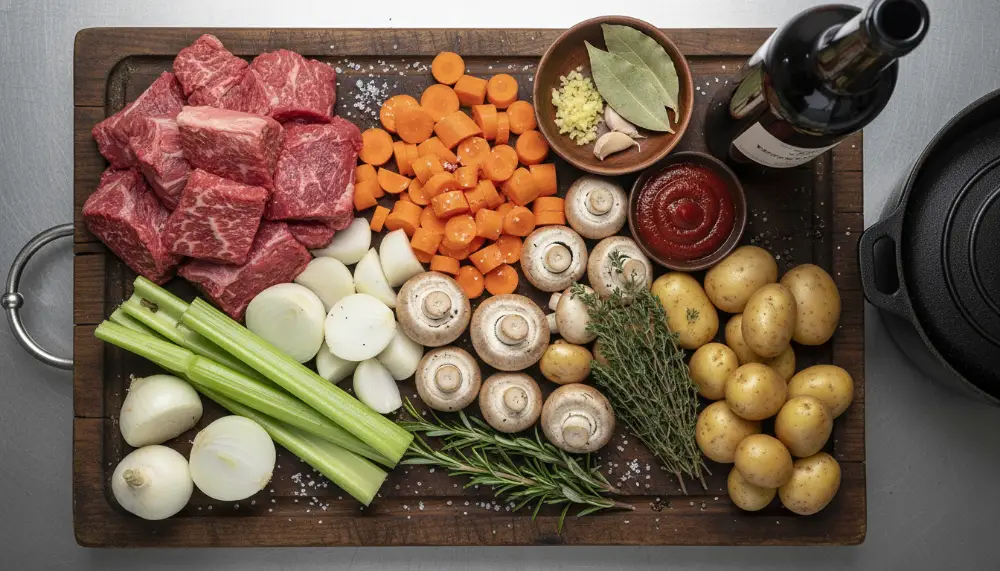
Selecting the Best Ingredients for Success
To make the best Slow Cooker Beef Stew, you must start with the right ingredients. Here is a breakdown of what makes a difference:
The Beef: Choose Chuck Roast
Avoid “stew meat” pre-cut packages if possible. These are often a mix of different cuts that cook at different rates. Instead, buy a whole beef chuck roast and cut it into uniform cubes yourself. Chuck has the ideal ratio of fat and connective tissue needed for a long braise. For precision prep, the Cuisinart 8 Cup Food Processor is a meal prep essential that can help you quickly slice your vegetables to match the size of your beef cubes.
The Aromatics and Vegetables
Root vegetables are the heroes of Slow Cooker Beef Stew. Yukon Gold potatoes are preferred over Russets because they hold their shape better and do not become grainy. Carrots and celery provide the base sweetness and savory notes. For those who want to level up their vegetable game, roasting your aromatics beforehand in a Cosori 9-in-1 TurboBlaze Air Fryer 6 Qt can add an extra layer of caramelized flavor before they even hit the slow cooker.
Building Flavor Without Pork or Alcohol
Many traditional recipes call for red wine or bacon for depth, but you can achieve even better results without them. The secret lies in acidity and umami. Using balsamic vinegar or pomegranate molasses provides the necessary brightness that wine usually offers. For that deep savory punch, tomato paste and a high-quality beef broth are your best friends. If you need to emulsify a special herb paste or thickener, the Ninja BN751 Professional Plus DUO Blender is perfect for creating smooth bases for your stew liquids.
Professional Nutritional Breakdown
A standard serving of Slow Cooker Beef Stew is a nutritional powerhouse. It is high in bioavailable iron, zinc, and B-vitamins. Below is a detailed look at the nutritional profile per 1.5 cup serving:
| Nutrient | Average Amount |
|---|---|
| Calories | 330 kcal |
| Protein | 34g |
| Total Fat | 11g |
| Carbohydrates | 26g |
| Dietary Fiber | 4g |
Chef Variations for the Adventurous Palette
While the classic version is hard to beat, you can take your Slow Cooker Beef Stew in several global directions:
- Moroccan Style: Add cumin, cinnamon, and dried apricots. The sweetness of the fruit pairs perfectly with the beef.
- Asian Fusion: Use soy sauce instead of salt and add fresh ginger and star anise for a fragrant, savory profile.
- Latin Influence: Incorporate fire-roasted tomatoes and chopped mild chilies for a robust, smoky flavor.
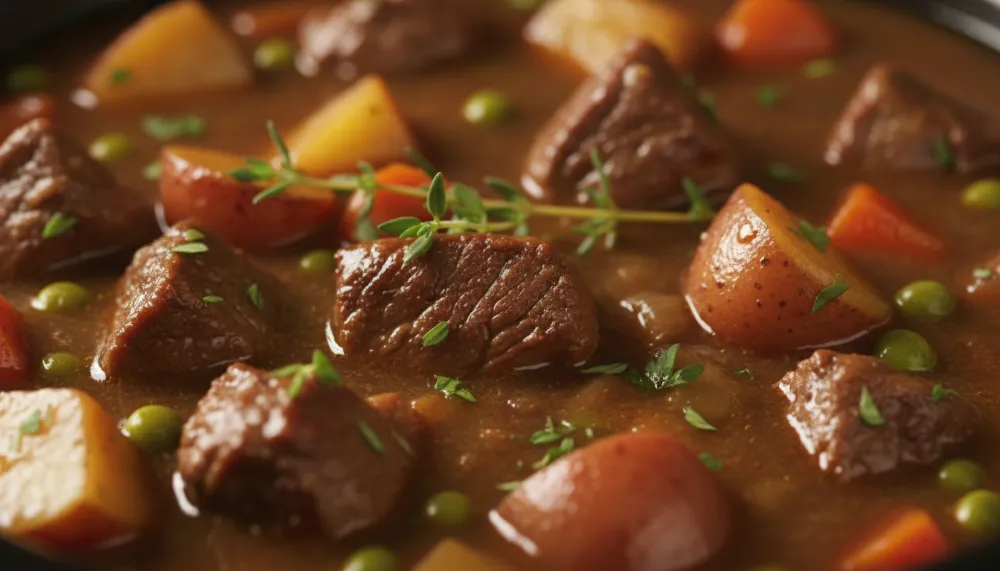
The Maillard Reaction: Why Searing Matters
One of the biggest mistakes people make with Slow Cooker Beef Stew is skipping the sear. Searing the beef creates the Maillard reaction, a chemical reaction between amino acids and reducing sugars that gives browned food its distinctive flavor. Without this step, your stew will lack complexity and the meat will have a gray, boiled appearance. Always sear in batches to ensure the meat browns rather than steams.
Storage and Meal Prep Strategy
Slow Cooker Beef Stew is even better the next day as the flavors have more time to meld. For efficient storage, use the Rubbermaid Brilliance Glass Storage Set of 9, which is leak-proof and perfect for reheating. If you are making a massive batch to last through the month, consider using the FoodSaver Vacuum Sealer Machine to prevent freezer burn and keep your stew tasting fresh for months.
Common Pitfalls to Avoid
- Overcrowding the Pan: When searing, give the beef room. If the pan is too full, the temperature drops and the meat releases moisture, steaming rather than browning.
- Adding Delicate Veggies Too Early: If you love peas or spinach in your stew, add them in the last 15 minutes of cooking. Adding them too early will result in a mushy texture and loss of color.
- Too Much Liquid: Remember that vegetables release their own water during the cooking process. Your ingredients do not need to be completely submerged in broth, about 3/4 of the way is perfect for a thick, rich gravy.