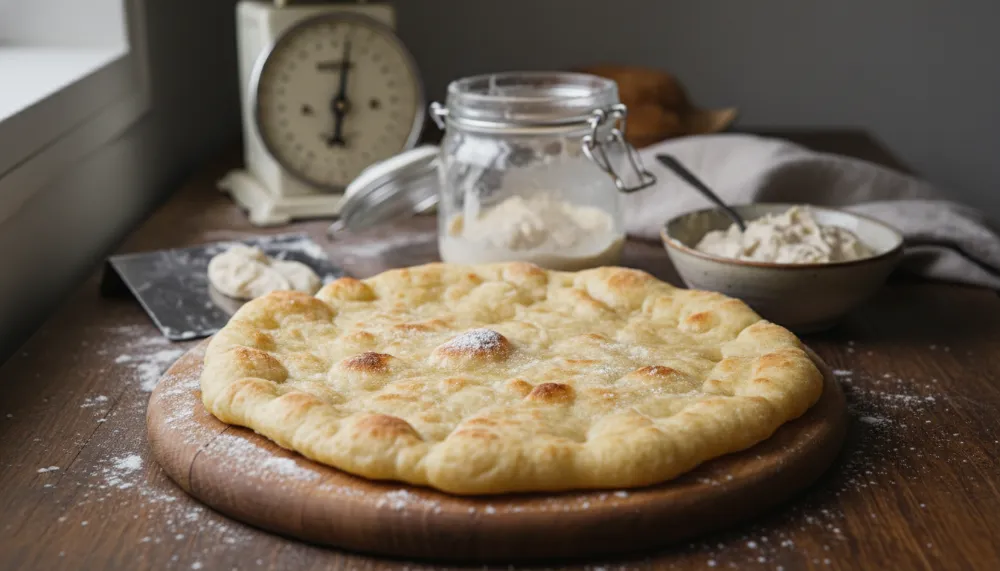
Stop pouring your hard-earned starter down the drain without understanding the biological rhythm of your culture. If your discard recipes are consistently flat, overly sour, or gummy, you are likely falling victim to the trap of premature discarding before the yeast has reached its peak.
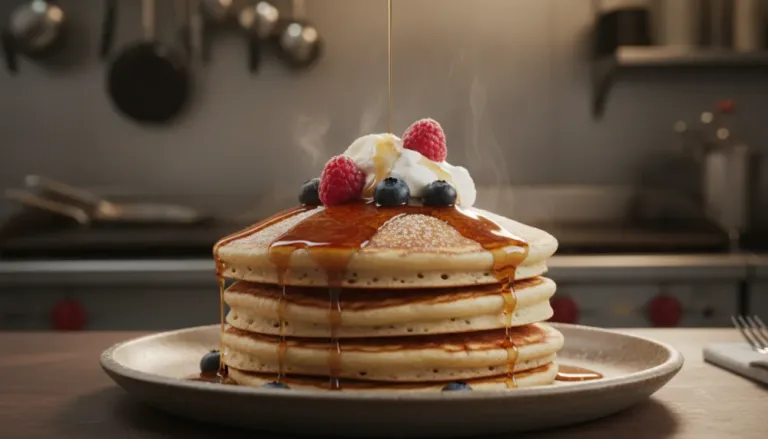
Savory Beef and Scallion Sourdough Pancakes
Ingredients
- 1 cup Sourdough discard (unfed)
- 1/2 cup Cooked ground beef, finely crumbled
- 3 Scallions, thinly sliced
- 1 teaspoon Soy sauce (for depth)
- 1/4 teaspoon Toasted sesame oil
- 2 tablespoons Olive oil for frying
Instructions
- 1 Place your sourdough discard in a medium mixing bowl and whisk until smooth.
- 2 Fold in the crumbled beef, sliced scallions, soy sauce, and sesame oil until evenly distributed.
- 3 Heat olive oil in a skillet over medium-high heat.
- 4 Scoop 2-tablespoon portions of the batter into the hot pan, flattening slightly with a spatula.
- 5 Fry for 3 minutes per side until deeply golden and crispy on the edges.
The Science of the Sourdough Peak: Why Timing Is Everything
The most common error in the world of home fermentation is discarding and refeeding based on the clock rather than the culture’s biological state. Most beginners follow a rigid 24-hour schedule, ignoring the temperature of their kitchen or the activity level of the yeast. If you discard a portion of your starter before it has reached its full height, known as the peak, you are effectively diluting the microbial colony. Over time, this cumulative dilution weakens the yeast population to the point where it can no longer leaven a loaf or provide the structural integrity needed for discard recipes. Professionals wait until the starter has doubled or tripled in volume and just begins to show a slight recession at the top, indicating that the microbes have consumed the available sugars and are at their most concentrated.
When you use “immature” discard, you are dealing with a mixture that is high in enzyme activity but low in structural strength. This leads to the infamous gummy texture found in many beginner sourdough brownies or muffins. To avoid this, observe your starter, look for the domed top and the presence of large, vibrant bubbles. Using a Cuisinart 8 Cup Food Processor can help you quickly prep additional ingredients like scallions or cooked beef to incorporate into your discard once it hits that perfect stage of fermentation.
Historical Origins: From Ancient Egypt to the Gold Rush
Sourdough is not merely a trend, it is the foundational method of leavening bread for humanity. Traced back to Ancient Egypt around 3000 BCE, wild yeast was first harnessed in grain slurries, providing a reliable source of nutrition and preservation. In the harsh environments of early Switzerland, dating back to 3600 BCE, similar fermentation practices were utilized to make grains more digestible and palatable for ancient civilizations.
The term “discard” itself carries a weight of cultural history. During the 1849 California Gold Rush, miners became so synonymous with their fermented starters that they were nicknamed “sourdoughs.” These prospectors carried their starters in pouches near their bodies to maintain warmth against the Sierra Nevada cold. Because flour was incredibly expensive and difficult to transport, wasting any part of the starter was unthinkable. This gave rise to the tradition of sourdough discard recipes, specifically pancakes and fried doughs, which allowed miners to utilize every gram of fermented flour without needing the starter to be at full leavening strength for a high-rising loaf of bread.
Nutritional Superiority: Beyond the Tangy Flavor
Sourdough discard is far more than just leftover flour and water. It is a pre-fermented powerhouse that offers significant nutritional advantages over standard unfermented batter. One of the most important aspects is the breakdown of phytic acid. Found in the hull of grains, phytic acid is an anti-nutrient that binds to minerals like iron, zinc, and magnesium, preventing your body from absorbing them. The lactic acid bacteria in sourdough discard neutralize this acid, making the minerals in your flour significantly more bioavailable.
Furthermore, the long fermentation process allows bacteria to pre-digest much of the gluten and complex starches. This is why many individuals with mild sensitivities find sourdough products easier on their digestive systems. While the live bacteria are killed during the baking process, the remains of the fermentation, including the prebiotic fibers, serve as essential fuel for your own gut microbiome. For those looking to maximize texture, using a Cosori 9-in-1 TurboBlaze Air Fryer 6 Qt to finish your discard crackers or croutons ensures a perfectly crisp exterior while maintaining those nutritional benefits.
Professional Savory Variations (No Pork)
Chefs often use discard to provide a rich, umami-laden base for savory dishes. Since we are avoiding pork, we look toward beef and chicken to provide that hearty bite. A popular professional technique is to incorporate aged cheeses like extra-sharp cheddar or parmesan into the batter. The acidity of the sourdough discard acts as a flavor multiplier for the cheese, making a small amount taste much more robust.
Another excellent option is the creation of beef and herb empanadas. Using the discard to replace a portion of the flour and liquid in a traditional pastry dough creates a flaky, tangy crust that pairs perfectly with seasoned ground beef and cumin. For a smoother texture in your dipping sauces, such as a tahini-harissa blend to serve alongside these empanadas, the Ninja BN751 Professional Plus DUO Blender is an essential kitchen tool, ensuring your sauces are restaurant-quality every time.
Beef & Scallion Power: A Staple Variation
Incorporating finely minced beef into your sourdough discard pancakes, as seen in our featured recipe, provides a high-protein breakfast or lunch that stays with you. The scallions provide a sharp contrast to the deep, fermented notes of the flour. To achieve the best results, ensure your beef is cooked and drained of excess fat before adding it to the batter to prevent the pancakes from becoming soggy.
Sweet and Gourmet Variations (No Alcohol)
When working with sweet recipes, the sour notes of the discard provide a sophisticated balance to sugar and fruit. Lemon and poppy seed muffins are perhaps the best example of this. The natural acidity of the lemon zest is bolstered by the lactic acid in the starter, resulting in a flavor profile that is bright, citrusy, and deeply complex. Unlike standard muffins, sourdough discard versions stay moist for days due to the moisture-retaining properties of fermented flour.
For chocolate lovers, adding discard to brownies or chocolate cake is a game-changer. The fermentation process enhances the cocoa’s natural earthy notes, much like adding a pinch of salt or a splash of coffee does. If you are making a glaze or a filling, remember to avoid alcohol-based extracts in high quantities, opting instead for fruit reductions or high-quality fruit juices to provide flavor without the need for wine or spirits.
Troubleshooting Your Discard: Texture and Strength
If your discard recipes are coming out too dense, it may be because your discard is too old. While discard can be kept in the refrigerator for up to two weeks, it becomes increasingly acidic over time. This high acidity can actually break down the gluten structure in your recipe, leading to a “melting” effect or a flat bake. For recipes that require some rise, like biscuits or cakes, use discard that is no more than 3 to 5 days old.
On the other hand, if your discard is very thin, you may be over-hydrating your starter. A 1:1 ratio of flour to water by weight is the standard, but beginners often measure by volume, which can lead to a starter that is too watery. Always aim for a thick, pancake-batter consistency. This ensures that when you add the discard to a recipe, you are adding substance and flavor, not just liquid. For perfectly portioned ingredients, the Cuisinart 8 Cup Food Processor is excellent for pulsing nuts or dried fruits to the exact size needed to complement the texture of your discard bakes.