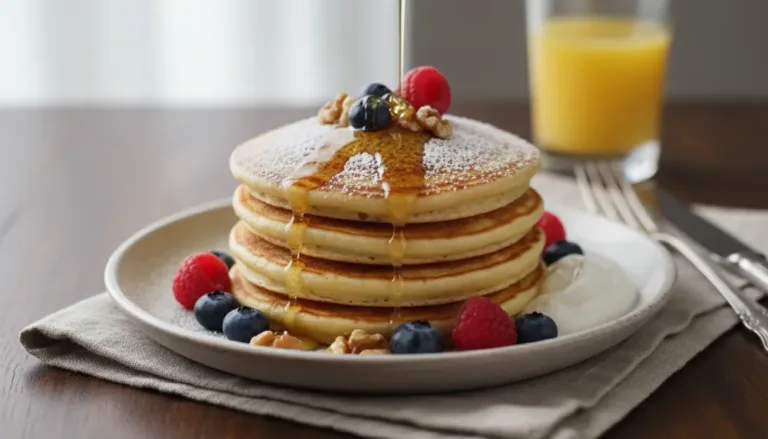
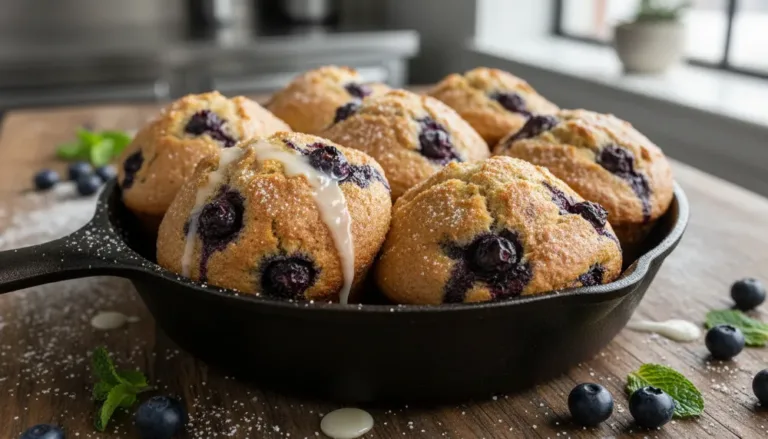
Experience the peak of summer flavors with these incredibly light, buttery Strawberry Cream Scones that pair sun-ripened fruit with a rich, velvety crumb. This recipe creates a professional-grade pastry that is crisp on the outside and tender on the inside, making it the perfect centerpiece for any morning gathering.

Strawberry Cream Scones
Ingredients
- 1 3 cups All-purpose flour (plus extra for dusting)
- 2 1/2 cup Granulated sugar
- 3 1 tablespoon Baking powder
- 4 1/2 teaspoon Salt
- 5 3/4 cup Unsalted butter (cold and cubed)
- 6 1 cup Fresh strawberries (hulled and chopped)
- 7 1 cup Heavy cream (chilled)
- 8 1 teaspoon Vanilla extract
Instructions
- 1 Preheat your oven to 400°F (200°C) and line a baking sheet with parchment paper.
- 2 In a large bowl, whisk together the flour, sugar, baking powder, and salt until well combined.
- 3 Add the cold, cubed butter to the dry ingredients. Use a pastry cutter or your fingers to work the butter in until the mixture resembles coarse crumbs.
- 4 Gently fold in the chopped strawberries, ensuring they are coated in the flour mixture to prevent sticking.
- 5 Mix the vanilla extract into the heavy cream, then pour the cream into the bowl. Stir gently until a soft dough forms.
- 6 Turn the dough onto a floured surface and pat into a 1-inch thick circle. Cut into 8 wedges and place on the baking sheet.
- 7 Bake for 18-22 minutes until golden brown. Serve warm with extra cream if desired.
The Historical Journey of the Scone
To truly appreciate the Strawberry Cream Scone, one must travel back through centuries of European culinary history. The story begins in the early 1500s in Scotland, where the scone was born as a “bannock,” a simple flatbread made of oats and cooked on a griddle. This early iteration was a far cry from the fluffy, oven-baked treats we enjoy today, but it laid the foundation for a global obsession. The name itself is believed to derive from the Dutch word ‘schoonbrot,’ which translates to ‘beautiful bread,’ reflecting the high regard in which these quick breads were held.
As the centuries progressed, the introduction of baking powder in the mid-19th century transformed the scone from a dense griddle cake into the light, leavened pastry that became a staple of the British diet. This evolution coincided perfectly with the rise of the English “Cream Tea.” While the combination of bread and cream traces its roots back to the monks of Tavistock Abbey in Devon around 997 AD, it wasn’t until the Victorian era that the scone became the star of the show. During this time, the tourism boom in South West England turned the simple act of serving tea with scones, clotted cream, and strawberry jam into a prestigious cultural ritual.

The Royal Pairing: Strawberries and Cream
The marriage of strawberries and cream is perhaps the most iconic flavor profile in the English-speaking world, and its origins are surprisingly royal. Credit for this pairing is traditionally given to Cardinal Thomas Wolsey, the powerful advisor to King Henry VIII. In 1509, Wolsey served fresh strawberries topped with heavy cream at a lavish banquet, a decision that would define British summer flavors for the next five centuries. This combination eventually became the official snack of the Wimbledon tennis tournament, further cementing its status as a symbol of elegance and seasonal freshness. When integrated into a scone, these ingredients create a symphony of textures, the acidity of the berries cutting through the richness of the butter and cream.
The Science of a Professional Scone
Baking the perfect Strawberry Cream Scone is as much about chemistry as it is about taste. The secret to that coveted flakiness lies in the temperature of your fats. When cold butter is cut into flour, it creates tiny pockets of fat. As the scone hits the high heat of the oven, the water in the butter evaporates, creating steam that lifts the dough and forms layers. This is why we recommend using a Cuisinart 8 Cup Food Processor (https://amzn.to/47Nhbg8), which is a meal prep essential for fast chopping and slicing, allowing you to incorporate the butter into the flour without the heat from your hands melting it.
Furthermore, the choice of liquid is crucial. While many scone recipes call for milk or buttermilk, the use of heavy cream provides a higher fat content, which yields a more luxurious, melt-in-your-mouth texture. This fat also helps to coat the flour proteins, inhibiting the development of gluten, which ensures your scones remain tender rather than bread-like. To maintain this delicate balance, you must avoid overworking the dough at all costs. Over-mixing leads to a tough, dense scone that fails to rise properly.
Professional Nutritional Breakdown
Understanding the nutritional profile of your treats allows for a more balanced approach to indulgence. A standard professional-grade Strawberry Cream Scone (approximately 80 to 100g) offers the following average values:
| Nutrient | Average Amount per Scone |
|---|---|
| Calories | 290 – 350 kcal |
| Total Fat | 12g – 15g |
| Carbohydrates | 40g – 45g |
| Sugars | 12g – 15g |
| Protein | 5g – 6g |
| Fiber | 1.5g – 2g |
Key nutritional benefits include the antioxidants found in fresh strawberries, specifically Vitamin C and anthocyanins, which provide anti-inflammatory properties. The calcium from the heavy cream supports bone health, while the complex carbohydrates provide a sustained energy release. For those looking to keep their ingredients as fresh as possible, using a FoodSaver Vacuum Sealer Machine (https://amzn.to/4qWgVnS) is ideal for keeping your bulk flour and sugar fresh longer and preventing freezer burn on frozen strawberries if you choose to bake out of season.

Advanced Flavor Variations
Once you have mastered the classic Strawberry Cream Scone, you can experiment with professional-grade variations that elevate the flavor profile even further:
- Roasted Strawberry & Cream Cheese: For a more intense fruit flavor, try roasting your strawberries in a Cosori 9-in-1 TurboBlaze Air Fryer 6 Qt (https://amzn.to/4hRWmVq) until they are jammy and concentrated. Fold these into the dough along with cold, cubed cream cheese for a tangy, velvety finish.
- Cardamom & Mascarpone: This variation adds a floral depth. Replace 1/4 cup of the butter with mascarpone cheese and add 1 teaspoon of ground cardamom to your dry ingredients. The result is an aromatic, sophisticated pastry.
- Strawberry Rose: Add a few drops of high-quality rose water to your cream base and garnish the finished scones with dried edible rose petals. This garden-inspired version is particularly popular at high-end tea rooms.
- The Strong Flour Method: If you prefer a sturdier scone that can hold up to heavy toppings, use bread flour instead of all-purpose. This creates a taller, more structured scone with a distinct, bread-like crumb.
- Citrus-Vanilla (Fiori di Sicilia): Use a combination of orange zest and a drop of Fiori di Sicilia extract. The citrus notes perfectly complement the natural acidity of the strawberries.
Essential Tools and Storage Tips
Success in the kitchen often depends on having the right equipment. While we focus on scones, having a versatile Ninja BN751 Professional Plus DUO Blender (https://amzn.to/3LCDyNR) is perfect for making fruit purees or thick cream toppings to accompany your baked goods. Its 1000W motor ensures perfectly smooth results every time.
Proper storage is the final step in maintaining the quality of your Strawberry Cream Scones. Scones are best enjoyed the day they are baked, but if you have leftovers, store them in a Rubbermaid Brilliance Glass Storage Set of 9 (https://amzn.to/4oD0YkY). These leak-proof, stackable containers are perfect for meal prep storage and will keep your scones from drying out. To refresh a day-old scone, simply pop it in the oven at 350°F for 5 minutes until warm and slightly crisp.
Mastering the Technique: Pro-Tips
Professional pastry chefs follow a few golden rules that guarantee scone success. First, always weigh your ingredients. Flour is notoriously difficult to measure by volume, and even a small discrepancy can result in a dry scone. Second, handle the dough with a light touch. The more you work it, the more the gluten develops, leading to a tough texture. Third, use a sharp cutter. If you use a dull edge or twist the cutter, you will seal the edges of the dough, preventing the scone from rising to its full potential.
When folding in your strawberries, ensure they are dry. If they are too wet, they will release too much moisture into the dough, making it sticky and difficult to manage. Patting the chopped berries with a paper towel before adding them to the flour mixture is a professional trick that makes a significant difference in the final product. Finally, always brush the tops of your scones with a little extra heavy cream and a sprinkle of sugar before baking to achieve that beautiful, professional golden-brown crust.